Create your custom sustainability policy in minutes — free for a limited time
Get Started →Search type
Countries
Fields
List of Ocean HotSpots
25 Eco Hot Spots
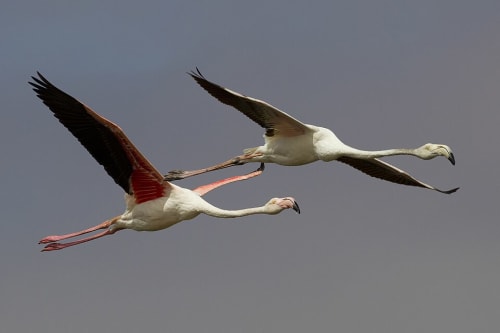
Biodiversity and Industrial Pressures in Walvis Bay, Namibia
Namibia
- #mines
- #ocean
last update:
last week
Environmental degradation of the Saloum river Estuary, Senegal
Senegal
- #ocean
- #biodiversity
last update:
3 weeks ago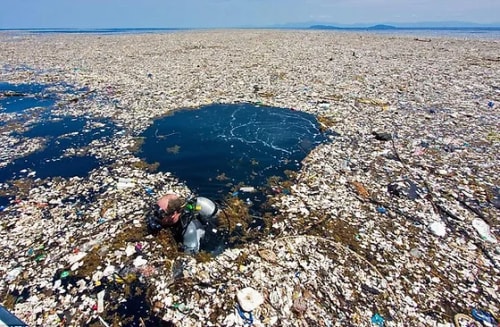
The Great Pacific Garbage Patch
USA
- #climate
- #ocean
last update:
last month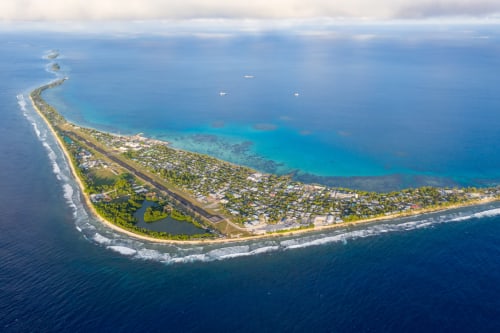
Rising sea levels threaten Tuvalu
Tuvalu
- #sea level rise
- #ocean
last update:
3 months ago
The water level rises in Ho Chi Minh, Vietnam
Vietnam
- #climate
- #ocean
last update:
3 months ago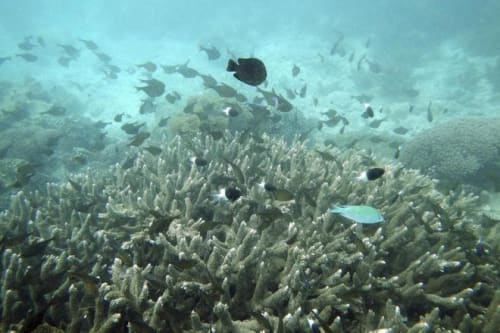
Coral reefs off East Africa are dying
Kenya
- #climate
- #ocean
last update:
3 months ago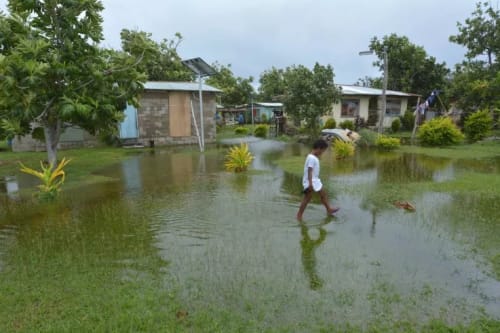
Rising sea levels are forcing Fiji's villagers to relocate
Fiji
- #climate
- #ocean
last update:
3 months ago
Water level rises in Calcutta, India
India
- #climate
- #ocean
last update:
3 months ago
Kiribati risks becoming the first country to lose its land territory
Kiribati
- #climate
- #sea level rise
last update:
3 months ago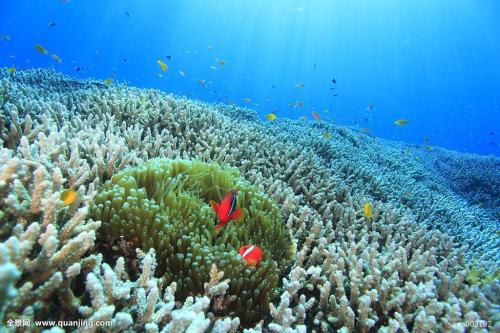
Caribbean coral reefs are dying
USA, Bermuda, Belize, Cuba, Dominican Republic, Haiti, Jamaica
- #coral reefs
- #ocean
last update:
6 months ago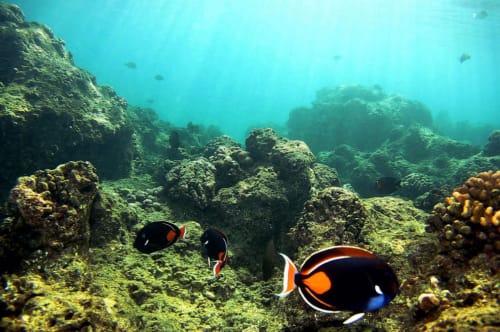
Coral reef degradation in Hawaii, USA
USA
- #coral reefs
- #ocean
last update:
6 months ago
Massive bleaching of the coral on the northern end of the Great Barrier Reef
Australia
- #climate
- #ocean
last update:
7 months ago
Coral reefs dying in Indonesian
Indonesia
- #ocean
- #coral reefs
last update:
7 months ago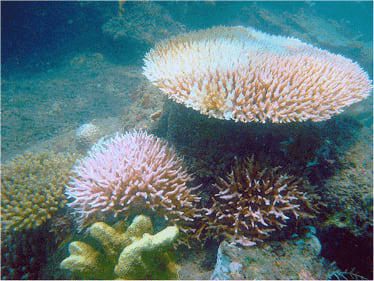
Stressed Coral Reefs in Bolinao, Philippines
Philippines
- #climate
- #plastic pollution
last update:
7 months ago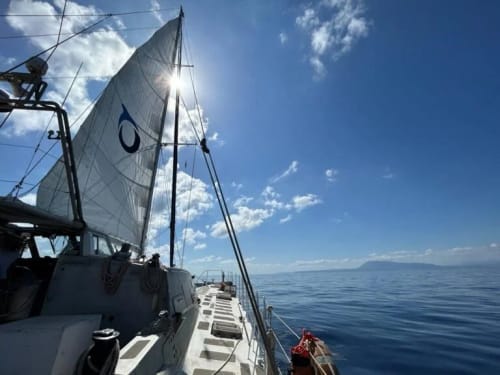
Bottom trawling, UK
United Kingdom
- #ocean
- #biodiversity
last update:
last year
Montara oil spill in timor sea, Australia
Australia
- #oil
- #ocean
last update:
last year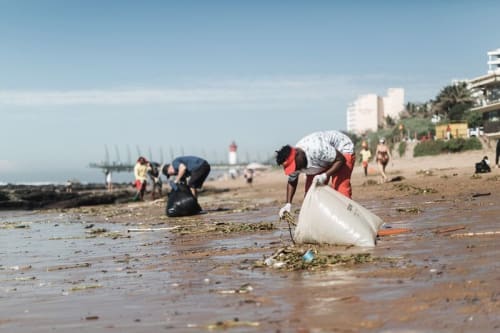
Sewage crisis in Durban, Republic of South Africa
South Africa
- #waste
- #rivers
last update:
last year
Rising sea levels threaten Seychelles
Seychelles
- #climate
- #ocean
last update:
last year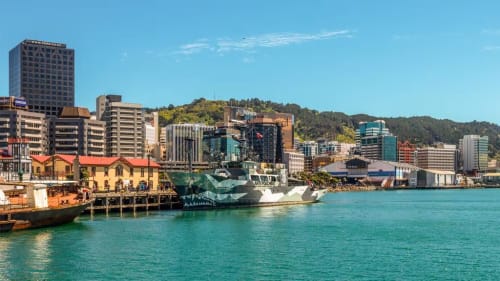
High levels of sediment and toxic contamination in Wellington Harbour, New Zealand
New Zealand
- #toxic waste
- #sewage
last update:
last year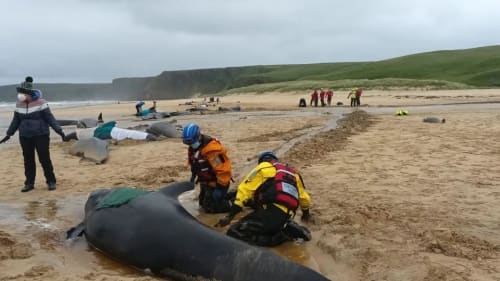
Mass death of pilot whales on the Isle of Lewis, United Kingdom
United Kingdom
- #ocean
- #biodiversity
last update:
2 years ago
Osborne Reef
USA
- #ocean
last update:
2 years ago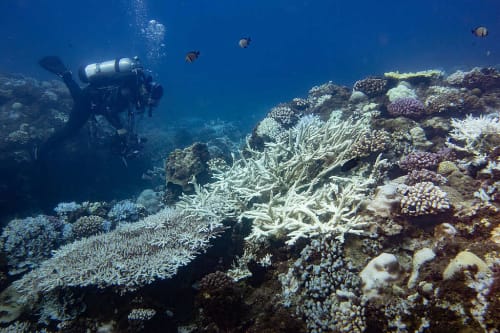
Coral bleaching in Taiwan
Taiwan
- #climate
- #ocean
last update:
2 years ago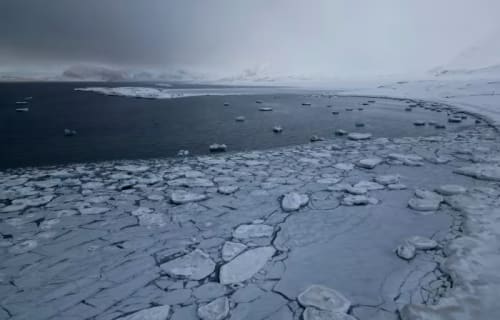
Deep-sea mining of copper and other critical materials, Norway
Norway
- #mines
- #ocean
last update:
2 years ago
Mauritius oil spill in the Indian Ocean
Mauritius
- #ocean
last update:
2 years ago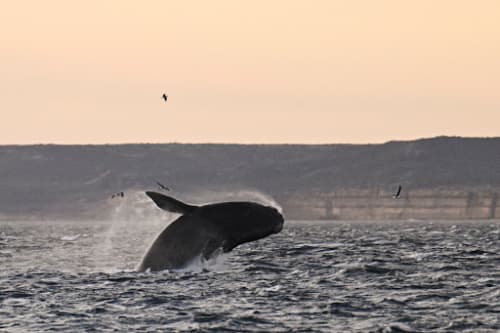
Seismic blasting plans threaten to disrupt whale migration superhighway in North-west Australia
Australia
- #biodiversity
- #ocean
last update:
2 years agoWhat are hotspots in the ocean?
Oceanic Hotspots are the most polluted places in the world's oceans. For many years, man has thrown garbage into the ocean, some of it sinks to the bottom, some decays, and some remains on the surface of the ocean. Under the influence of the sun and water, the trash is ground into 2-3 cm fragments, which accumulate in certain areas of the ocean and pose a real threat to the breathing system and life in general of whales, dolphins, and other marine animals. In addition, fishing in prohibited areas, as well as poaching, has led to the emergence of oceanic fishing hotspots.
How do hotspots appear in the ocean?
     Hotspots of the ocean did not form overnight. It occurred over many years due to reckless human activity and natural factors. Today, Oceanic Hotspots can be found almost anywhere in the world's oceans. Ocean currents in the North Pacific Ocean have formed compact and long-lived accumulations of floating debris called "garbage islands. One of the largest Ocean Hotspots is located between Hawaii and California. The concentration of trash is so high that about 9 percent of fish have plastic residue in their stomachs. Scientists estimate that the fish "eat" nearly 20,000 tons of plastic every year.

     The trash has begun to destroy the natural ecosystem. Crabs, shells, and some species of fish have learned to use trash as a hiding place. The sea spiders Halobates sericeus proliferate on plastic particles, laying their eggs on them. The fauna of the trash island and the nearby clean parts of the ocean are seriously different.

     But what is more frightening to scientists is the growth rate of garbage Ocean Hotspots. They have grown 100 times in 40 years. Today scientists count hundreds of millions of hotspots of the ocean in the world's oceans that already have a solid surface.
Main types of oceanic hotspots
     The development of civilization has led to increased pollution of the world's ocean basins. The situation began to worsen around the middle of the twentieth century, due to the development of the chemical and oil refining industries. Today we can distinguish several types of pollution:

● Physical. Garbage, and especially plastic, which hardly decomposes, is a huge problem for the ecology of the oceans. Millions of tons of plastic waste drift across the surface of the world's oceans, and experts estimate that 80% of this garbage has entered the ocean from the land, and only 20% has been dumped or washed off by ships. Plastic pollution harms more than 250 species of marine animals and birds and releases toxic substances into the water;
● Biological. Oceans pollution with alien bacteria and various microorganisms, as well as organic waste, is steadily disrupting the fragile ecological balance;
● Chemical. Chemicals and heavy metals are used in a wide variety of industries. Together with sewage, they enter the ocean, and in huge quantities. Mercury, which also accumulates in living organisms, and pesticides are especially dangerous. But it is not only large factories that are responsible for chemical pollution of the ocean: a lot of chemicals also get into the water from sewage because we constantly use synthetic detergents, thus creating oceanic hotspots of nitrogen loss.
● Oil. Oil and petroleum products are the main sources of pollution in the world's oceans. Oil gets into the water as a result of man-made disasters, tanker wrecks, and drilling wells, but a lot of oil products are dumped by ordinary marine transport as well. Oil spills kill large numbers of marine animals, fish, and birds, and prevent normal heat exchange between water layers;
● Thermal. Wastewater that is discharged into the oceans by power plants locally raises the temperature of the water, leading to the mass death of creatures unable to survive at such high temperatures. This disrupts food chains and leads to the extinction of many species. At the same time, some species of algae begin to multiply too actively, resulting in water blooms;
● Radioactive. The ocean has long been a dumping ground for radioactive waste. According to studies, there is so much radioactive material in the world's oceans today that there would be enough for 30 Chernobyls.
Why is there a need for increased attention to oceanic hotspots?
     Ocean hotspots are places in the world's oceans where the problem of aquatic pollution is catastrophic or close to disastrous. Even though in the modern world much attention has already been paid to the problem of pollution of the environment, and in particular the problem of pollution of the world's oceans, the situation is still acute and far from being resolved. The garbage thrown into the ocean forms very real floating continents, the most famous of which is the Pacific Garbage Patch, which can be seen even from the ISS. It is a giant accumulation of garbage in the North Pacific Ocean.

     The area of the spot, according to the most optimistic estimates, is at least 700 thousand square kilometers. Two Germany could be located on this slick. And if the problem has already reached such a scale, the rate of pollution of the World Ocean may triple in the next 25 years if no action is taken. This is why it is so essential to draw public attention to the world's ocean hotspots. So that in the future they will not occupy an area larger than the other continents of the Earth.