- green-spots
- water purification
- France
- Cleaning the Seine River in France
Problems
Cleaning the Seine River in France
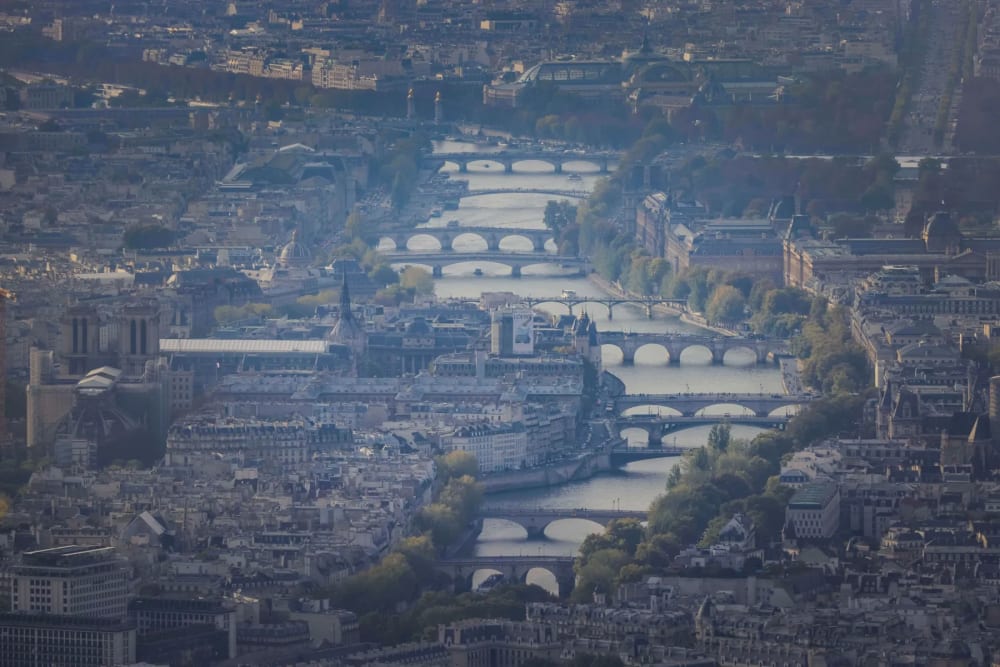
The Seine spans nearly 500 miles, cutting across northern France and providing an anchor point for cities and scenic destinations.

For centuries, the Seine has been a dumping ground for laundry suds, human waste, and animal parts tossed by medieval butchers.

In the 19th century, an updated sewer system helped to sanitize the city by funneling excess hazardous waste into the river, and it’s been that way ever since.

Paris’ sewer system is designed to collect wastewater and rainwater before funneling it through underground channels toward treatment plants. On any ordinary day, it works great, but if there’s an especially large downpour, the system can become overwhelmed. Rather than letting wastewater gurgle up into the streets, sewer gates are opened, and the excess is released into the Seine.

The Seine's water is polluted with high levels of heavy metals, nutrients, sediment, and bacteria. This is mainly caused by wastewater and surface runoff from Paris. Heavy Metals include copper, cadmium, lead, and zinc.

Over time, river pollution resulted in low levels of oxygen and high levels of ammonia. Fish and other animals were driven out while dangerous bacteria like E. coli thrived. By the 1970s, about 60% of the city’s sewage was dumped into the river, and the total number of fish species had dropped to just three.

Cleanup efforts go back to the early 1990s when the European Union passed legislation addressing urban wastewater.
The Greater Paris Sanitation Authority got to work updating the sewer system and, by 2015, had announced a plan to make the Seine safely swimmable in time for the Olympics.
The cleanup was already underway, but the Games provided an additional incentive to accelerate the retrofits of the existing sewer system.

The cleanup effort, known officially as the Swimming Plan, focuses on reducing the amount and frequency of wastewater being dumped into the Seine. An incentive and advertising campaign connected tens of thousands of additional residences and houseboats to the sewer system. Those residences were previously dumping all of their wastewater directly into the river.

The city has also built and buried a massive underground rainwater barrel called a cistern. When a heavy rainfall comes through, the cistern can hold the equivalent of 20 Olympic swimming pools (about 13 million gallons) of excess water, which can later be funneled to treatment plants instead of into the river. The overall goal is to reduce the amount of wastewater flowing into the river so that bacterial growth remains at or below safe levels.

Parisian city planners and officials have spent the last few decades working to undo the damage and restore the river to its former glory. While those plans are complex and ongoing, they have succeeded in restoring the river ecosystem, regaining previously lost biodiversity, and making the Seine safe enough for Olympic competitions.

The Seine cleanup project has already restored much of the river’s biological diversity and environmental quality.
The number of fish species has recovered from a low of three to a more comfortable 32. Soon, people will join the fish back in the river, for the first time in over a century.
Those benefits will continue long after the Olympics are over.
Solutions
Basin of Austerlitz, Paris
Author: The project was financed by the City of Paris, the French State, the Agence de l'eau Seine-Normandie, and the Syndicat interdépartemental pour l'assainissement de l'agglomération parisienne.
The Austerlitz stormwater storage basin in Paris is a massive underground reservoir designed to prevent wastewater overflow into the Seine River during heavy rainfall.

It's a key part of Paris's efforts to improve the Seine's water quality and make it swimmable for the 2024 Olympics and beyond. The basin can hold approximately 50,000 cubic meters of water (about 20 Olympic-sized swimming pools).

The basin acts as a buffer, collecting excess water from the sewage system during storms and then gradually releasing it for treatment at a wastewater plant.

It can hold a substantial amount of water, preventing it from being discharged directly into the Seine, which can cause pollution.

The project is crucial for the 2024 Paris Olympics, as it ensures the Seine will be clean enough for swimming events.

By reducing overflows, the basin contributes to a cleaner Seine, benefiting both the environment and public health.

The basin construction cost around 90 million euros.
Source: https://www.maxfrank.com/intl-en/projects/entries/bassin-dAusterlitz-paris-FR.php
The Surfrider Foundation Europe has monitored and advocated for the cleanup of the Seine River
Author: Surfrider Foundation Europe
The Surfrider Foundation Europe has closely monitored and actively advocated for the cleanup of the Seine River, particularly leading up to the Paris Olympic Games.

The Surfrider Foundation Europe has conducted water quality analyses, sharing results with city officials, and proposing constructive solutions to combat pollution sources like runoff and wastewater.

While the City of Paris has made significant investments to improve the Seine's water quality, Surfrider Europe continues to emphasize the need for more comprehensive action against chemical and plastic pollution, not just bacteriological concerns, to ensure the river's long-term health and safety for future swimmers and the environment.

Surfrider's Involvement with the Seine:
• The foundation conducts its own water quality tests in the Seine.

• The foundation conducts advocacy and Collaboration - they present their findings to the Paris City Council and collaborate with local stakeholders to find solutions for pollution reduction.

• Public Awareness - Surfrider Europe uses campaigns and events, such as the Ocean Initiatives, to raise awareness about the Seine's pollution and the importance of public health for swimmers.

• The organization has highlighted that the city's cleanup efforts focus primarily on bacteriological pollution and calls for greater consideration of chemical and plastic pollution.

Surfrider's Stance acknowledges the significant efforts and investments made to clean the Seine.

However, the foundation believes that current measures are not comprehensive enough and that addressing plastic and chemical pollution is crucial for the river's future.

They advocate for continued action and a holistic approach to ensure a safe and truly healthy river environment for everyone.
Source: https://www.surfrider.eu/learn/news/olympic-and-paralympic-events-in-the-seine-our-purple-flag/
Gallery
7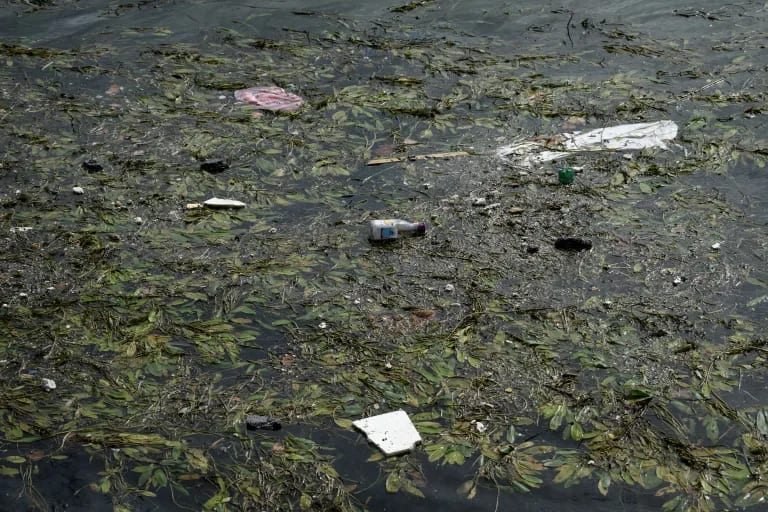


Timelines
1860
In the 19th century, factory and human wastewater were often discharged directly into the Seine.
A revolutionary new Paris sewer system, developed during city planner Baron Haussmann’s seismic urban renewal project throughout the second half of the 19th century, was an engineering triumph for Paris, yet toxic for the Seine’s health.
1923
The Seine was heavily polluted by industrial and residential wastewater, leading to a decline in fish populations.

It was impossible to swim in the Seine, at least legally.
Swimming or bathing in the Seine has been banned since 1923, when the river was deemed unsafe.
1942
The construction of the Achères wastewater treatment plant marked a significant step, but a large portion of sewage still entered the river untreated.
1974
Fish and other animals were driven out while dangerous bacteria like E. coli thrived. By the 1970s, about 60% of the city’s sewage was dumped into the river, and the total number of fish species had dropped to just three.

In fact, by the 1970s, the Seine downstream of Paris was nearly biologically dead.
1991
The tide began to turn for the Seine’s water quality when the European Union passed legislation addressing a main source of water pollution: urban wastewater.
The Greater Paris Sanitation Authority took significant strides to modernize sanitation networks, including major infrastructure investments at the Seine Aval treatment plant responsible for three-quarters of the area’s wastewater.
2000
Early 2000s, the Water Framework Directive prompted significant investments in wastewater treatment and resulted in improvements in water quality.
2005
June
The volunteers have organised the project to remove waste and debris from the River Seine, France, by OSE (Organe de Sauvetage Ecologique, Ecological Rescue Organisation), and are working with SIAAP, an interdepartmental syndicate for cleaning Paris and its suburbs.
2009
Atlantic salmon returned to the Seine after decades of absence, demonstrating the positive impact of improved conditions.
2015
The city launched its plan baignade, or swimming plan, with concrete measures to clean the Seine and Marne, a tributary, and make the Seine swimmable by the 2024 Olympics—a centerpiece of its successful bid to host the games.

The plan would connect more than 23,000 residences, as well as houseboats, to the municipal sewer systems, which previously had dumped untreated wastewater into the rivers.
2023
By the summer of 2023, water safety tests showed the Seine was swimmable about seven days out of every 10. Despite all of the improvements, rainfall can still overwhelm the system and send waste (albeit less waste) into the Seine.

The city hopes to open the river to the public at three designated swimming spots (with more planned) by the summer of 2025, though it’s likely that there will be swimming bans following heavy rains.
2024
Today, the Seine has 36 different fish species.
“This means that water quality has improved quite significantly,” says Sandrine Armirail, director of the Maison de la Pêche et de la Nature.

The maison’s aquariums show off many of the species that inhabit the Seine today, including the emblematic brochet (pike)—a predator with 700 teeth that Armirail calls the “shark of the river.” At the water’s edge, the mansion is restoring the flooded prairies the fish needs as spawning habitat. Outside the building under the quay nest a pair of Eurasian kingfishers, just one example of the increasing numbers of nesting bird species lured back to the Seine.
July 17
To demonstrate the river’s safety, Paris Mayor Anne Hidalgo swam in the river on July 17, ahead of the games.

And tests later that month had shown that the river still contained unsafe levels of bacteria, making the mayor’s swim a potential health risk.

But organizers remain hopeful the river will stay safe enough for the Olympics in 2024 to debut a new era for the historic river.
July 31
Olympic officials delayed the swimming leg of the Triathlon on July 30 after rainfall caused bacterial levels to spike. It was postponed to the following day when the river once again passed water safety tests.

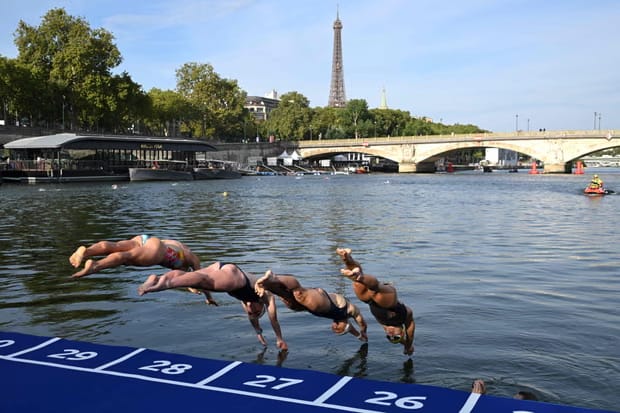
The Seine served as the primary arena for the Opening Ceremonies of the 2024 Paris Olympics and has been hosting several open-water swimming races, including the swimming leg of the triathlon.
2025
Despite improvements, the Seine still experiences occasional sanitary sewer overflows (SSOs) during heavy rainfall, where untreated sewage is released to prevent backflow.

The Seine is now home to 32 fish species near Paris, a significant increase from the three species in the 1970s.