Create your custom sustainability policy in minutes — free for a limited time
Get Started →Search type
Countries
Fields
Green Spots Reforestation in Djibouti
1 Eco Green Spots
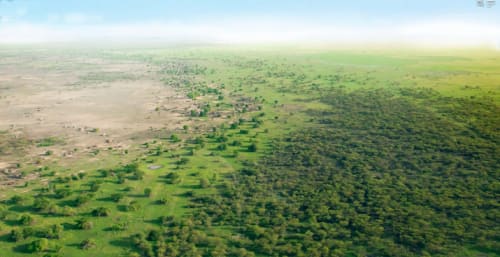
Djibouti, a small but strategically located country in the Horn of Africa, faces extreme aridity, land degradation, and limited natural forest cover. With over 90% of its land classified as desert or semi-desert, reforestation might seem unlikely — yet, it is precisely in these challenging conditions that bold and innovative efforts to restore vegetation and green landscapes are taking root.

The Green Spots featured on this page highlight localized reforestation projects that focus on combating desertification and revitalizing degraded land. From planting drought-resistant trees to establishing community-managed green zones, these initiatives are slowly transforming bare landscapes into pockets of resilience. Projects in areas like Tadjourah and Dikhil demonstrate the power of small-scale, community-led action supported by NGOs, regional governments, and international partners.

Water scarcity is a major obstacle, so reforestation in Djibouti often includes integrated solutions such as water harvesting, soil conservation techniques, and the use of hardy native species like acacia and moringa. These approaches not only improve soil fertility and reduce erosion but also provide shade, food, and fuelwood for local communities. In some areas, trees are being planted to create natural windbreaks that protect crops and livestock.

Reforestation is also becoming part of Djibouti’s national climate adaptation and food security strategies. As part of the African Great Green Wall Initiative and local sustainability plans, green corridors are being developed to reconnect people with nature while building ecological buffers against rising temperatures and extreme weather. Education and awareness campaigns are helping involve schools and youth in the restoration mission.

The reforestation Green Spots in Djibouti may be few but are deeply significant. They showcase human determination to reverse environmental degradation even under the harshest conditions. These green oases of hope serve as models for dryland restoration and demonstrate that, with commitment and innovation, it is possible to regenerate life where once only desert remained.