Create your custom sustainability policy in minutes — free for a limited time
Get Started →Search type
Countries
Fields
Waste Green Spots in Australia
1 Eco Green Spots
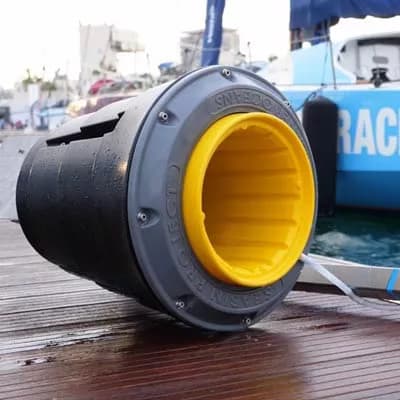
Australia, a nation with vast landscapes and modern infrastructure, faces growing challenges in managing its waste. From plastic pollution to e-waste and construction debris, the country generates over 70 million tonnes of waste annually. However, across urban centers, regional towns, and remote areas, pioneering waste reduction and circular economy projects are reshaping how Australians think about consumption and sustainability.

The Green Spots on this page highlight standout initiatives addressing waste in innovative and impactful ways. These include community-led repair cafes, large-scale recycling plants, composting hubs, and zero-waste shops operating in cities like Sydney, Melbourne, and Brisbane, as well as in Indigenous and rural communities. Whether focused on plastics, textiles, food scraps, or electronics, these projects are turning waste into opportunity.

Australia’s waste sector is increasingly driven by policy reform, local innovation, and grassroots activism. Landmark moves such as the National Waste Policy Action Plan and container deposit schemes are helping to reduce landfill dependency and promote resource recovery. Many Green Spots also align with global goals, like eliminating single-use plastics, adopting product stewardship, and designing for recyclability.

Education and community engagement are key components of successful waste initiatives. From school programs that teach kids to compost, to neighborhood recycling campaigns, awareness is growing around the impact of personal and collective action. Businesses are also stepping up, introducing closed-loop manufacturing and sustainable packaging as part of their environmental commitments.

The Green Spots featured here illustrate Australia’s shift toward a circular economy — one that values materials, reduces environmental harm, and fosters innovation. These projects serve as models for scalable, inclusive, and climate-smart waste solutions. Whether you're a policymaker, entrepreneur, educator, or eco-conscious citizen, this collection offers real-world examples of how Australia is cleaning up — and leading forward.