Create your custom sustainability policy in minutes — free for a limited time
Get Started →Search type
Countries
Fields
Water Generation Green Spots in United States
1 Eco Green Spots
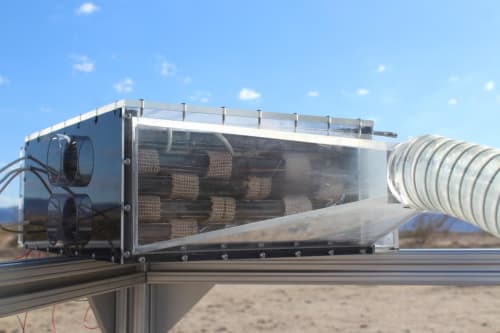
Green Spots spotlight innovative water-generation projects across the United States that harness renewable energy, natural processes, and advanced technology to produce clean water. From atmospheric water harvesting installations to solar-powered purification systems and community rainwater capture efforts, these initiatives demonstrate how local action can address water scarcity, reduce environmental footprints, and build resilience against climate change.
Cutting‑Edge Technologies & Solutions
The featured Green Spots utilize a variety of state‑of‑the‑art technologies. Atmospheric Water Generators (AWGs) condense moisture directly from the air using renewable energy, while solar stills and photocatalytic systems purify contaminated water sources in remote or off‑grid areas. Rainwater harvesting systems and greywater recycling installations collect and reuse water for irrigation, flushing, or even potable needs, providing communities with reliable, decentralized water supplies.
Community Projects & Local Impact
Many water generation projects are community‑driven collaborations between NGOs, educational institutions, municipalities, and residents. These Green Spots often include educational components—workshops, school programs, and public demonstrations—that help raise awareness of water shortages and empower citizens with hands‑on knowledge. The result is not only clean water, but engaged communities that understand and prioritize sustainable water management.
Environmental & Economic Benefits
By tapping into renewable sources—like sunlight, atmospheric moisture, and rainwater—these projects dramatically reduce reliance on energy-intensive, centralized water treatment plants. That yields lower greenhouse‑gas emissions and smaller ecological footprints. Economically, many installations pay off over time through lower operating costs, reduced utility bills, and even job creation in local maintenance, monitoring, and educational roles.
Scaling and Future Outlook
As water scarcity and climate risks intensify, the number of Green Spots for water generation is projected to grow. Innovations are trending toward modular, mobile units and AI‑monitored systems to optimize performance. Partnerships with local governments and private stakeholders aim to scale these pilot projects into city-wide and rural infrastructure solutions, paving the way toward a more distributed, climate-resilient water future.