- hot-spots
- coral reefs
- United Arab Emirates
- Coral Destruction along the Dubai Coastline

Problems
Destruction of Coral Reefs
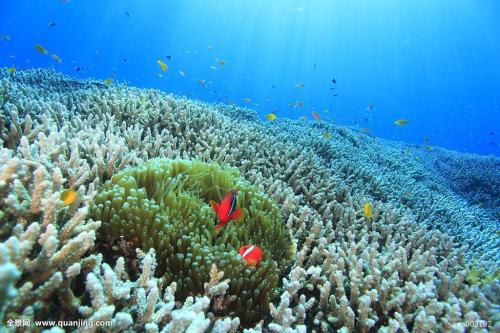
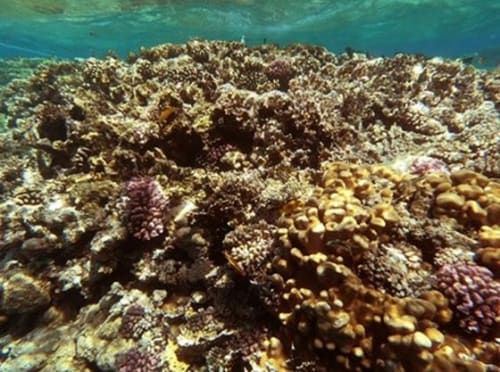
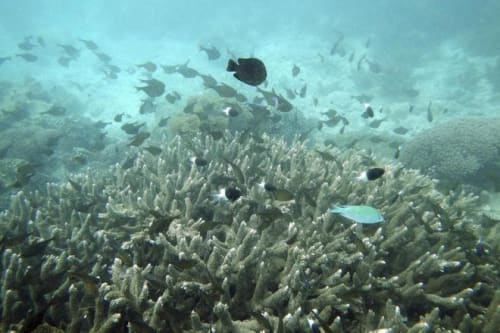
The most pressing environmental issue facing the Dubai coastline is the extensive destruction of coral reefs, particularly the Jebel Ali reef, which has suffered significantly due to aggressive coastal development and land reclamation activities. These developments have led to the burial of coral habitats and increased sedimentation, severely impacting coral cover and biodiversity. Coral reefs are essential as they provide critical habitats for a multitude of marine species, contribute to coastal protection, and support local fisheries. The loss of these ecosystems not only threatens marine biodiversity but also disrupts the ecological balance, impacting the livelihoods of communities dependent on fishing and tourism.
Impact on Marine Ecosystems
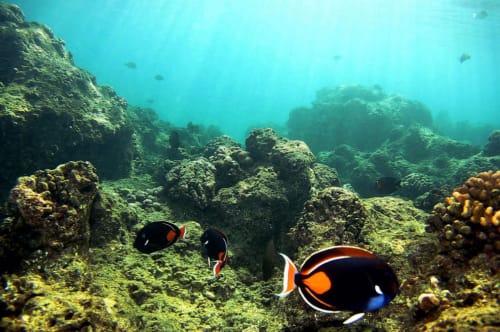
The alteration of natural water flow and increased sedimentation from dredging activities have severely disrupted marine ecosystems along the Dubai coastline. This disruption has detrimental effects on fish communities that rely on healthy coral habitats for breeding and feeding. The decline in coral health leads to reduced fish populations, which are vital for local fisheries and the economy. Furthermore, the introduction of artificial structures, while creating new habitats, cannot fully compensate for the loss of natural ecosystems. The imbalance in marine biodiversity poses long-term risks to the sustainability of marine resources and the overall health of the marine environment.
Climate Change Vulnerabilities
The UAE, including Dubai, faces significant vulnerabilities due to climate change, which exacerbates existing environmental issues. Rising sea levels threaten coastal infrastructure and ecosystems, while increasing ocean temperatures contribute to coral bleaching, making the reefs more susceptible to mortality. The combination of urbanization and climate change creates a precarious situation for the marine environment, as extreme weather events and prolonged heat waves further stress marine ecosystems. The projected increase in sea temperatures and the associated risks of ocean acidification threaten the very foundation of marine biodiversity, which is crucial for the region's ecological and economic stability.
Pollution Pathways
Pollution from urban runoff, industrial discharge, and maritime activities poses a significant threat to the marine environment along the Dubai coastline. Contaminants such as heavy metals, plastics, and nutrients from fertilizers enter the marine ecosystem, leading to water quality degradation and harmful algal blooms. These pollutants not only affect marine life but also pose health risks to local communities that rely on seafood. The accumulation of pollutants in the marine environment can disrupt food chains and lead to bioaccumulation, further threatening the health of both marine species and human populations. Addressing these pollution pathways is critical for restoring and maintaining the health of the coastal and marine ecosystems.
Overfishing and Biodiversity Loss
Overfishing in the waters surrounding Dubai has led to significant declines in fish populations, which are critical for maintaining the balance of marine ecosystems. The demand for seafood, driven by both local consumption and tourism, has resulted in unsustainable fishing practices that threaten the survival of various species. This overexploitation not only diminishes fish stocks but also impacts the broader marine biodiversity, including species that rely on healthy fish populations for their own survival. The loss of these species can have cascading effects on the entire marine food web, further destabilizing the ecosystem.
Solutions
Coral Restoration Projects
Author: UAE Ministry of Climate Change and Environment
The UAE government has initiated coral restoration projects aimed at rehabilitating damaged coral reefs along the Dubai coastline. These projects involve transplanting coral fragments and creating artificial reefs to support marine biodiversity. By enhancing coral resilience and promoting recovery, these efforts aim to restore the ecological balance and support local fisheries.
Source: https://www.moe.gov.ae
Pollution Management Initiatives
Author: Dubai Municipality
Dubai Municipality has implemented pollution management initiatives to reduce urban runoff and industrial discharges into the marine environment. These initiatives include stricter regulations on waste disposal, promoting green infrastructure, and increasing public awareness about pollution prevention. By addressing pollution pathways, the municipality aims to improve water quality and protect marine ecosystems.
Source: https://www.dm.gov.ae
Management of Coastal Development
Implementing comprehensive management strategies to regulate coastal development is essential for protecting the remaining natural reefs and mitigating further damage to marine ecosystems. This includes establishing strict guidelines for land reclamation projects, promoting sustainable construction practices, and ensuring that environmental assessments are conducted prior to any development activities. Additionally, enhancing public awareness and involving local communities in conservation efforts can foster a sense of stewardship towards marine resources.
Coral Restoration Initiatives
Author: UAE Ministry of Climate Change and Environment
The UAE Ministry of Climate Change and Environment has initiated coral restoration programs aimed at rehabilitating damaged coral reefs along the coastline. These initiatives involve transplanting coral fragments onto degraded reef areas and monitoring their growth and health. By fostering coral resilience and enhancing biodiversity, these programs aim to restore the ecological balance of marine ecosystems while also providing educational opportunities for the community.
Pollution Control Measures
Implementing stringent pollution control measures is vital for safeguarding marine ecosystems. This includes enhancing wastewater treatment facilities, regulating industrial discharges, and promoting sustainable agricultural practices to reduce runoff. Additionally, public awareness campaigns aimed at reducing plastic use and encouraging responsible waste disposal can significantly mitigate pollution pathways affecting the coastline.
Gallery
4

Timelines
2023
January 01
The UAE revised its Nationally Determined Contributions under the Paris Agreement, emphasizing the need for sustainable coastal development and marine conservation.
2022
January 01
The UAE launched a national campaign to reduce plastic pollution in marine environments, focusing on public education and community involvement.
January 01
The UAE hosted the COP28 climate conference, emphasizing the importance of marine conservation in climate discussions.
2021
January 01
The UAE government announced new initiatives aimed at enhancing marine biodiversity and protecting coral reefs through restoration projects.
2020
January 01
A study revealed that coral reefs in Abu Dhabi exhibit the highest thresholds for coral bleaching and mortality globally, highlighting the urgent need for conservation efforts.
January 01
The Dubai Sustainable City project was launched, integrating environmental sustainability into urban planning.
2018
January 01
The UAE announced a commitment to protect 30% of its marine and coastal areas by 2030.
2015
January 01
The Dubai Clean Energy Strategy was introduced, aiming to reduce carbon emissions and promote sustainable practices.
2010
January 01
The UAE launched its National Climate Change Plan, focusing on adaptation strategies for vulnerable coastal areas.
2006
January 01
The Dubai Marine Environment Protection Law was enacted to address pollution and protect marine biodiversity.
2002
January 01
Construction commenced on a series of large-scale artificial coastal islands, significantly altering the natural coastline and impacting local coral reefs.
January 01
The Palm Jumeirah project was launched, leading to extensive land reclamation and habitat loss for marine life.
1998
January 01
The Burj Al Arab Island was developed, further altering the natural coastline and impacting local marine ecosystems.
1977
January 01
Construction of the Jebel Ali Port began, marking the start of significant coastal development in Dubai.
References
- UNEP Environmental Hotspots page
- Related atlas / source
- Wikipedia: Dubai
- Official website (Wikidata)
- Wikipedia: Climate change in the United Arab Emirates
- Wikipedia: Land reclamation
- NASA Earth Observatory: Images
- Wikipedia: Sustainable city
- Wikipedia: United Arab Emirates
- Feed: The unsung biodiversity of the Mediterranean Sea needs urgent protection
- Wikipedia: Somalia
- Wikipedia: Abu Dhabi