- hot-spots
- deforestation
- Bolivia
- Deforestation in the Eastern Lowlands of Santa Cruz, Bolivia
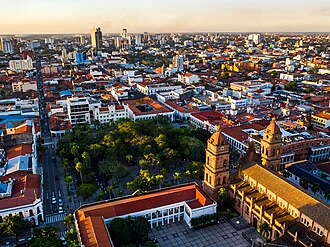
Deforestation in the Eastern Lowlands of Santa Cruz, Bolivia
Bolivia
last update:
3 days agoProblems
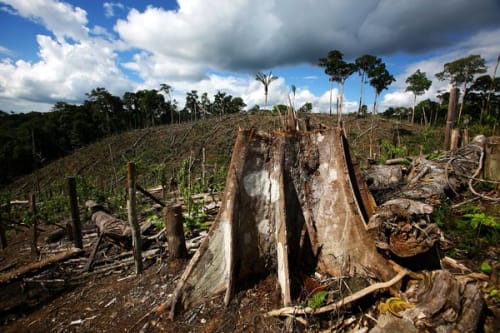
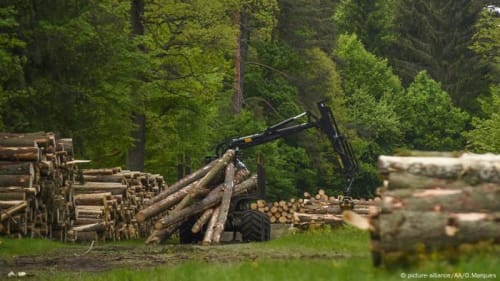
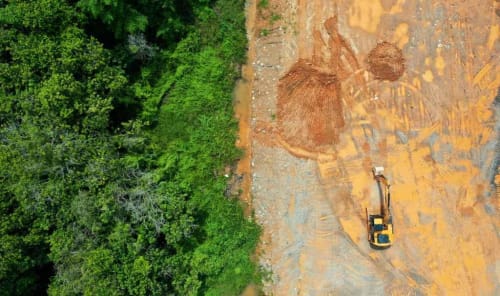
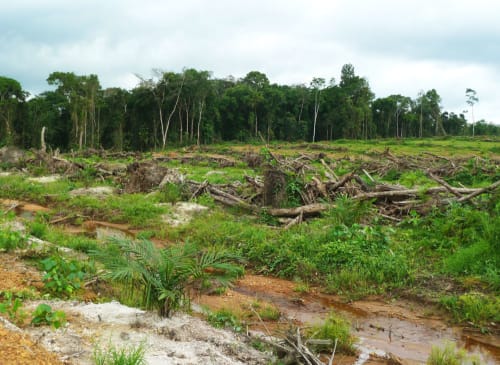
Widespread Deforestation
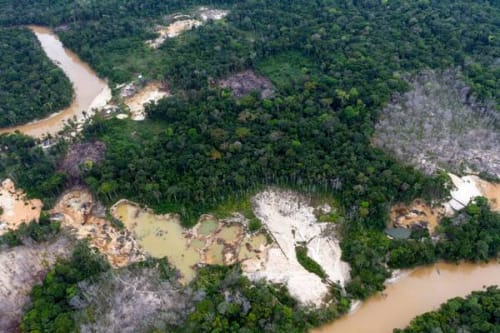
The eastern lowlands of Santa Cruz have undergone severe deforestation, driven largely by agricultural expansion linked to the Tierras Bajas project — formally the World Bank-backed Eastern Lowlands Natural Resource Management and Agricultural Production Project, approved in 1990. The project promoted agricultural production, infrastructure and export-oriented agriculture, particularly soybean farming, alongside land-use planning and natural-resource-management components; agricultural expansion in the area subsequently drove substantial forest conversion. Within the mapped Tierras Bajas hotspot area, satellite imagery shows that by 2003 almost the entire landscape had been converted to cropland and pasture. Santa Cruz department as a whole now accounts for roughly 79% of Bolivia's cumulative forest loss since 1956, according to Fundación Amigos de la Naturaleza (FAN).
Biodiversity Loss
The conversion of forest to agricultural land has reduced and fragmented habitat for native species in the Tierras Bajas area, increasing pressure on local biodiversity. WWF Bolivia and other conservation organizations identify deforestation as a major driver of biodiversity loss across Bolivia's lowlands. Habitat fragmentation makes it harder for wildlife to find food, mates, and shelter, and reduces the resilience of local ecosystems to climate fluctuations and disease outbreaks. This also threatens ecosystem services that matter for nearby communities, including pollination, water purification, and soil fertility.
Soil Degradation and Erosion
Converting forest to agricultural land in the Tierras Bajas area typically involves heavy machinery and increased use of agrochemicals, which can affect soil structure and nutrient content. Research on land-use change in Bolivia's eastern lowlands links agricultural expansion in this region to declining soil quality and erosion. Without forest cover, exposed soils become more susceptible to erosion by wind and water, which can contribute to sedimentation in nearby rivers and streams and affect long-term agricultural productivity.
Water Pollution and Resource Depletion
Agricultural runoff, pesticide and fertilizer use, and changing land cover can affect water quality and availability — a pattern documented more broadly across Bolivia's agricultural lowlands. Specific, hotspot-level data on water depletion or contamination in the Tierras Bajas area is limited, but the general mechanism, intensive agriculture increasing pressure on local water resources, is well established for the wider region.
Climate Change Vulnerability
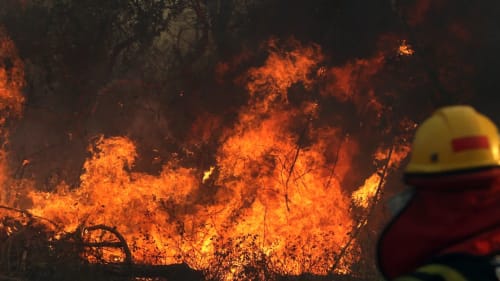
Continued deforestation reduces the region's capacity to sequester carbon and diminishes the ability of local ecosystems to adapt to changing climatic conditions. Agricultural systems in the area rely on stable weather patterns, so this vulnerability is particularly relevant for crop production. Bolivia's eastern lowlands, including Santa Cruz, have also experienced severe wildfire seasons — most notably in 2019 — which further reduced forest cover and carbon storage capacity..
Solutions
Agroforestry Practices
Author: Local Environmental NGOs
Implementing agroforestry practices can help restore degraded lands while maintaining agricultural productivity. By integrating trees into farming systems, these practices enhance biodiversity, improve soil health, and increase resilience to climate change. Agroforestry can provide additional income sources for farmers through the sale of timber, fruits, and other non-timber forest products, while also contributing to carbon sequestration efforts.
Sustainable Water Management
Author: Water Resource Management Authorities
Adopting sustainable water management practices is essential to mitigate water pollution and resource depletion. This includes implementing integrated watershed management, promoting the use of organic farming methods to reduce chemical runoff, and establishing water conservation measures. Community engagement in water resource management can empower local populations to protect their water sources and ensure equitable access.
Reforestation Initiatives
Author: Local NGOs and Community Groups
Efforts are underway to restore the forests of Santa Cruz through reforestation initiatives led by local NGOs and community groups. These initiatives focus on planting native tree species to restore habitats, enhance biodiversity, and sequester carbon. By involving local communities in the reforestation process, these programs aim to foster a sense of stewardship and ensure the long-term sustainability of the restored areas. Such initiatives not only contribute to ecological restoration but also provide economic opportunities for local residents through sustainable forestry practices.
Source: https://www.fan-bo.org/
Sustainable Agriculture Practices
Author: Ministry of Rural Development and Land, Bolivia (Ministerio de Desarrollo Rural y Tierras)
Bolivia's Ministry of Rural Development and Land (Ministerio de Desarrollo Rural y Tierras) is the national body responsible for agricultural and rural-development policy, including promotion of practices such as crop rotation, agroforestry, and reduced-chemical farming. Specific, hotspot-level documentation of ministry programs operating within the Tierras Bajas area of Santa Cruz is limited, but these practices are among the recognized approaches for reducing the environmental impact of agricultural expansion in Bolivia's eastern lowlands.
Source: https://ruralytierras.gob.bo/
Water Resource Management Programs
Author: UNDP
The United Nations Development Programme (UNDP) has supported water and soil management projects in Santa Cruz department, Bolivia. One documented example is the CBA Bolivia project in Moro Moro, which addressed reforestation of riparian areas, water-quality monitoring on the Moro Moro river, and climate-adaptation training for local communities. This specific project was located outside the Tierras Bajas hotspot area itself, but it reflects UNDP's broader engagement with water and land management issues in Santa Cruz department.
Gallery
3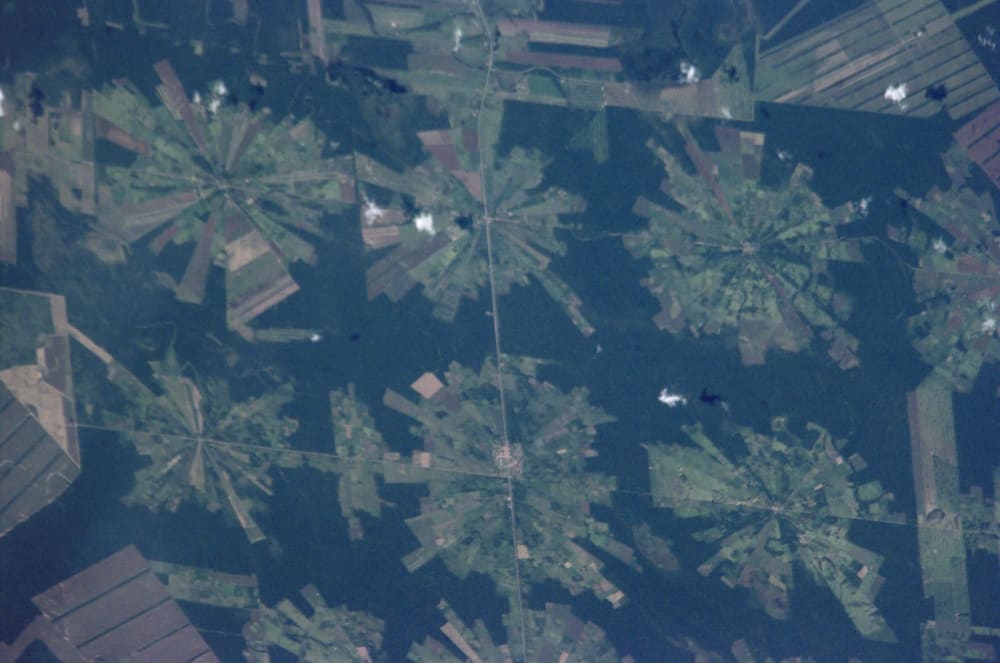

Timelines
2023
January 01
Fundación Amigos de la Naturaleza (FAN) reports that Santa Cruz department accounts for about 79% of Bolivia's cumulative forest loss since 1956 (roughly 6.5 million hectares), confirming it as the country's principal deforestation hotspot.
2019
August 25
Wildfires concentrated in Santa Cruz's Chiquitania region burn more than 950,000 hectares nationally within weeks, more than tripling Bolivia's previous annual deforestation record and severely damaging Chiquitano dry forest habitat.
July 09
Bolivia's government signs Decreto Supremo 3973, authorizing controlled burning for agricultural and livestock use on private and community land in Santa Cruz and Beni departments.
2016
December 31
Bolivia records roughly 471,000 hectares of forest loss for the year, at the time a national deforestation record, with Santa Cruz department the largest contributor.
2015
September 29
Bolivia enacts Ley 741, authorizing the clearing of up to 20 hectares of forest on small properties and community land for agriculture and livestock, further expanding the agricultural frontier nationwide, including in Santa Cruz department.
2003
January 01
Within the mapped Tierras Bajas hotspot area east of Santa Cruz, satellite imagery shows that by 2003 almost the entire landscape had been converted to cropland and pasture. The transformation was concentrated in this agricultural-expansion zone, not the whole Santa Cruz department.
2001
April 16
Astronaut photography from the International Space Station documents a distinctive "pinwheel" pattern of planned agricultural settlements that replaced dry tropical forest in the Tierras Bajas area east of Santa Cruz.
1990
January 01
The World Bank approves the Eastern Lowlands Natural Resource Management and Agricultural Production Project ("Tierras Bajas"), promoting agricultural expansion, including soybean production, alongside land-use planning and natural-resource-management components in Bolivia's eastern lowlands.1986
January 01
UNEP satellite imagery from 1986 shows a dense, largely unbroken forest landscape in the area later mapped as the Santa Cruz hotspot, before large-scale agricultural conversion began.
References
- UNEP Environmental Hotspots page
- World Bank: Eastern Lowlands Project Document
- Wikipedia: Santa Cruz de la Sierra
- Official website (Wikidata)
- Fundacion Amigos de la Naturaleza (FAN)
- WWF Bolivia: Threats to Biodiversity
- NASA Earth Observatory: Tierras Bajas Deforestation
- NASA Earth Observatory: Deforestation in Santa Cruz
- Global Forest Watch: Bolivia
- Mongabay: Bolivia's Soy Deforestation Problem
- UNDP: CBA Bolivia Water and Soil Project
- FAN Bolivia: Socio-Environmental Atlas