Problems
Water Scarcity Due to Mining Operations
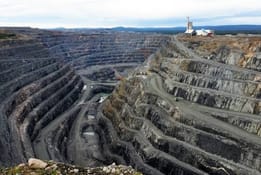
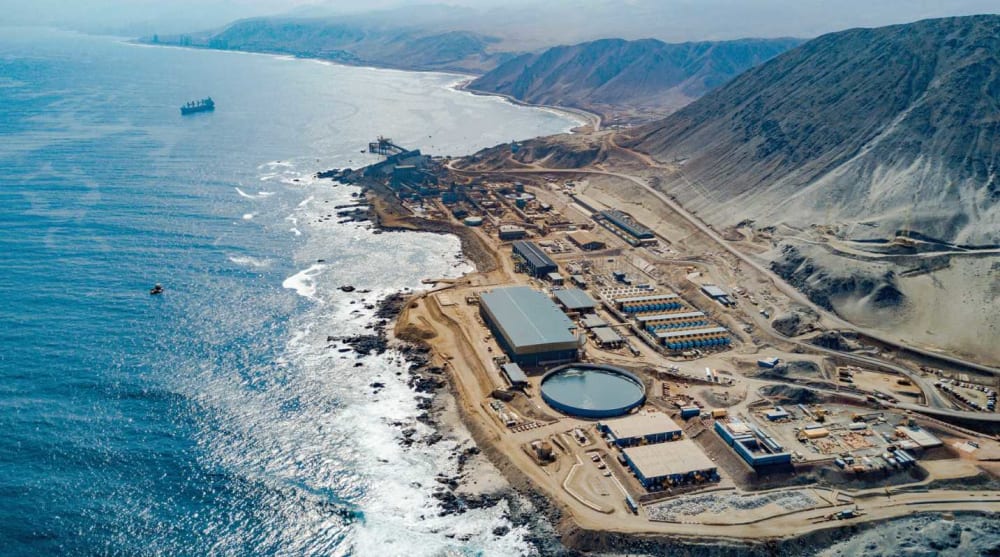
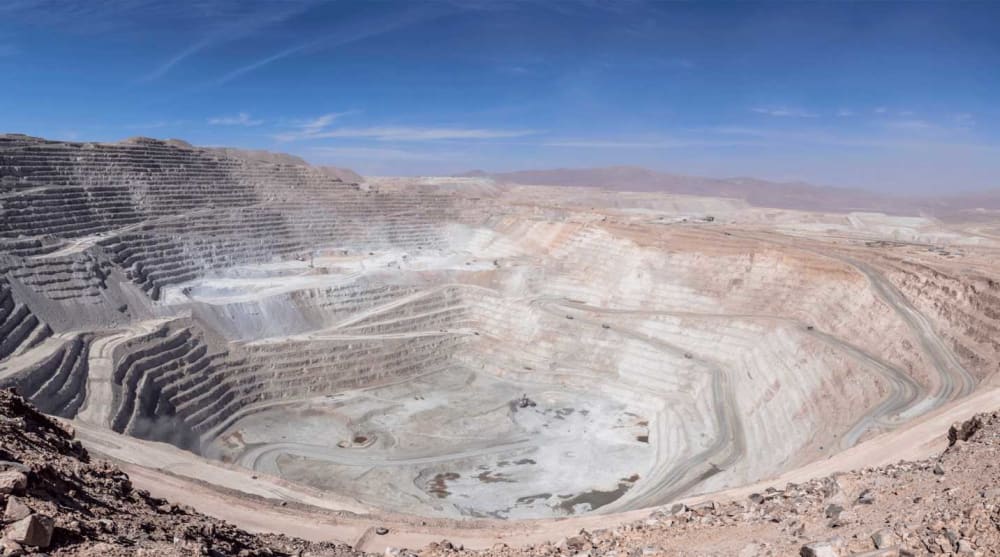
The Escondida Mine, the largest copper mine in the world, is situated in the arid Atacama Desert, a region characterized by extreme dryness and limited water resources. Escondida stopped extracting groundwater from the Punta Negra aquifer in 2017. In 2020, it ended groundwater extraction from high-Andean aquifers for operational supply. BHP says Escondida’s operational water withdrawals have been supplied by desalinated seawater since fiscal year 2020. The extraction of groundwater has led to significant declines in water levels, impacting both the flora and fauna that inhabit this fragile environment.
Impact on Local Ecosystems
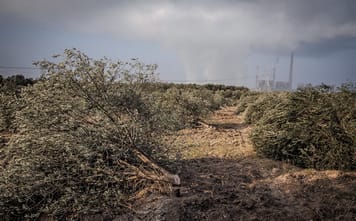
The mining activities at Escondida have resulted in severe ecological consequences, particularly in the Punta Negra salt flat and surrounding wetlands. The extraction of groundwater has caused a dramatic reduction in water levels, leading to the drying out of these wetlands and the loss of vegetation. This habitat degradation has resulted in the disappearance of numerous wildlife species that are native to the region, disrupting the local biodiversity. The loss of these ecosystems not only affects wildlife but also diminishes the natural resilience of the environment, making it more vulnerable to climate change and further human activities.
Pollution and Soil Degradation
Mining operations at Escondida generate significant amounts of waste, including tailings that can contaminate soil and water sources. The redeveloped tailings impoundment aims to mitigate some of these impacts by enhancing water conservation and reducing overall water consumption.
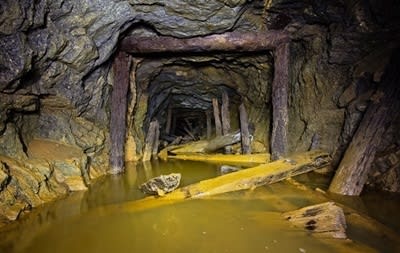
Escondida produces large volumes of mining waste and tailings, creating ongoing requirements for containment, monitoring and water management. Tailings facilities can pose soil- and water-contamination risks if they are inadequately managed. Site-specific evidence should be cited before claiming that contamination has affected local agriculture, livestock or human health.
Social and Economic Impacts on Local Communities
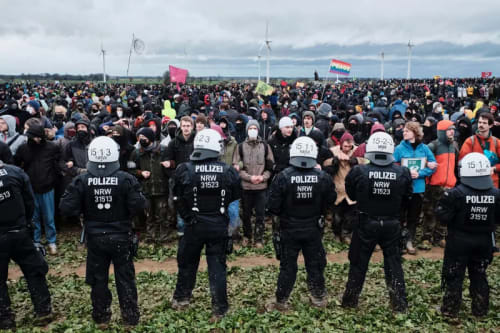
The operations of the Escondida Mine have profound social and economic implications for local communities. While the mine provides employment opportunities, it also leads to conflicts over water rights and resource allocation. The extraction of groundwater has diminished the availability of water for agricultural use, impacting food security and livelihoods for local farmers. Additionally, the environmental degradation caused by mining activities has led to health concerns among residents, who face increased exposure to pollutants. The balance between economic benefits and environmental sustainability remains a contentious issue, highlighting the need for equitable resource management.
Climate Change Vulnerability
Climate change and persistent aridity make water stewardship especially important in northern Chile. Escondida’s transition from groundwater to desalinated seawater has substantially reduced its operational dependence on inland aquifers. Nevertheless, desalination requires significant infrastructure and energy, and the cumulative effects of growing marine-water use along the coast require continued monitoring.
Cultural Heritage Loss
The degradation of Salar de Punta Negra also has cultural significance because Indigenous Atacameño communities maintain historical and cultural relationships with the territory. The Community of Peine and the Council of Atacameño Peoples participated in the 2021 settlement and the governance mechanism established for restoration and monitoring.
Solutions
Integrated Water Resource Management
Author: UN Environment Programme
Implementing integrated water resource management (IWRM) practices can help balance the competing demands for water in mining and local communities. This approach promotes sustainable water use, ensuring that both ecological and human needs are met while minimizing the environmental impact of mining operations.
Source: https://www.unep.org/resources/report/integrated-water-resources-management
Community Engagement and Stakeholder Collaboration
Author: International Council on Mining and Metals
Enhancing community engagement and collaboration with stakeholders can lead to more equitable resource management. By involving local communities in decision-making processes, mining companies can address social and environmental concerns, fostering a more sustainable coexistence.
Pollution Prevention Technologies
Author: World Bank Group
Adopting advanced pollution prevention technologies can significantly reduce the environmental impact of mining operations. These technologies can help minimize waste generation, prevent soil and water contamination, and promote more sustainable mining practices.
Source: https://www.worldbank.org/en/topic/environment/brief/mining-and-pollution
Mitigation and Environmental Restoration
In response to the environmental challenges posed by its operations, Escondida has implemented a series of measures aimed at mitigating its impact. This includes the development of a tailings impoundment system designed to enhance water conservation and reduce water consumption. Additionally, the mine utilizes a 170-km-long underground pipeline to transport copper concentrate to the port of Coloso, minimizing surface disruption. Following a lawsuit by the Chilean State Defense Council, an unprecedented settlement was reached in June 2021, which includes 19 measures to repair and compensate for environmental damages, signaling a commitment to restoring affected ecosystems.
Gallery
3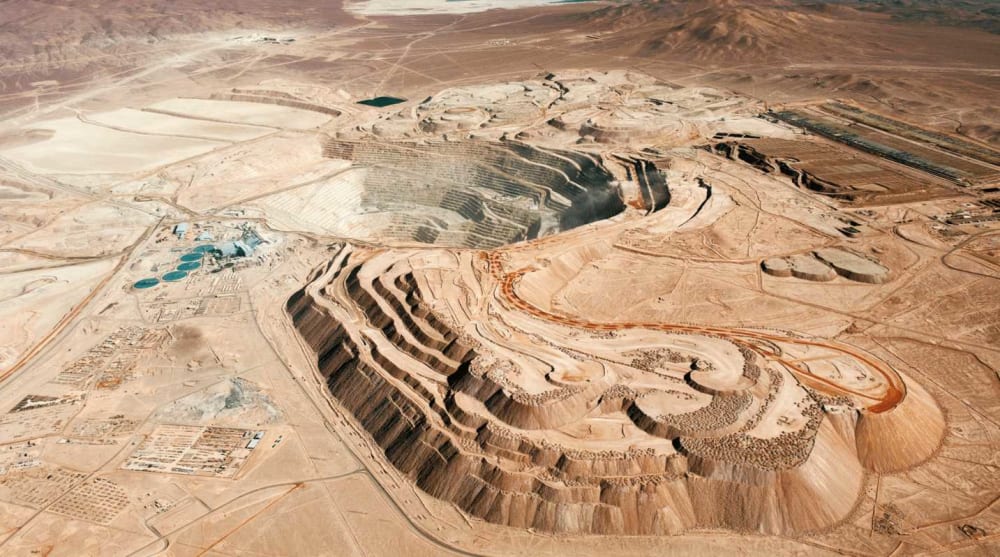
Timelines
2024
December 17
The First Environmental Court upheld the environmental regulator’s sanction concerning the Vegas de Tilopozo.
2022
March 10
Chile’s environmental regulator fined Minera Escondida more than CLP 6.6 billion for environmental damage associated with groundwater extraction affecting the Vegas de Tilopozo ecosystem.
2021
June 01
An environmental court announced a settlement in a lawsuit filed by the Chilean State Defense Council against Minera Escondida, which included 19 measures aimed at repairing environmental damage caused by groundwater extraction.
February 01
A coalition of local farmers and environmentalists filed a lawsuit against the Escondida Mine, claiming violations of water rights and environmental regulations.
2020
November 01
The mine announced new sustainability initiatives aimed at reducing water consumption and improving waste management practices.
January 01
The Escondida Mine began implementing a redeveloped tailings impoundment system to enhance water conservation and reduce overall water consumption in its operations.
2019
September 01
Environmental NGOs launched a campaign to raise awareness about the ecological impacts of the Escondida Mine, advocating for stricter regulations.
January 01
The mine reported a significant increase in water usage due to expanded operations, prompting concerns about its impact on local water resources and ecosystems.
2018
March 01
The Chilean government initiated a review of mining regulations in response to growing environmental concerns and community pressure.
January 01
Studies revealed a dramatic decline in water levels in the Punta Negra salt flat, attributed to groundwater extraction by the Escondida Mine, leading to habitat loss for local wildlife.
2017
May 01
A study published in a scientific journal documented the significant decline in local biodiversity linked to mining activities, prompting further scrutiny of the Escondida Mine.
January 01
The Chilean government initiated investigations into the environmental impacts of mining operations in the Atacama Desert, focusing on water usage and ecological degradation.
2016
January 01
Local communities began to voice concerns over the depletion of water resources due to the mine's operations, leading to protests and calls for sustainable practices.
2015
January 01
The Escondida Mine expanded its operations, increasing copper production but also raising alarms about its environmental footprint and water consumption.
2014
January 01
Research conducted on the ecological impacts of mining in the Atacama Desert highlighted the vulnerability of local ecosystems to water extraction and pollution from mining activities.