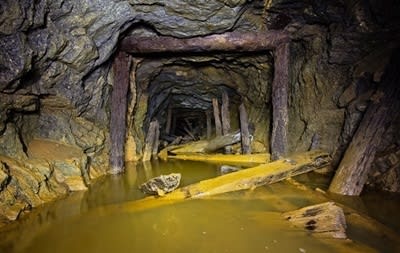
Lithium Mining Pollution in Greenbushes, Australia
Australia
last update:
2 months agoProblems
Greenbushes is one of the world’s most important sources of lithium, a mineral central to electric vehicles and battery storage. As the mine expands, the environmental debate focuses on land clearing, waste-rock storage, water management, dust, biodiversity and rehabilitation. This hotspot examines the trade-off between growing demand for clean-energy minerals and the need for responsible mining.
Pollution from Mining Operations
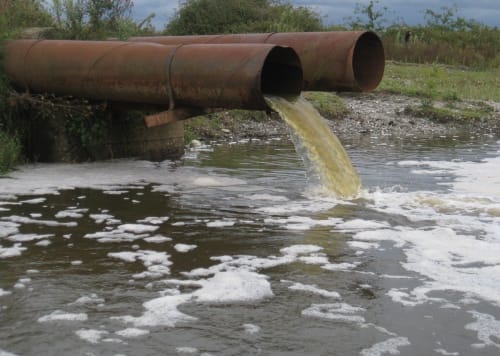
The mining processes at Greenbushes generate waste and pollutants that can contaminate nearby water sources. This pollution poses risks to both terrestrial and aquatic ecosystems, affecting plant and animal life and potentially impacting human health in surrounding communities. Heavy metals and chemicals used in the extraction process can leach into groundwater and surface water, leading to toxic conditions for aquatic organisms and disrupting local fisheries. Additionally, dust generated from mining activities can degrade air quality, posing respiratory health risks to nearby residents. The cumulative impact of these pollutants can lead to long-term ecological damage, making the area less hospitable for wildlife and diminishing the quality of life for local communities.
Socioeconomic Impacts on Local Communities
The expansion of mining operations in Greenbushes has led to socioeconomic changes that can strain local communities. While mining creates jobs and stimulates economic growth, it can also lead to increased living costs and social tensions. The influx of workers can strain local infrastructure and services, leading to challenges in housing, healthcare, and education. Furthermore, the reliance on mining can create economic vulnerability, as fluctuations in global mineral prices can impact job security and local economies. Indigenous communities in the area have expressed concerns about their rights and the preservation of their cultural heritage, which is often threatened by mining activities that disregard traditional land use and sacred sites.
Water Resource Depletion
Mining activities at Greenbushes have raised concerns regarding the depletion of local water resources. The extraction process requires significant amounts of water, which can lead to the over-extraction of aquifers and surface water bodies. This depletion can adversely affect agricultural practices and the availability of clean drinking water for local communities. As water levels drop, the ecological balance of nearby wetlands and rivers may be disrupted, impacting biodiversity and the health of aquatic ecosystems. The competition for water resources between mining operations and local communities can lead to conflicts, highlighting the need for sustainable water management practices in the region.
Impact on Local Climate
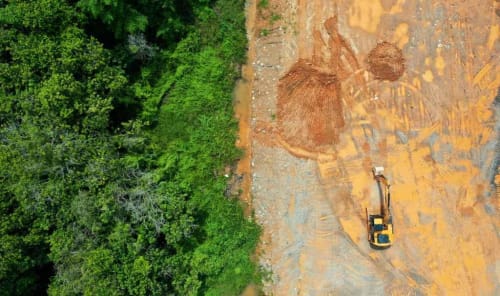
The extensive land clearing and alteration of the landscape due to mining operations at Greenbushes have contributed to localized climate changes. Deforestation reduces the area's ability to regulate temperature and humidity, leading to increased heat and altered rainfall patterns. This disruption can affect local agriculture and the natural water cycle, further stressing the already vulnerable ecosystems. The loss of tree cover diminishes the region's capacity to absorb carbon dioxide, exacerbating climate change impacts. As the climate continues to shift, the resilience of local flora and fauna is further compromised, leading to potential declines in biodiversity.
Lithium Mining Impact on Local Ecosystems
The Greenbushes mine's extensive lithium extraction has led to significant ecological disruption, including deforestation and habitat loss. This mining activity threatens local biodiversity and alters the natural landscape, which is crucial for maintaining ecological balance and supporting native species. The removal of vegetation not only diminishes carbon sequestration capabilities but also disrupts the habitats of numerous endemic species. The mining operations have resulted in soil degradation and erosion, further exacerbating the loss of biodiversity. The unique flora and fauna of the region, many of which are adapted to specific ecological niches, face an increased risk of extinction as their habitats are encroached upon and fragmented by mining activities.
Solutions
Sustainable Mining Practices
Author: Environmental Protection Agency
Implementing sustainable mining practices can significantly mitigate the environmental impacts of lithium extraction. This includes adopting technologies that reduce water usage, minimize waste generation, and enhance land reclamation efforts post-mining. By prioritizing ecological restoration and biodiversity conservation, mining companies can help ensure that local ecosystems are preserved and restored, benefiting both the environment and local communities.
Community Engagement and Rights Protection
Author: Indigenous Rights Organization
Engaging local communities, especially Indigenous groups, in the decision-making processes related to mining operations is crucial. This includes respecting their land rights and cultural heritage, ensuring that their voices are heard in discussions about land use and resource management. By fostering partnerships and promoting equitable benefits from mining activities, companies can help alleviate social tensions and support community development.
End Forest Mining Campaign
Author: Western Australian Forest Alliance
The Western Australian Forest Alliance is advocating to end bauxite mining in the Northern Jarrah Forest and has influenced the government to cease commercial logging of native forests by 2024, aiming to protect critical habitats affected by mining. This campaign highlights the importance of preserving biodiversity and restoring ecological integrity in areas impacted by resource extraction.
Source: https://en.wikipedia.org/wiki/West_Australian_Forest_Alliance
Sustainable Mining Practices Initiative
Author: Minerals Council of Australia
The Minerals Council of Australia promotes sustainable mining practices that minimize environmental impacts and enhance community engagement. This initiative encourages the adoption of technologies that reduce water usage, manage waste effectively, and rehabilitate mined land to restore ecosystems. By prioritizing sustainability, the mining sector can contribute to environmental protection while meeting the growing demand for minerals.
Source: https://www.minerals.org.au/
Gallery
4


Timelines
2023
January 30
The Greenbushes mine announced plans to invest in community development projects as part of their corporate social responsibility efforts.
January 01
The Western Australian government announced plans to end commercial logging of native forests by 2024, a decision influenced by advocacy from environmental groups concerned about the impacts of mining and logging on local ecosystems.
2022
July 01
The Greenbushes mine produced 1.03 million tonnes of spodumene concentrate, solidifying its status as the largest lithium mine in the world and highlighting the growing demand for lithium in renewable energy technologies.
April 10
A comprehensive environmental assessment was conducted, revealing significant pollution levels in nearby water sources attributed to mining activities.
2021
February 14
Local Indigenous communities held a summit to discuss the impacts of mining on their lands and to advocate for their rights.
January 01
The Greenbushes mine was co-operated by Tianqi Lithium and Talison Lithium, marking a significant collaboration between Chinese and Australian companies in the lithium supply chain.
2020
July 22
The mine's operators committed to a new sustainability initiative aimed at reducing water usage and improving waste management practices.
January 01
The Australian government launched a review of environmental regulations concerning mining operations, aiming to strengthen protections for biodiversity and water resources affected by mining activities.
2019
November 05
A coalition of environmental groups filed a lawsuit against the Greenbushes mine for alleged violations of environmental protection laws.
January 01
Australia was recognized as the world's largest producer of lithium, with the Greenbushes mine contributing significantly to the global supply, reflecting the increasing importance of lithium for electric vehicles and energy storage.
2018
March 10
The Western Australian government announced new guidelines for mining operations to mitigate environmental impacts, including water management strategies.
January 01
The Western Australian government initiated a comprehensive environmental assessment of mining operations in the region, focusing on the cumulative impacts of resource extraction on local ecosystems and communities.
2017
January 01
The Greenbushes mine underwent modernization to enhance extraction efficiency and reduce environmental impacts, reflecting the industry's response to growing environmental concerns.
2016
September 20
A study was published detailing the ecological impacts of lithium mining, emphasizing the need for stricter regulations and sustainable practices.
January 01
Community protests against mining expansion in Greenbushes highlighted local concerns regarding environmental degradation and the need for sustainable practices in resource extraction.
2015
January 01
The Western Australian government implemented new regulations aimed at improving environmental management practices in the mining sector, addressing concerns raised by environmental advocacy groups.
2014
May 15
Local protests against the expansion of the Greenbushes mine began, highlighting community concerns over environmental degradation and water resource depletion.
January 01
The Greenbushes mine expanded its operations to meet the rising global demand for lithium, leading to increased scrutiny over its environmental impacts and resource management practices.
2013
January 01
The Australian government launched a national strategy to promote responsible mining practices, focusing on minimizing ecological footprints and enhancing community engagement in mining decisions.
2012
January 01
The Greenbushes mine was recognized for its contributions to the local economy, but concerns over environmental sustainability and community impacts began to emerge prominently.
References
- UNEP Environmental Hotspots page
- Wikipedia: Greenbushes mine
- Official website (Wikidata)
- Wikipedia: Mining in Australia
- Wikipedia: West Australian Forest Alliance
- NASA Earth Observatory: Images
- Wikipedia: Mining in Western Australia
- Wikipedia: Lithium mining in Australia
- Wikipedia: Greenbushes, Western Australia
- Lithium Overview