Problems
Environmental Degradation from Oil Extraction
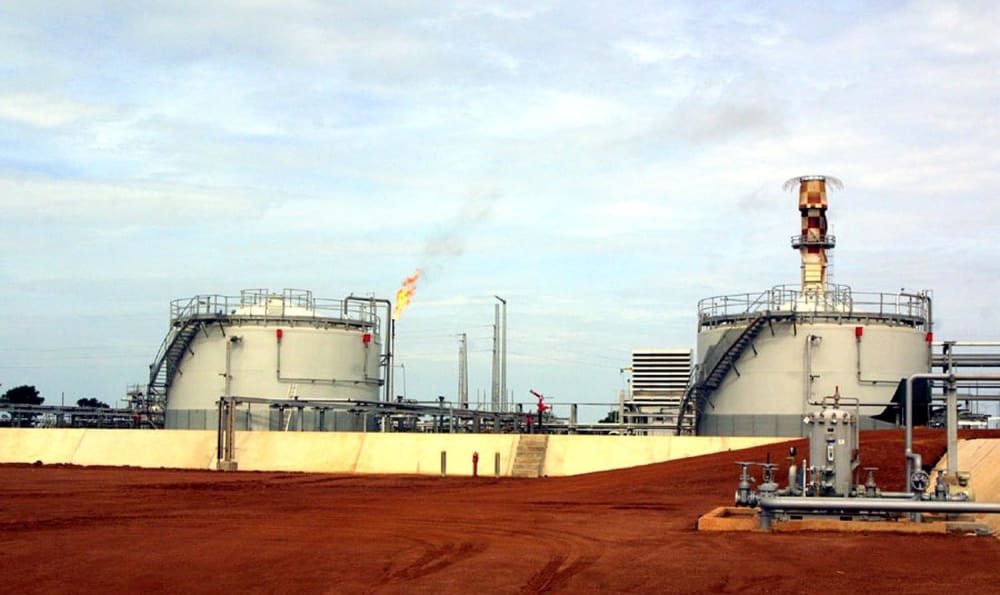
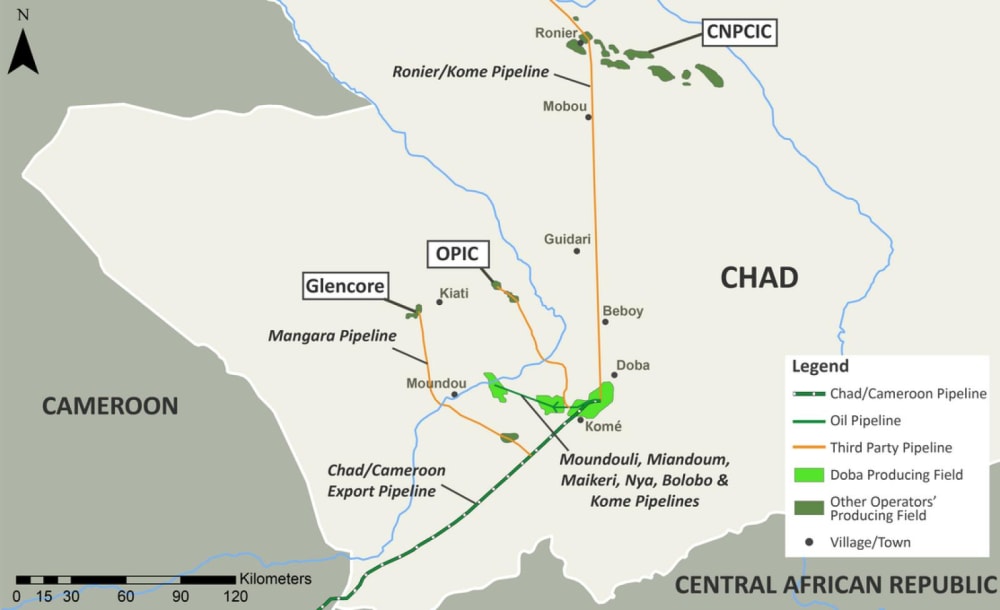
The Doba Oil Fields, part of the Chad Export Project, involved drilling roughly 300 oil wells and constructing a pipeline of about 1,070 kilometers to an offshore terminal near Kribi, Cameroon. The project was officially classified as Category A, meaning it carried potentially significant environmental and social impacts. Original environmental assessments identified risks including physical and economic displacement, effects on farmland, vegetation removal, habitat and biodiversity impacts, oil-spill risks, and public-health and safety concerns. Oilfield construction and operation have caused land disturbance and created continuing risks of soil and water contamination, habitat fragmentation, and accidental spills. Environmental assessments also identified effects on farmland, vegetation, and local communities.
Impact on Agriculture
Oilfield development occupied or restricted access to some agricultural land in the Doba Basin and economically affected farming households, with the World Bank's assessment anticipating the displacement of some households from farmland. Compensation and livelihood-restoration arrangements, along with community development projects, were established to address these effects, although community concerns about the adequacy and distribution of compensation have persisted.
Biodiversity Loss
The Doba Oil Fields are situated in a region with notable biodiversity. Roads, well pads, pipelines, and associated infrastructure built to support oil operations can remove vegetation and fragment habitats. The project's environmental assessment identified potential impacts on biological resources in the area and required measures to avoid, reduce, and monitor those impacts throughout construction and operation.
Water Pollution and Scarcity
Oil extraction and transport create risks of accidental spills and contamination of surface water, groundwater, and soil. Because of these risks, the original project included spill-prevention, emergency-response, and environmental-monitoring requirements; a documented spill at the Kribi marine terminal in January 2007, for instance, triggered activation of the project's spill-response plan. Specific claims of contamination or water scarcity affecting a particular location should be supported by dated monitoring evidence rather than presented as a general, region-wide condition.
Social and Economic Displacement
Oilfield infrastructure has affected land access and agricultural livelihoods for some households in the Doba Basin. This required compensation, livelihood-restoration measures, and community-development projects. Concerns have nevertheless been raised about whether affected households received adequate and lasting benefits, and about the distribution of compensation among communities.
Solutions
Community-Based Resource Management
Implementing community-based resource management strategies can empower local populations to manage their natural resources sustainably. This approach encourages collaboration between oil companies and local communities, ensuring that the rights and needs of the latter are prioritized. By involving local stakeholders in decision-making processes, it is possible to mitigate the negative impacts of oil extraction on agriculture, water resources, and biodiversity.
Environmental Impact Assessments
Conducting thorough environmental impact assessments (EIAs) before initiating oil extraction projects can help identify potential risks and develop strategies to minimize environmental degradation. EIAs should include input from local communities and consider the long-term ecological and social impacts of oil extraction, ensuring that sustainable practices are adopted.
Community-Based Environmental Management
Author: General guidance informed by UNEP
Implementing community-based environmental management practices can empower local populations to take control of their natural resources. This approach promotes sustainable land use and conservation efforts, ensuring that local communities benefit from their environment while mitigating the impacts of oil extraction.
Source: https://www.unep.org
Strengthening Environmental Regulations
Author: General guidance informed by World Bank
Strengthening environmental regulations and enforcement mechanisms is crucial to protect the Doba region from further degradation. This includes establishing stricter guidelines for oil extraction practices and ensuring compliance through regular monitoring and accountability measures.
Source: https://www.worldbank.org
Restoration of Degraded Lands
Author: General recommendation (not tied to a specific organization or report)
Initiatives focused on the restoration of degraded lands can help rehabilitate ecosystems affected by oil extraction. These programs can involve reforestation, soil restoration, and the reintroduction of native species to restore biodiversity and improve the resilience of local ecosystems.
Gallery
4

Timelines
2023
March 23
Chad's president signed a decree nationalizing the 40% interest in the Doba project that Savannah Energy had acquired from ExxonMobil, disputing the sale as a breach of the government's right of pre-emption. Savannah pursued arbitration at the ICC in response.
2022
December 01
ExxonMobil closed the sale of its Chad and Cameroon assets, including its 40% interest in the Doba project and its stake in the Chad-Cameroon pipeline, to Savannah Energy for $407 million.
2014
June 13
Chevron sold its 25% interest in the Doba oil concession and its related Chad-Cameroon pipeline interests to the Republic of Chad for approximately $1.3 billion. The purchase was financed with support from Glencore.
2010
April 22
A second documented oil spill occurred at the offshore transfer site near Kribi, Cameroon, part of a pattern of leaks at the marine terminal that drew renewed attention to spill-response gaps in the project.
2008
September 05
The World Bank ended its involvement in the Chad-Cameroon pipeline project after Chad fully prepaid its outstanding IBRD and IDA loan balances, totaling $65.7 million. The exit followed persistent disagreements between the Bank and the Chadian government over the management of petroleum revenue, not only environmental performance.
2007
January 19
An accidental oil spill occurred at the marine terminal near Kribi, Cameroon, after the terminal's water-evacuation system failed. COTCO activated the project's spill-response plan; Cameroonian NGOs criticized the government's lack of public communication about the incident.
2003
June 01
Commercial oil production began in the Doba oilfields around mid-2003, with pipeline construction completed roughly a year ahead of schedule and the first export cargo loaded that October.
2002
July 17
The World Bank Inspection Panel sent its investigation report to the Board, following complaints filed by Chadian civil-society groups in 2001 and Cameroonian groups (including concerns about the indigenous Bakola people) in 2002. The Panel found Bank management in compliance with several social and environmental policies, but not fully compliant with its policy on Environmental Assessment.
2000
June 01
The World Bank and IFC approved participation in the Chad-Cameroon Petroleum Development and Pipeline Project, and construction began on the pipeline and the Doba-area oilfields.
1999
January 01
The environmental assessment and environmental-management plans for the Chad-Cameroon Petroleum Development and Pipeline Project were publicly disclosed.