- hot-spots
- chemical pollution
- Russian Federation
- One of the Most Polluted Cities on Earth, Karabash, Russia
One of the Most Polluted Cities on Earth, Karabash, Russia
Russian Federation
last update:
3 months agoProblems
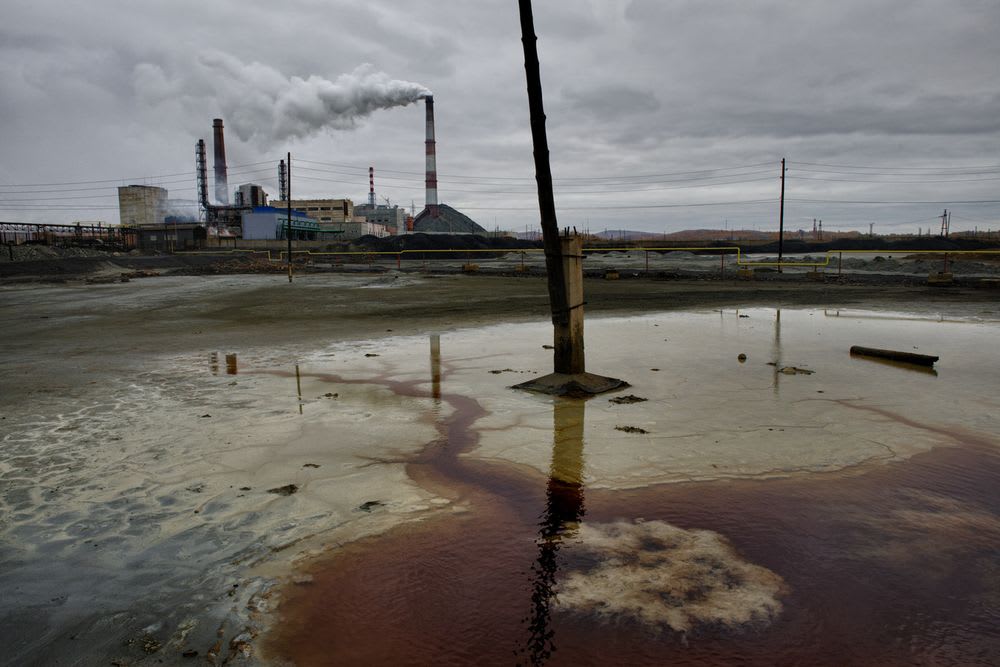
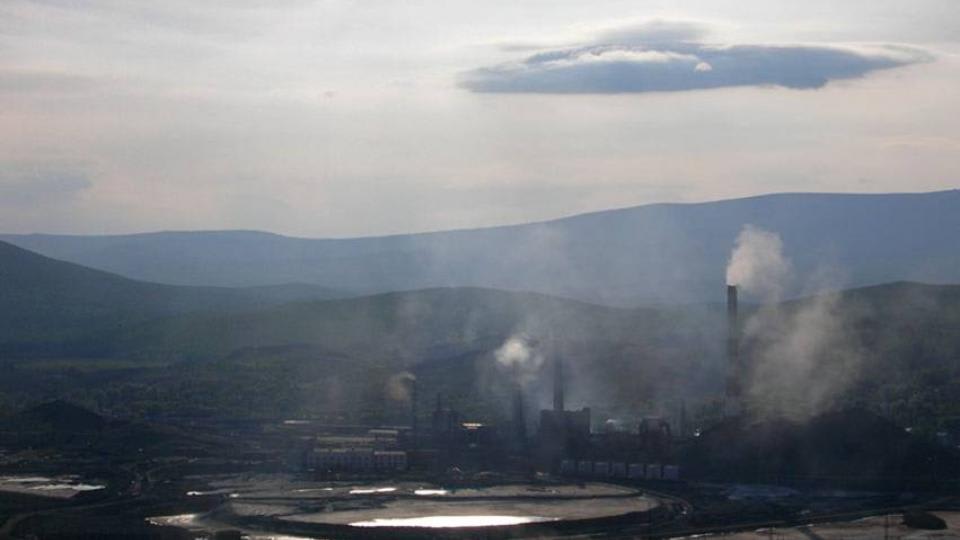
The Russian city of Karabash, in the Chelyabinsk region, is one of the most polluted places on earth. The city is the site of a copper-smelting plant, built more than a 100 years ago, and its toxic waste has caused enormous pollution and dire health problems for the inhabitants of the region.

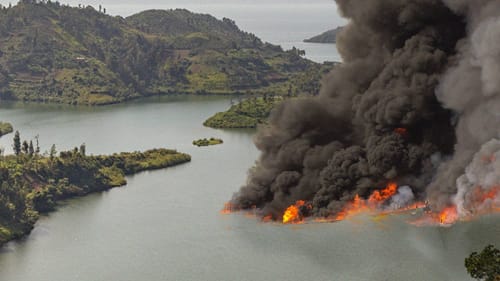
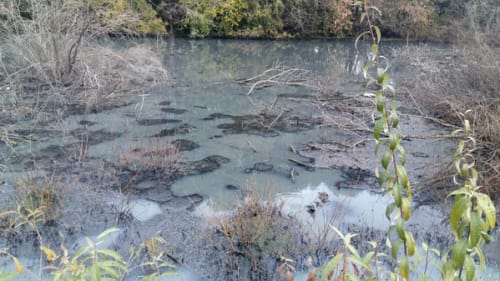
Since the plant first started working, more than 180 tons of sulphur dioxide and heavy metals have been released into the air every year. Forests, rivers and the soil all have an orange tint because of the residues from the processing of copper and iron, whose concentration is 500 times higher than it would normally be.

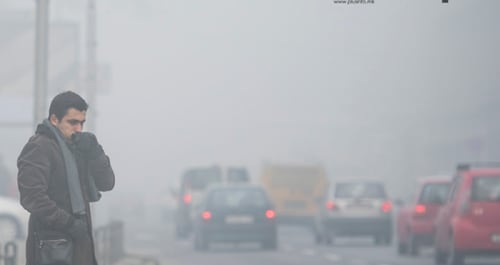
The immense emissions of sulphur dioxide and the highly polluting atmospheric particulate matter are responsible for the higher rates of skin diseases, cancer, strokes and congenital malformations among the population.

A survey conducted by the Chelyabinsk Provincial Institute for Public Health and Environment found that children from Karabash were considerably smaller than children from the control group, had 3.5 times more birth defects, 2.7 times more skin diseases and suffered from heavy metal poisoning.

Most of the population does not have the possibility to leave, and their average life expectancy is 45 years. A large part of the city, that which is downwind of the plant, was evacuated over the years because of the high concentration of dioxin.

The city is divided into two by a large black mountain made of copper processing debris called Black Slag. It is twenty meters high and more than two kilometres in length, and the dust constitutes a constant threat to the population, especially when the wind blows.

At the end of the 1980s, the protests of several environmental NGOs succeeded in getting the copper smelting plant closed. The area was also recognized by the Russian Ministry of the Environment as an "ecological disaster zone." But the economy of the whole town depended on the plant, and the population became unemployed.

The Karabashmed plant operated for decades without adequate air filtration, dumping tons of toxins directly into the environment.

Karabash's inhabitants suffer from an unusually high mortality rate from cancer and respiratory diseases, linked to the plant.

Research done in 2011 showed exceptionally high quantities of heavy metals and arsenic in the local air, ground, and water.

Numerous studies have shown that Karabash suffers the highest mortality rate in Chelyabinsk Oblast, the highest mortality rate in the oblast for young people, and among the highest mortality rates in all of Russia.
Gallery
5


Timelines
2026
June 04
Air Quality Index (AQI) in Karabash is recorded at 16.
This real-time AQI score is based on the highest-risk pollutant measured by local monitoring stations.
According to the US EPA health standard, air quality in Karabash currently falls into the Good category.

With a fine particulate matter (PM2.5) concentration of 2.9 µg/m³, the air pollution levels are considered minimal. This AQI rating indicates that the air is fresh and healthy for the general public, including children and those with respiratory sensitivities.
2023
April
During the last century, the Karabash Copper Smelting Plant processed sulfide ores and depositing the tailings into storage facilities that now occupy an area of more than 50 hectares.  To date, abandoned tailings are a significant source of natural water, air, and soil pollution in the Karabash city district.  The Karabash Copper Smelting Plant has an impact on the environment.

The effects of seepage from the two Karabashmed tailings facilities on water resources were assessed. We revealed that even outside the area of the direct impact of processing waste, the pH of natural water decreases to values of 4-5. Further downstream, the infiltration water from the tailings pond No. 4 reduces the pH of the river water to 3.0-3.5.

The presented results of environmental engineering surveys are derived from sampling water and bottom sediments of the Ryzhiy Stream and the Sak-Elga River, sample preparation, and quantitative chemical analysis. The study revealed significant exceedances of the maximum permissible concentrations for a number of chemical elements in the impact zone of the copper ore processing tailings.
2015
A protest against the environmental and health effects of the town's copper smeltery was attended by approximately 500 people.
2011
Research done in 2011 showed exceptionally high quantities of heavy metals and arsenic in the local air, ground, and water.
2010
Despite some modernization efforts following a 2010 legal obligation, the environmental damage remains severe.
Karabash is often listed alongside other heavily industrialized areas in the South Ural mountains, such as Chelyabinsk and Ozersk, as part of one of the world's most polluted regions, as indicated by the Office of Scientific and Technical Information (OSTI)
2009
Despite continuing pollution, Russia’s Ministry of Natural Resources and Environment decided to exclude Karabash from the list of most-polluted cities. Moreover, the Urals division of Rostekhnadzor (the Federal Service for Ecological, Technological and Nuclear Supervision) raised the permitted emissions limits for the Karabashmed plants.
2004
A temperature regulation malfunction in one of the furnaces resulted in a colossal sulfuric gas emission. This gas was brought down out of the atmosphere with the next rainfall, producing an acid strong enough to scorch all the green spaces and plant life in the area surrounding the city.
1998
Under pressure from the unemployed local population, the government was forced to reopen the facility.
The plant was reopened without any safety improvements or any environmental assessment, with no modernization of the treatment facilities. Today, the landscape is completely burned by carbon dioxide. The copper smelting plant has transformed the area into a living hell.
1996
The Ministry of Natural Resources declared the area an ecological disaster zone. The surrounding landscape is characterized by dead soil, bare mountains, and orange-colored water.
1994
A survey conducted by the Chelyabinsk Provincial Institute for Public Health and Environment found that children from Karabash were considerably smaller than children from the control group, had 3.5 times more birth defects, 2.7 times more skin diseases and suffered from heavy metal poisoning.
1989
November
Despite this, Karabash's population fell dramatically. Soviet authorities closed the copper works in town, citing its environmental impact.

At the end of the 1980s, the protests of several environmental NGOs succeeded in getting the copper smelting plant closed. The area was also recognized by the Russian Ministry of the Environment as an "ecological disaster zone." But the economy of the whole town depended on the plant, and the population became unemployed.
1970
After a century and a half of copper extraction, plant life in the city has practically died out, and the ecosystem of the surrounding area has been destroyed. The city and its outskirts have been subject to acid rain since the 1970s; the copper-smelting process produces sulfuric gases, and no purification of emissions was undertaken.

Soviet authorities closed a number of copper mines in Karabash and attempted to introduce non-mining industries to Karabash, such as a factory producing radios and another producing clothing.
1910
A new copper smelting plant was built in Karabash, which remains the town's primary plant.
The plant achieved much more success than its predecessors, spurring substantial growth in the town and producing one-third of all smelted copper in Russia.

The plant first started working, and more than 180 tons of sulphur dioxide and heavy metals are released into the air every year. Forests, rivers and the soil all have an orange tint because of the residues from the processing of copper and iron, whose concentration is 500 times higher than it would normally be.
1837
The town's first copper smelting plant was built, which existed for just five years, and proved to be less economically lucrative than the town's gold industry.

Open-pit copper extraction has been conducted there since 1837. Two abrasive manufacturing plants process the copper slag for blast cleaning.
1822
Karabash was founded in 1822 as a settlement of gold miners. While gold mining was the town's original main industry, large deposits of copper were subsequently discovered near Karabash.