Problems
Yangtze River Pollution: Water Quality, Plastic Waste, Industrial Pollution and Ecological Recovery
The Yangtze is the longest river in China and Asia and the third-longest river in the world. Its basin is one of China's most important economic and ecological regions, providing the main source of water for almost 600 million people and accounting for approximately 45% of China's GDP. It also supports important freshwater ecosystems and a significant share of China's threatened biodiversity.

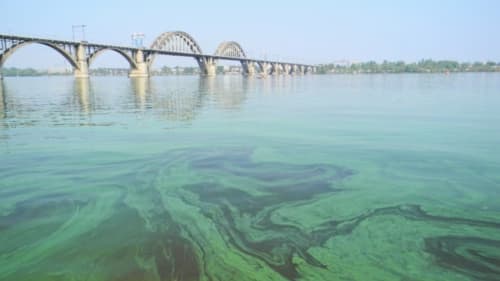
Decades of rapid industrialization, urbanization, agricultural development, shipping and large-scale infrastructure placed severe pressure on the Yangtze River ecosystem. Industrial and municipal wastewater, agricultural runoff, plastic waste and other pollutants have historically affected the river and its tributaries.

In recent years, extensive pollution-control and ecological-restoration measures have improved conditions across much of the basin. Nevertheless, significant environmental pressures remain, including plastic and microplastic pollution, industrial pollution risks, agricultural runoff, wastewater management, habitat alteration and biodiversity conservation.
Major Environmental Problems of the Yangtze
The Yangtze River Basin has experienced intense environmental pressure from industrialization, urban development, agriculture and population growth. Historically, industrial and municipal wastewater have been major pollution sources, alongside agricultural runoff, solid waste and pollution associated with intensive shipping.

The basin remains one of China's most industrialized regions. Research published in 2024 reports that more than 400,000 chemical enterprises operate across the wider Yangtze River Basin, accounting for approximately 46% of China's chemical output. This concentration of industrial activity creates continuing risks associated with chemical pollution, wastewater and accidental releases.

Environmental regulations have become considerably stricter. Under the Yangtze River Protection Law, the construction and expansion of chemical industrial parks within one kilometer of the Yangtze are prohibited, alongside broader measures intended to reduce pollution and restore ecosystems across the basin.
Plastic and Solid Waste Pollution
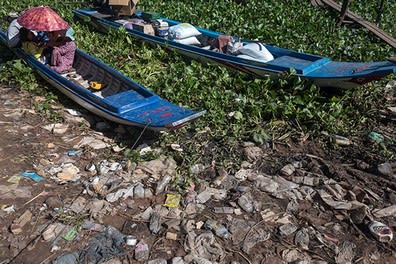
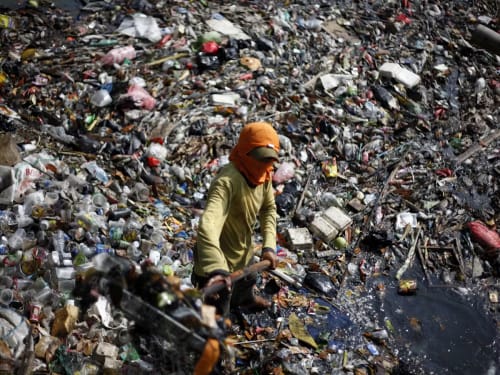
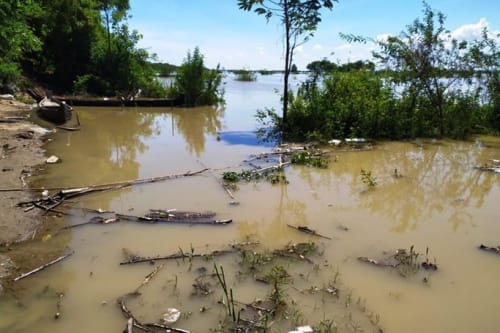
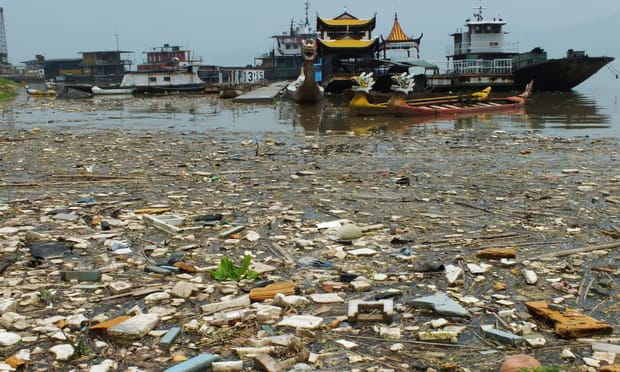
Plastic and other solid waste enter the Yangtze through urban areas, tributaries, runoff and waste-management systems. Plastic pollution is particularly persistent because larger debris can fragment into smaller particles and microplastics that spread through freshwater environments and may eventually reach downstream and marine ecosystems.

Earlier studies identified the Yangtze as a major global pathway for river-borne plastic entering the ocean. However, newer research has substantially revised this picture. A 2021 Science Advances study found that global riverine plastic emissions are distributed among more than 1,000 rivers, with large rivers contributing less than earlier models suggested. In that model, the Yangtze ranked 64th for macroplastic emissions rather than first.

That last sentence is very useful for EcoHubMap because you're showing how the scientific understanding itself changed.
Shipping
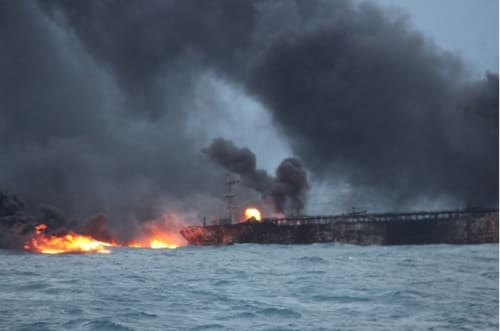
The Yangtze is an important inland shipping corridor, and intensive vessel traffic creates environmental risks including fuel and oil pollution, wastewater discharges, emissions, hazardous-cargo accidents and disturbance to aquatic habitats. These pressures require strict management of vessel waste, wastewater, fuel handling and hazardous materials.
Land-Use Change and Watershed Degradation
Historical deforestation, intensive agriculture, urban expansion and other forms of land-use change within parts of the Yangtze watershed have contributed to habitat loss, soil erosion and changes in sediment entering the river system. Protecting vegetation, restoring degraded habitats and improving watershed management are therefore important components of long-term ecological restoration.
Water Quality and Drinking-Water Protection
The Yangtze River Basin provides the main source of water for almost 600 million people, making water-quality protection particularly important for communities throughout the region. Industrial development, urban wastewater and agricultural pollution have historically created serious water-quality challenges in parts of the basin.

Large-scale pollution-control and ecological-restoration programs have substantially improved conditions in recent years. However, protecting water sources from industrial chemicals, untreated wastewater, agricultural runoff, plastic pollution and emerging contaminants remains an important long-term environmental priority.
Biodiversity and Ecosystem Degradation
The Yangtze River supports one of the world's most important freshwater ecosystems, but decades of pollution, overfishing, intensive shipping, dam construction and habitat modification have caused severe biodiversity losses. The baiji, or Yangtze River dolphin, is considered functionally extinct, while the Chinese paddlefish has also been declared extinct. Other native species remain threatened by habitat degradation and broader ecological pressures.

The river basin nevertheless remains extraordinarily important for conservation. The World Bank reports that it contains around one-third of China's endangered species and approximately 40% of the country's rare or endangered plants.

Recent conservation and restoration programs are intended to reverse decades of degradation. Long-term recovery will depend on continued pollution control, habitat restoration, sustainable water management and protection of vulnerable aquatic species.
Dams and Habitat Alteration
Large-scale river engineering, including dams and other water infrastructure, has altered natural processes within the Yangtze River system. Dams can change river flows and sediment transport, fragment aquatic habitats and create barriers for migratory species. These ecological impacts are distinct from direct pollution caused by wastewater, chemicals or solid waste.
Gallery
8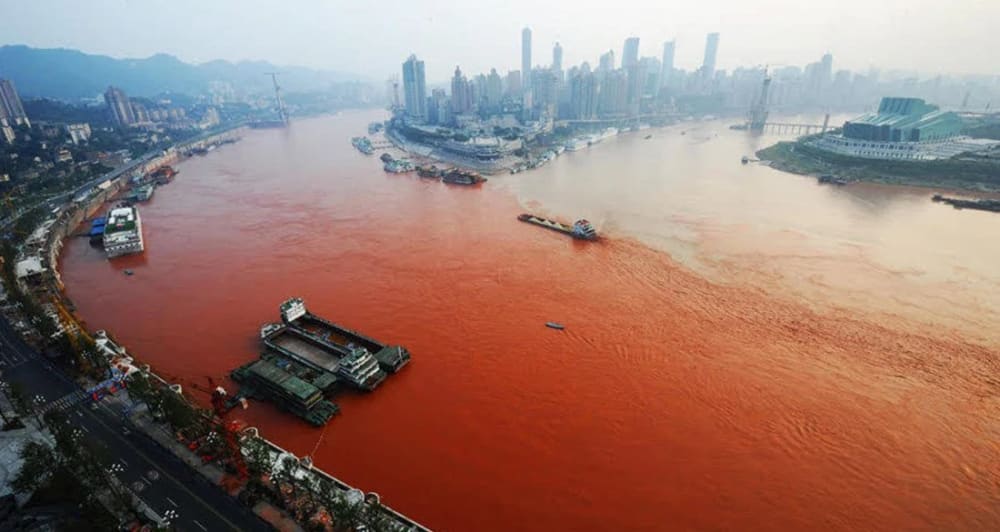


Timelines
2026
July 09
A peer-reviewed study examining long-term changes in fish biodiversity across the Yangtze River Basin found that more than 80% of the geographic units studied had experienced declines in taxonomic, functional and phylogenetic fish richness between the historical period (1976–2010) and the more recent period (2011–2020).

The strongest overall biodiversity changes occurred in the Yangtze mainstream and middle reaches. Researchers identified river fragmentation, water use and urbanization among the major drivers of these long-term changes.

The findings show that, despite recent signs of ecological recovery, the Yangtze continues to carry the legacy of decades of habitat alteration and human pressure.
April 27
Official monitoring data for 2025 showed that overall water quality in the Yangtze River Basin remained classified as excellent. About 98.9% of monitored national-control sections reached Grade I–III water quality, an increase of 0.3 percentage points from the previous year.

The entire Yangtze main stem maintained Grade II water quality for the sixth consecutive year.

The same monitoring report noted continued efforts to control pollution from tailings, industrial sources and other environmental pressures across the Yangtze River Economic Belt.
April 01
China's Ministry of Agriculture and Rural Affairs reported further recovery of aquatic biodiversity five years after the start of the Yangtze's 10-year fishing ban.

From 2021 to 2025, monitoring recorded 351 indigenous fish species across the Yangtze River Basin — 43 more than during the pre-ban period from 2017 to 2020.

In 2025, the monitored unit abundance of aquatic biological resources in the Yangtze main stem reached 2.4 kilograms, approximately twice the level recorded before the fishing ban in 2020. The biological integrity index of key Yangtze waters also improved.

However, authorities emphasized that habitat restoration and protection of threatened species remain long-term challenges.
February 12
A peer-reviewed study published in Science found that the Yangtze River fishing ban has halted a roughly seven-decade decline in fish biodiversity and initiated signs of ecological recovery.

Researchers compared fish communities in the Yangtze main stem before and after implementation of the fishing ban using monitoring data from 2018 to 2023. Fish biomass, body condition and species diversity all improved, while several threatened species showed initial signs of recovery.

The study identified the removal of fishing pressure as a major driver of the improvement, alongside better water quality, habitat restoration and reduced pressure from vessel traffic. Researchers cautioned that continued conservation measures are necessary for long-term recovery.
January 30
China reported that the estimated population of the endangered Yangtze finless porpoise had increased to approximately 1,426 individuals in 2025, up by 177 from the 2022 survey estimate of 1,249.

The finless porpoise is considered an important indicator of ecological conditions in the Yangtze River. Its recent population growth follows years of fishing restrictions, pollution-control measures and habitat conservation.

From 2021 to 2025, monitoring also recorded 351 indigenous fish species across the Yangtze Basin, 43 more than during the period before the 10-year fishing ban.
January 05
At a press conference marking a decade of development and ecological protection in the Yangtze River Economic Belt, officials reported major improvements in water quality and industrial pollution control.

The proportion of monitored sections with good water quality increased from 67% a decade earlier to 96.5%, while the entire Yangtze main stem had maintained Grade II water quality for six consecutive years.

Over the decade, nearly 10,000 chemical enterprises were closed, relocated, transformed or upgraded, and 1,361 illegal docks were removed or rectified as part of efforts to reduce industrial and shoreline pressures on the river.
2025
November 22
The 4th Yangtze River Protection Judicial Forum was held in Wuhan, bringing together judges, legal scholars, government representatives and other experts to strengthen judicial cooperation on environmental protection across the Yangtze River Basin.

Discussions focused on improving legal governance and coordination between regions while addressing the complex relationship between ecological protection and economic development along the Yangtze.
May 12
Chinese authorities reported continued recovery of aquatic biodiversity in the Yangtze River Basin following implementation of the 10-year fishing ban.

Monitoring conducted from 2021 to 2024 identified 344 native fish species across the basin, 36 more than during the 2017–2020 period before the full fishing ban.

Authorities also reported declining levels of illegal fishing: administrative fishing-related cases fell by 24.7% in 2024 compared with the previous year.
April 15
A peer-reviewed study of the Nanjing section of the Yangtze River detected continuing pollution from polycyclic aromatic hydrocarbons (PAHs), with substantially higher concentrations measured during winter than summer.

Researchers identified upstream pollution, petrochemical activity and ship transportation as important sources. Although Yangtze protection policies have reduced pollution overall, PAH concentrations in winter still exceeded ecological safety thresholds at some river and chemical-industry locations.

The findings highlight the continuing risk from specific industrial contaminants even as conventional water-quality indicators across the wider Yangtze Basin improve.
February
A peer-reviewed study examining phosphorus pollution in the Yangtze River found that average total phosphorus concentrations declined by approximately 9.15% between 2020 and 2023.

Despite the improvement, phosphorus remains an important water-quality concern. The study found that point-source pollution was a major contributor to phosphorus in the river and emphasized the need for continued monitoring and targeted nutrient-pollution control.
2024
April 16
China has made headway in advancing the systematic governance over ship pollution on the Yangtze River with a campaign on the issue completed, the Supreme People's Procuratorate (SPP) said.

During the campaign, 602 cases were filed by procuratorates across the country, including 592 cases of administrative public interest litigation, and all the prosecutions were supported by the judgments from the courts, according to the SPP.

Via the handling of the cases, over 610,000 square meters of polluted waters and tidal flats, 1,400 tonnes of mud and solid waste, and 200 tonnes of hazardous waste were cleared, data from the SPP showed.
2023
October
Xi, general secretary of the Communist Party of China Central Committee and chairman of the Central Military Commission, learned about the enterprise's efforts to build green and intelligent factories as well as promote energy conservation, and reduce pollution and carbon emissions.

The company, situated near the Yangtze River, is the largest petrochemical firm in the province. It has invested in nearly 30 projects to mitigate pollution and propel green transformation.

Reducing pollution from chemical companies along the Yangtze River is key to advancing the environmental management of the river, Xi said.

He called for continuous efforts on pollution control at the source and the whole-process reduction of pollution and carbon emission, as well as the promotion of digital and intelligent transformation and green transition to build the company into the world's leading green intelligent refining and chemical enterprise.

While chemical firms like Sinopec Jiujiang Company have been economic drivers for many cities along the river, they also posed significant environmental challenges.

Chongqing Municipality at the upper reaches of the Yangtze River, which was plagued by industrial waste, sand mining and vessel emissions. Water quality deteriorated, while lakes and wetlands were drying up.

Central China's Hubei, the province with the longest Yangtze River passage, took the initiative to ensure that there would be no chemical firms within 1 kilometer of the river.

Hubei has seen the total revenue of its chemical industry reclaim the top spot in central China after transformation and upgrading. Jiangsu's Changzhou City, having removed all low-end chemical firms along the shore to make space for greening and emerging industries, saw its new energy sector boost industrial output growth by 9 percentage points in the first seven months of 2023.

Chemical firms greened the shoreline they vacated, and waters are now lucid. Official data showed that the proportion of surface water of fairly good quality -- at or above Grade III in the country's five-tier water quality system -- within the Yangtze River Economic Belt rose to 96.8 percent in the first half of 2023.

The population of the Yangtze finless porpoises, a barometer of water quality in the Yangtze River basin, had increased.
March 01
To prevent and control pollution from ships in the Yangtze River, the Shanghai Municipality and Jiangsu Province have enforced new regulations which came into effect from 1st March 2023.

The applicable waters of Shanghai Regulations shall be the navigable waters of Shanghai and the port waters under state-authorized management.

The applicable waters of Jiangsu Regulations shall be the Yangtze River Waters in Jiangsu Province, which refers to the Yangtze River mainstream waters, including mainstream bypaths, short-cut routes and its connecting harbor basin waters.

The new regulations refer to:
● Use of shore power
● Bunker quality standards
● Transfer of bulk liquid cargo
● Transfer of cargoes that emit toxic and harmful gases or dust
● Shipboard emergency plan
● Ballast water discharge
● Discharge of washing water and residues from EGCS
● Maintenance of the machinery

And the prohibition on:
● Discharge of untreated sewage and oily water
● Sounding of ship whistle
● Use of incinerators
● Venting of toxic fumes
2022
August 22
A record-breaking drought has caused some rivers in China – including parts of the Yangtze – to dry up, affecting hydropower, halting shipping, and forcing major companies to suspend operations.

The drought has affected at least 2.46 million people and 2.2m hectares of agricultural land in Sichuan, Hebei, Hunan, Jiangxi, Anhui, and Chongqing.
May
The SPP launched the campaign in May 2022 to tackle major problems related to ship pollution along the Yangtze River.
2021
December 17
The World Bank's Board of Executive Directors approved a US$400 million loan to help enhance ecological protection and reduce water pollution in China's Yangtze River basin. This financing complements more than $6 billion of China's resources and will help reduce water pollution from plastics and animal manure and improve wastewater treatment.
2020
October 01
Protecting the Yangtze—which irrigates an area responsible for 45 percent of the country's GDP—is now a priority, with President Xi Jinping calling for an end to "destructive" development along it.
2018
April 18
Of the 2.75 million metric tonnes of plastic waste deposited into the ocean by rivers each year, 1.5 million, or 55%, flows out of the Yangtze.

This figure is according to a study led by Christian Schmidt, a hydrogeologist at the Helmholtz-Centre for Environmental Research, which was recently published in the Environmental Science & Technology journal.
The study concluded that long rivers with large populations living nearby in countries with poor waste management tend to deposit the most plastic pollution. China is a prime example of this.

As a result, there is a plastic concentration of 4,100 particles per cubic meter at the Yangtze river’s mouth according to the Dutch research group Ocean Cleanup.

Note: This estimate reflects the modeling available at the time. Later research substantially revised the estimated global distribution of river-borne plastic emissions, finding that plastic inputs are distributed across more than 1,000 rivers rather than being dominated by only a handful of the world's largest rivers.
2015
August 05
According to reporting published in 2015 citing the Yangtze River Water Resources Protection authorities, annual wastewater discharge into the Yangtze had reached approximately 33.9 billion tonnes at that time. The figure reflects historical conditions and should not be interpreted as a current annual discharge estimate.
March 15
A cargo ship had an accident that released 100 kilograms of styrene into the river. Two water treatment plants downstream, supplying water to the cities of Wuxi and Changzhou, ceased operation. Residents were forced to buy bottled drinking water.
2014
December 25
China’s Ministry of Environmental Protection reported that the wider Yangtze River Basin contains at least 400,000 chemical enterprises, alongside major steel-production complexes and oil refineries. This high concentration of heavy industry has historically created significant environmental pressure and pollution risks across the basin.