Water pollution caused by pharmaceuticals in the Ravi River, Pakistan
Pakistan
last update:
2 years agoProblems
Pharmaceuticals in the Ravi River
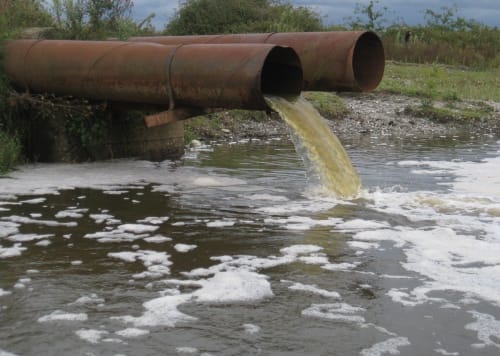
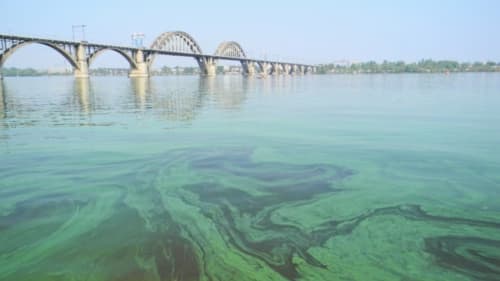
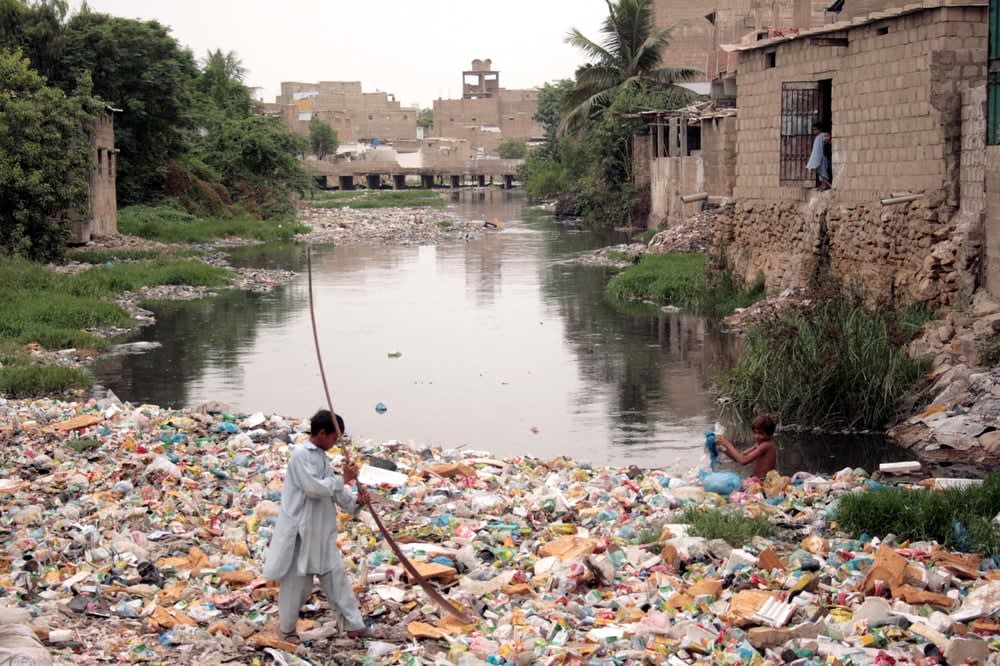
Environmentalists have found antibiotics and other drugs in river water around the world. The highest concentrations of drugs were found in Pakistani rivers. In the Ravi River, scientists found a mixture of seven antibiotics with a combined concentration of more than three milligrams per liter. In other samples from Pakistani rivers, researchers counted 33 pharmaceutical substances, including antibiotics. Contamination of the Ravi River with antibiotics can lead to a reduction in their effectiveness: antibiotic-resistant bacteria develop in water with antibiotics. This is one aspect of the threat that drug pollution in rivers poses to human health.
Drugs in the river cause antibiotic resistance
Ecologists’ concern about the presence of chemical components of pharmaceutical waste in the environment grows every year. Recent studies have identified pharmaceutical substances in small quantities in the surface waters of many countries. The danger of pharmaceutical waste is that it enters the environment continuously and shows persistence, negatively affecting natural components even at low concentrations (especially aquatic fauna), in case of contact with other pharmaceutical substances potentially creating a synergistic and cumulative effect. The main source of environmental contamination by pharmaceutical waste is sewage discharges, landfills, and large farms, from where untreated pharmaceutical substances get into the surface and groundwater.
Scientists found drugs harmful to flora and fauna in Ravi
In its study, the University of York observed 1,052 sampling sites along 258 rivers in 104 countries on all continents to quantify the presence of pharmaceutical ingredients - paracetamol, nicotine, caffeine, and drugs for epilepsy and diabetes - in these ecological environments, the Dawn newspaper reported. Wednesday.

The study concluded that pollutants in surface water pose a threat to the environment and/or human health in more than a quarter of the study locations worldwide – mainly in sub-Saharan Africa, South Asia, and South America.
The highest mean cumulative concentration was observed in Lahore, the capital of Punjab province in Pakistan, at 70.8 µg/L, with one sampling site on the Ravi River achieving a maximum cumulative concentration of 189 µg/L.
Next came the La Paz River in Bolivia (mean 68.9 μg/L, maximum 297 μg/L) and the river system in Addis Ababa, Ethiopia (mean 51.3 μg/L, maximum 74.2 μg/L ), according to the study.
Causes of medications entering the river
This local contamination of river waters was probably caused by the economic condition of the country.
Most often the pollution was predictably found in places with poor wastewater treatment and where pharmaceutical plants are located. The main reason for this is the lack of sewage treatment plants and the impunity of pharmaceutical companies, which regularly dispose of waste by flushing it down drains.

Scientists hope that current studies of river water in Pakistan will help focus efforts to clean up pharmaceuticals and regions that are most at risk. Connecting to quality sewage and wastewater treatment is key to minimizing, if not eliminating, pharmaceutical concentrations. However, it is very expensive because of the large infrastructure involved.
Researchers say more careful use of drugs is another way to reduce contamination, particularly with antibiotics, which in many countries are sold cheaply without prescriptions and are widely used unnecessarily, such as for treating the common cold.
Gallery
6


Timelines
2022
February 17
Scientists have found that concentrations of pharmaceuticals in Ravi River waterways have reached dangerous levels, posing a threat to the environment and human health.

Researchers say the levels of pharmaceutical drugs in rivers threaten the world's ability to meet the UN Sustainable Development Goals for clean drinking water and sanitation for all by 2030.
2020
January 08
The One Health Breakthrough Partnership was created to examine the extent of the pharmaceutical eco-problem in Scotland and to find greener pharmaceuticals and ways to reduce the amount of compounds that enter natural waterways.

Among these potential solutions is the use of bark or grain left over as a byproduct of whiskey production to absorb substances from wastewater. The project is exploring this issue in detail through a pilot project at Caithness General Hospital in Wick. The work has already been recognized by the international charity Alliance for Water Stewardship.

Analyses conducted as part of Caithness General's effort to find eight different pharmaceuticals in the hospital's wastewater revealed seven of them.
2016
October 25
According to a report published by the Centers for Disease Control and Prevention, the U.S. has reported a fourth case of human infection with E. coli bacteria resistant to antibiotics used as a last resort.
The UN meeting addresses the "fundamental threat" of antibiotic-resistant superbacteria.

The superbacteria are capable of spreading rapidly through air and water. By 2050, the total number of deaths worldwide from infections that prove resistant to treatment is expected to increase.

Many representatives of the global pharmaceutical industry, in their Declaration on Combating Antimicrobial Resistance, called on governments to work together to combat the threat of rising antibiotic resistance. The signatories of this declaration and PSCI must now also work urgently with governments to achieve the goal of limiting environmental contamination in drug production.
2015
February 19
Rebecca Clapper, a freshwater researcher at the University of Wisconsin-Milwaukee in the United States, found metformin in the Ravi River.
"It wasn't even on our radar. We only found it because the Environmental Protection Agency accidentally added it to the detection analysis we were using," Clapper says.

Now scientists are studying the effects of these drugs on ecosystems and trying to find ways to prevent the problem, such as by properly disposing of unwanted drugs, improving wastewater treatment and eventually developing more environmentally friendly drugs.
"It's a real problem that's growing, and it's only going to get worse as the world population ages," says Gwyn Lyons, policy director for the CHEM Trust, a British environmental charity.