Create your custom sustainability policy in minutes — free for a limited time
Get Started →Search type
Countries
Fields
Top 1 deforestation environmental hotspots in Canada
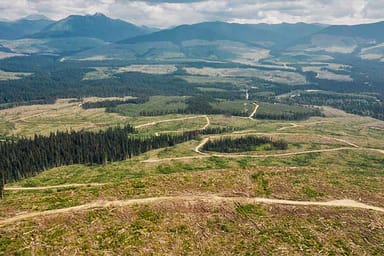
Overview of Deforestation in Canada
Canada is home to vast and diverse forest ecosystems, including the expansive boreal forests that play a crucial role in global carbon storage and biodiversity. Despite a relatively low national deforestation rate, certain regions face significant forest loss due to various human activities and natural disturbances. Understanding these hotspots is essential for informed conservation and sustainable land-use planning.
Major Hotspots and Affected Areas
Notable deforestation hotspots in Canada include:

  British Columbia: Regions such as the Great Bear Rainforest and areas affected by the Fairy Creek logging protests have experienced extensive logging activities. Clear-cutting practices and wildfires have contributed to significant forest loss in these areas.

  Ontario's Boreal Forest: Studies have indicated that industrial logging has led to higher deforestation rates than previously reported, with substantial impacts on the boreal ecosystem.

  Quebec's Gaspé Peninsula: This region faces challenges from habitat fragmentation due to urbanization and pollution from industrial activities, affecting its rich biodiversity.
Key Drivers Behind Forest Loss
The primary causes of deforestation in Canada include:

  Logging: Both legal and illegal logging activities, particularly clear-cutting, have led to substantial forest cover loss.
Вікіпедія

  Agricultural Expansion: Conversion of forested lands into agricultural fields continues to be a significant driver of deforestation.

  Infrastructure Development: Urbanization, mining, and the construction of roads and hydroelectric projects contribute to permanent forest loss.

  Natural Disturbances: Wildfires, pests like the pine beetle, and diseases exacerbate forest degradation, especially when combined with climate change effects
Environmental Impact and Biodiversity Concerns
Deforestation in Canada has far-reaching consequences:

  Carbon Emissions: Loss of forests reduces carbon sequestration capacity, contributing to increased greenhouse gas emissions.

  Habitat Loss: Many species, including the endangered Spirit Bear and various bird species, lose their habitats due to forest clearing.

  Soil and Water Quality: Deforestation can lead to soil erosion and negatively impact water cycles, affecting both ecosystems and human communities.
Conservation Efforts and Community Engagement
Efforts to combat deforestation in Canada involve:

  Sustainable Forestry Practices: Implementing selective logging and reforestation to maintain forest health.

  Indigenous Stewardship: Indigenous communities play a vital role in forest conservation, bringing traditional knowledge to sustainable land management.

  Policy and Legislation: Government initiatives aim to monitor deforestation and promote sustainable development.

  Understanding and addressing deforestation hotspots is crucial for preserving Canada's forests and the myriad of life they support.