Create your custom sustainability policy in minutes — free for a limited time
Get Started →Search type
Countries
Fields
Top 1 deforestation environmental hotspots in India
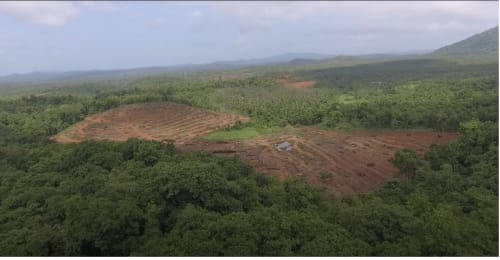
Overview of Deforestation in India
India, with its vast and diverse forest ecosystems, faces significant deforestation challenges. Despite efforts to increase forest cover, certain regions continue to experience forest loss due to various anthropogenic activities. Understanding these hotspots is crucial for informed conservation and sustainable land-use planning.
Major Hotspots and Affected Areas
Major Hotspots and Affected Areas

- Northeastern States: States like Arunachal Pradesh, Nagaland, and Manipur have witnessed notable forest cover loss, attributed to shifting cultivation, tree felling, and developmental activities.
- Western Ghats and Himalayas: Urban expansion and land-use changes in these biodiversity hotspots are driving significant forest loss.
- Chatra District, Jharkhand: Rampant deforestation and illegal mining activities have led to a decline in forest cover and groundwater levels.
- Nilgiris Region, Tamil Nadu: Efforts are ongoing to revive native forests that have been largely replaced by tea plantations.
Key Drivers Behind Forest Loss
The primary causes of deforestation in India encompass:

- Agricultural Expansion: Conversion of forests into farmland to meet the demands of a growing population.
- Illegal Logging: Unauthorized timber extraction, often facilitated by timber mafias, contributes significantly to forest degradation.
- Urbanization and Infrastructure Development: Rapid urban growth and infrastructure projects lead to the clearing of forested areas.
- Mining Activities: Extraction of minerals necessitates large-scale deforestation.
Environmental Impact and Biodiversity Concerns
Deforestation in India has profound ecological consequences:

- Loss of Biodiversity: Habitat destruction threatens numerous endemic species, disrupting ecological networks.
- Climate Change Acceleration: Forest loss contributes to increased carbon emissions, exacerbating global warming.
- Water Cycle Disruption: Deforestation affects rainfall patterns and water availability, impacting both ecosystems and human communities.
Conservation Efforts and Community Engagement
Initiatives to combat deforestation involve:

- Afforestation Projects: States like Meghalaya have adopted methods like the Miyawaki technique to promote rapid afforestation.
- Community-Led Movements: Movements such as the Chipko movement have historically played a significant role in forest conservation.
- Policy Implementation: Government programs aim to regulate land use, support sustainable agriculture, and enforce environmental laws.

Understanding and addressing deforestation hotspots is crucial for preserving India's forests and the myriad of life they support.