Create your custom sustainability policy in minutes — free for a limited time
Get Started →Search type
Countries
Fields
Top 1 deforestation environmental hotspots in Uganda
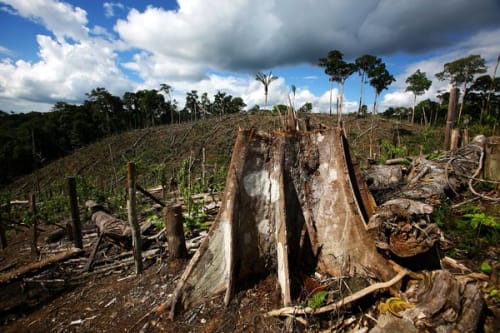
Overview of Deforestation in Uganda
Uganda has experienced significant forest loss over the past century. The country's forest cover has declined from 35% to 15%, with an estimated annual loss of 88,000 hectares. In 2024 alone, Uganda lost approximately 31,900 hectares of natural forest, resulting in an estimated 15.8 million metric tons of CO₂ emissions.
Major Hotspots and Affected Areas
Several regions in Uganda are particularly affected by deforestation:

- Bugoma Forest: Threatened by illegal logging, charcoal burning, hunting, mining, and encroachment for agriculture and settlement.
- Nyabiku Central Forest Reserve: Located in Kibaale District, this reserve faces heavy encroachment due to poverty, reliance on forest resources, and inadequate enforcement.
- Kasese District: Rapid population growth, reliance on biomass for energy, and unregulated timber harvesting have led to significant forest loss, contributing to floods, soil erosion, and land degradation.
The primary causes of deforestation in Uganda include:
The primary causes of deforestation in Uganda include:

- Agricultural Expansion: Shifting agriculture is responsible for 94% of forest loss, with crops like cassava, maize, and coffee being major contributors.
- Charcoal and Firewood Production: Forests are major sources of biomass, leading to extensive tree cutting, especially in rural areas.
- Illegal Logging and Timber Extraction: Unregulated harvesting for construction and commercial purposes.
- Population Growth and Settlement: High population growth increases demand for land, leading to forest clearing for settlements.
- Overgrazing: Both domestic and wild animals contribute to forest degradation through overgrazing.
Environmental Impact and Biodiversity Concerns
Deforestation in Uganda has profound ecological consequences:

- Loss of Biodiversity: Habitat destruction threatens numerous endemic species.
- Climate Change Acceleration: Forest loss contributes to increased carbon emissions, exacerbating global warming.
- Water Cycle Disruption: Deforestation affects rainfall patterns and water availability, impacting both ecosystems and human communities.
- Soil Erosion and Land Degradation: Loss of tree cover leads to soil erosion, reducing agricultural productivity.
Conservation Efforts and Community Engagement
Efforts to combat deforestation in Uganda include:

- Community-Based Reforestation: Initiatives like the Nakivale Green Environment Association have planted over 460,000 trees to restore degraded forests.
- Promotion of Bamboo Cultivation: The government supports bamboo farming as a sustainable alternative, aiming to plant 300,000 hectares by 2029.
- Policy Implementation: Strategies like REDD+ aim to address deforestation drivers through sustainable land management and conservation policies.

Understanding and addressing deforestation hotspots is crucial for preserving Uganda's forests and the myriad of life they support.