Create your custom sustainability policy in minutes — free for a limited time
Get Started →Search type
Countries
Fields
Top 1 rivers environmental hotspots in Italy
Italy’s Rivers: Lifelines of Biodiversity and Culture
Italy’s rivers, including the Po, Tiber, Arno, and Adige, are not only geographic landmarks but also cultural and ecological treasures. These freshwater systems nourish vast agricultural regions, sustain wetland habitats, and connect historic cities. Italy’s rivers serve as vital ecological corridors, supporting biodiversity and providing essential ecosystem services such as flood mitigation, groundwater recharge, and nutrient cycling.
Emerging Environmental Pressures on Italy’s Rivers
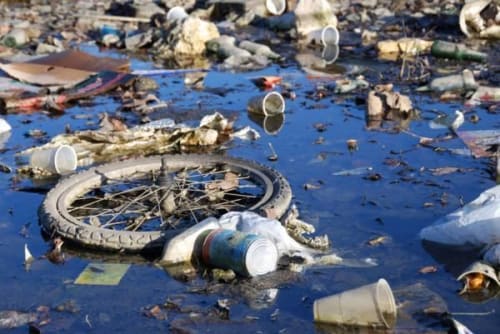
In recent decades, many of Italy’s rivers have become environmental hotspots due to increased pollution, overuse of water resources, and climate stress. Urban runoff, industrial waste, pesticide-laden agricultural discharge, and insufficient wastewater treatment are among the most serious threats. Additionally, damming and excessive water extraction have disrupted natural flows, threatening freshwater species and wetland habitats.

Climate change adds another layer of complexity, leading to unpredictable rainfall patterns, prolonged droughts, and more frequent extreme flooding events.
Sustainability Efforts and River Restoration Initiatives
Italy has made progress in addressing these challenges through EU environmental directives, national legislation, and regional water management plans. Civil society and environmental NGOs have played a vital role in organizing river cleanup initiatives, habitat restoration, citizen science projects, and public awareness campaigns.

Efforts such as re-naturalizing riverbanks, restoring floodplains, and improving water quality monitoring help safeguard rivers while promoting sustainable land and water use practices. Increasingly, local communities are engaging in eco-tourism and river stewardship programs that combine conservation with cultural heritage appreciation.
Mapping Italy’s River Hotspots for Environmental Insight
This category highlights key river environmental hotspots in Italy, offering up-to-date information on the most affected freshwater ecosystems. By identifying rivers under ecological pressure, this platform aims to raise awareness, support conservation partnerships, and foster responsible water governance.

Whether you are a policymaker, educator, activist, or traveler, understanding the status of Italy’s rivers is essential for preserving their ecological integrity and cultural legacy.