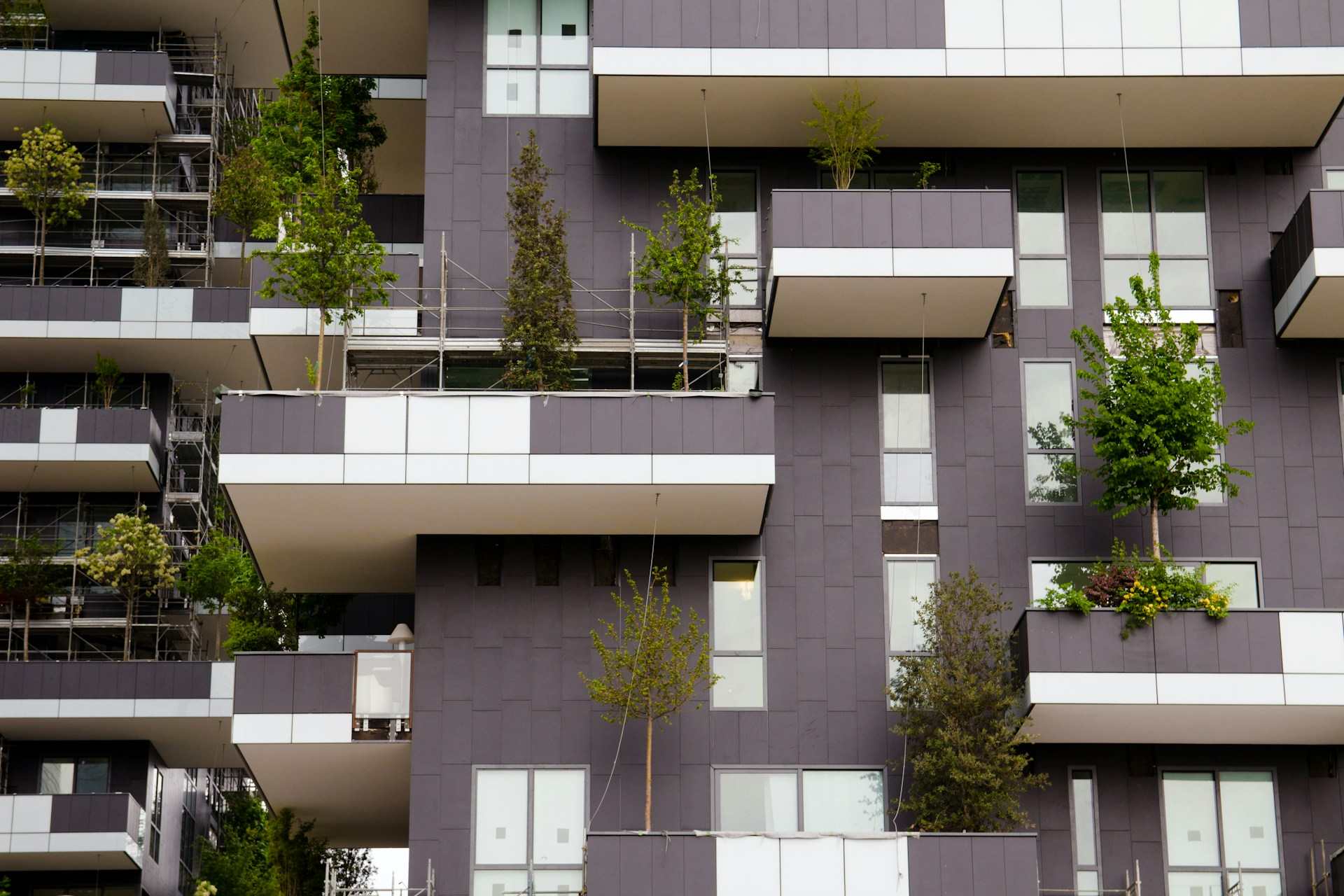
Balcony biodiversity: how railing planters are greening our cities
December 08, 2025
Urban apartments weren't designed with gardeners in mind. Most balconies are narrow afterthoughts; just enough room for a chair and maybe somewhere to set your coffee. But over the past few years, city dwellers have figured out a workaround that's changing how urban spaces look and function.

Making the most of forgotten spaces
The typical balcony has maybe 40 square feet of floor space. Put down a small table and a couple of chairs, and that's gone. But the railing is unused real estate. Railing planters attach directly to deck rails, turning that vertical barrier into growing space without eating up the floor area.

Window flower boxes have been around forever. But the current generation of balcony planters is built for modern railings, with adjustable brackets that grip metal or wood securely. Some have self-watering reservoirs built in. Others are designed to nest together, creating continuous lines of green that run the entire length of a balcony.

Anyone looking to get started should explore railing planters that fit their specific setup, since not all mounting systems work with every railing type. A building with horizontal metal bars needs different hardware than one with traditional vertical balusters.

The environmental ripple effect
One person adding a few plants to their balcony doesn't sound like much. But multiply that by every apartment in a 20-story building, then by every building in a neighborhood, and the numbers get interesting. Plants filter particulate matter out of the air. They absorb CO2. Basic photosynthesis, but at scale it matters.

Cities have a heat problem. All that concrete and asphalt absorbs solar radiation during the day and radiates it back out at night, keeping temperatures elevated. It's called the urban heat island effect, and it makes summers genuinely miserable.

Plants counter this through evapotranspiration, as they release water vapor that cools the surrounding air. A few hanging planters won't fix climate change, but they do measurably reduce ambient temperature in their immediate area.

The cumulative effect surprised urban planners when they started tracking it. Buildings where residents actively use deck rail planters show lower cooling costs in summer. The plants provide shade and insulation, reducing how much heat penetrates apartments.

Creating corridors for urban wildlife
Bees need to travel. So do butterflies and migrating birds. In cities, the distances between parks and green spaces can be prohibitive, with miles of concrete without a single flower. Balcony gardens create stepping stones. A pollinator can leave a park, stop at a balcony railing planter three blocks away, then continue to another balcony garden four blocks beyond that.

This wasn't part of the original plan. People started growing tomatoes and petunias because they wanted fresh food or something nice to look at. But researchers studying urban pollinator populations noticed the pattern. These elevated mini-habitats were forming networks, allowing species to survive in areas that would otherwise be too hostile.

Native plants work best for this. The local bee species evolved alongside specific flowers, and they're most efficient at pollinating those varieties. A metal railing planter filled with native wildflowers supports the ecosystem more effectively than exotic ornamentals, though honestly, any flowering plant helps more than none.

The psychological green space effect
People feel better around greenery. In high-rise apartments where ground-level yards aren't an option, hanging flower pots might be the only garden someone has access to.

The maintenance routine matters almost as much as the plants themselves. Checking soil moisture, pruning dead leaves, and watching seedlings develop are small tasks that create a connection to growing things that urban life otherwise eliminates entirely. Some people find it meditative. Others just like having something alive to care for that isn't demanding and doesn't judge.

Modern self-watering systems make this easier for people who travel frequently or work long hours. A reservoir at the bottom of the planter holds water that wicks up into the potting mix as needed. You can leave for a week without coming home to dead plants, which removes one of the bigger barriers to balcony gardens.

Practical considerations
Drainage kills more container plants than anything else. Waterlogged roots rot, and once that starts, the plant's done. Proper drain holes are non-negotiable. If a planter doesn't have them, you need to drill some. Some designs include removable drain plugs, which let you control whether water flows through or gets retained in a reservoir.

Weight adds up faster than expected. Soil is heavy, especially when wet. A large planter filled with damp potting mix can easily weigh 40 pounds. Multiply them, factor in the plants themselves, and you're loading significant mass onto a balcony structure.

Older buildings have weight limits that weren't designed with container gardens in mind. Worth checking before you go overboard.

Wind at height is no joke either. Ground-level gardens deal with gentle breezes. Tenth-floor balconies get blasted by gusts that dry out soil rapidly and can snap plant stems. Securing planters properly matters both for plant health and safety. Good mounting hardware with secure brackets prevents that nightmare scenario.

(Credit:Timon Studler via Unsplash)
Cities that breathe
The trajectory seems clear. As more people recognize what's possible with relatively minimal investment, adoption spreads. A few balcony hanging flower pots here, some rail hooks supporting herbs there, and gradually the cityscape changes. Not dramatically, not overnight, but steadily.

Accessibility is the key factor. You don't need expertise, significant money, or even much time. A handful of well-chosen planters, plants suited to your conditions, and basic maintenance will do it. And when thousands of people make that small choice, cities genuinely do get greener, one balcony at a time.
Do you have suggestions for this article? Would you like to propose a guest post?
Get listed in the eco directoryGet your company listed on EcoHubMap and expand your reach in the global green economy. Who can be listed?Add an organization