Fieldwork to frontlines: how data drives environmental action
July 23, 2025
Climate change doesn’t knock. It swoops in, causing rivers to dry up, streets to flood, and forests to become kindling. There is no time to play catch-up for those who are trying to save what remains. In high-stakes scenarios, the work demands quick reactions. Scientists, conservationists, and local stewards care not only about the planet. They’re out there measuring it and logging data. They are trying to protect it with whatever tools they can carry into the field.

Where data gets its hands dirty
Envision yourself trekking through mud that reaches your knees in a rainforest. On a good day, it’s with a drone buzzing overhead. You have a GPS in one hand and perspiration in your eyes. On a bad day, the drone crashes and your notes get soaked.
Many teams do  field data collection with Fulcrum. This platform enables precise, real-time reporting even in the most challenging circumstances. It entails streamlined processes that use fewer clipboards and concentrate more on obtaining data that motivates action than just filling out spreadsheets.
Whether mapping invasive species or  recording coral bleaching, this technology helps people to work more successfully, safely, and efficiently, even when the landscape isn't quite cooperative.

When numbers start talking
Raw data might look boring—coordinates, temperature readings, photos—but once analyzed, it tells a story. And sometimes that story changes everything.
A team of volunteers previously utilized data on wetland loss to stop a commercial development initiative. The numbers indicated the  extent of flood risk the surrounding community would face if the marshland were to disappear. They didn’t just stop a parking lot—they protected a flood buffer and local bird habitat.
When faces, places, and consequences accompany numbers, decision-makers listen. Field data often becomes the backbone of environmental lawsuits, zoning debates, or climate adaptation plans.

People, not just platforms
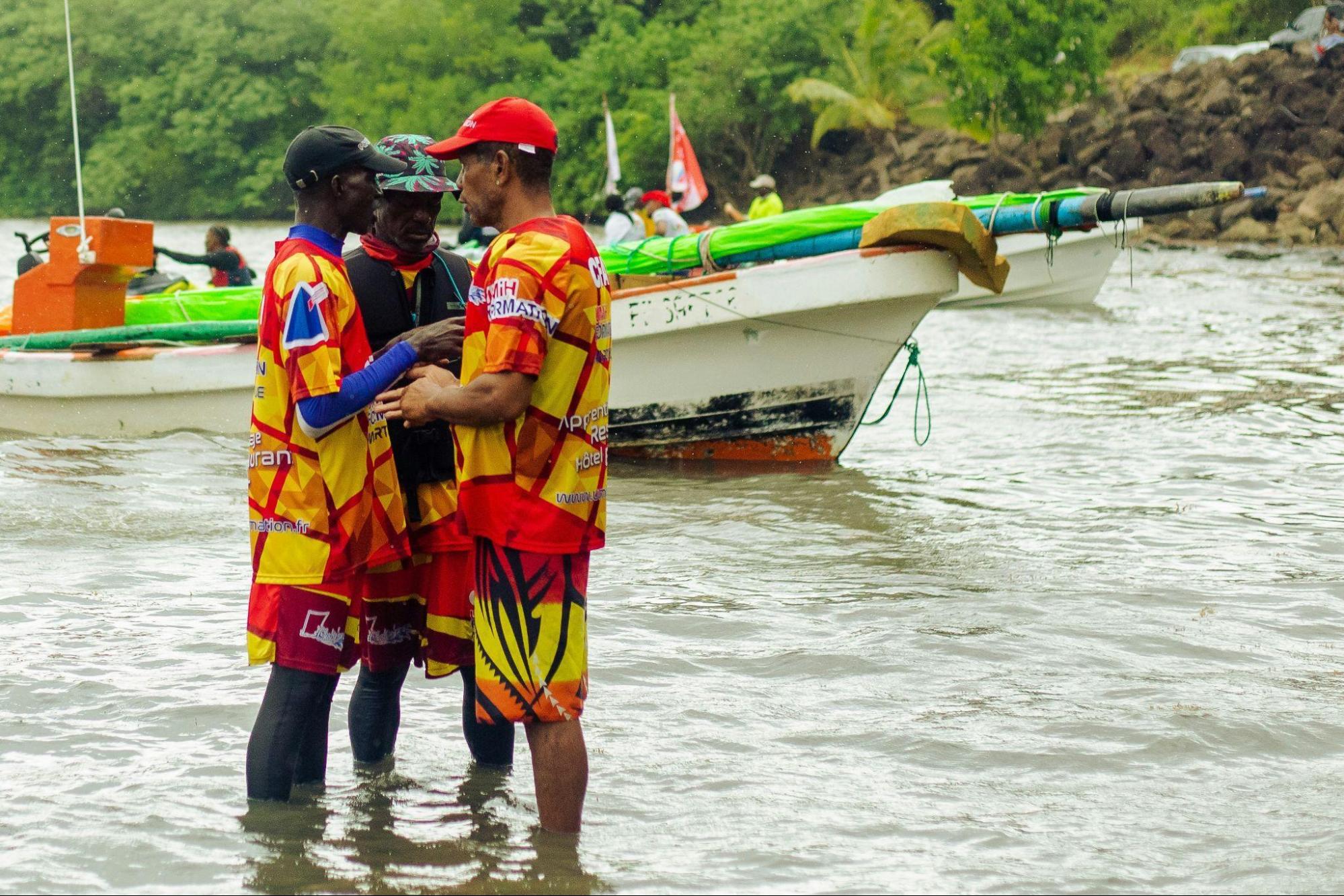
Every data point has a human behind it who suffered heat, rain, fatigue, or worse to collect it. Sure, software is helpful, but fieldwork still requires hard work and local expertise. You can’t teach someone to navigate sacred lands or build trust with an indigenous community via an app.
Many environmental teams now prioritize working with local partners who understand the landscape not just physically, but culturally. These collaborations often lead to better data and stronger outcomes. Tech can’t replace relationships. And while tools evolve, the emotional labor and lived experience of field workers remain central to any real environmental progress.

(Credit: Karollyne Videira Hubert from Unsplash)

From clipboards to change
Environmental wins rarely start in boardrooms. They begin in wetlands, forests, and floodplains—with people collecting data that speaks for the planet.
That data might first live in a smartphone or a cloud database, but it doesn’t stay there. It travels to courtrooms, city councils, and the inbox of someone deciding whether to fund the following conservation grant.
And what’s the thread connecting muddy boots to major policy shifts? Fieldwork. Not the glamorous kind, but the sweaty, sleep-deprived, deeply committed type. The kind powered by tech, but led by people.
In the fight against climate collapse, data doesn’t just support environmental action. It is the action.
Do you have suggestions for this article? Would you like to propose a guest post?
Get listed in the eco directoryGet your company listed on EcoHubMap and expand your reach in the global green economy. Who can be listed?Add an organization