Greener supply chains: the quiet revolution In ANZ logistics
June 19, 2025
Across Australia and New Zealand, a logistics transformation is quietly underway—one that prioritizes sustainability without sacrificing efficiency. As environmental regulations tighten and public demand for eco-conscious business practices grows, companies in the ANZ region are rethinking how goods are transported, stored, and delivered.

From electrified fleets to modular storage solutions and AI-powered route optimization, green logistics is no longer a buzzword—it's becoming the industry standard. This evolution isn't flashy, but it is significant: it’s reshaping entire networks behind the scenes while contributing to lower emissions, better fuel efficiency, and a more resilient supply chain.

Rethinking storage and mobility with modular solutions
One of the most notable contributors to greener logistics in New Zealand is Boxman—a company that exemplifies sustainable innovation through storage container solutions. Traditionally, warehouse expansion or temporary logistics infrastructure required extensive construction, long lead times, and high emissions. Boxman changes that. Their range of modified containers provides mobile, reusable, and highly adaptable alternatives for everything from on-site storage to portable logistics hubs.

Boxman’s offerings align with green supply chain goals in several key ways. First, by repurposing shipping containers, the company reduces the need for newly manufactured materials and energy-intensive building projects. Second, their containers are built for mobility—allowing them to be relocated, reused, or resold rather than demolished. This reuse model directly supports circular economy principles.

Electrifying the last mile
While storage and warehousing are foundational to the logistics puzzle, the last mile remains one of the most carbon-intensive segments. In response, ANZ-based logistics providers are investing heavily in electric delivery vehicles (EVs) and micromobility fleets. For instance, urban courier services are now deploying e-bikes and compact electric vans to navigate city centers, reducing emissions while also improving delivery times in congested areas.

In New Zealand, programs like the  Low Emission Vehicles Contestable Fund have incentivized fleet operators to adopt electric alternatives. Australia’s Clean Energy Finance Corporation has followed suit, offering support for electrification projects that promise measurable carbon reductions. These efforts are gradually shifting fleet compositions across both countries.
Smarter Routing And Load Optimization
Beyond infrastructure and vehicles, one of the most impactful (yet least visible) areas of green logistics transformation lies in data-driven efficiency. AI and machine learning tools are increasingly used to optimize delivery routes, maximize cargo loads, and reduce wasteful backhauls. In ANZ, this is being embraced by major retailers and 3PL providers alike.

Advanced software can analyze historical traffic data, fuel consumption patterns, and even weather forecasts to recommend real-time adjustments to transport plans. This not only saves fuel but also helps reduce wear on vehicles, extending their lifespan. When applied at scale, these optimizations translate into dramatic emissions reductions.

For example, a large transport fleet that implements route optimization algorithms can see fuel savings upwards of 10-15% annually. Load optimization software, meanwhile, ensures that trucks are packed more efficiently—minimizing the number of trips required to move the same volume of goods.

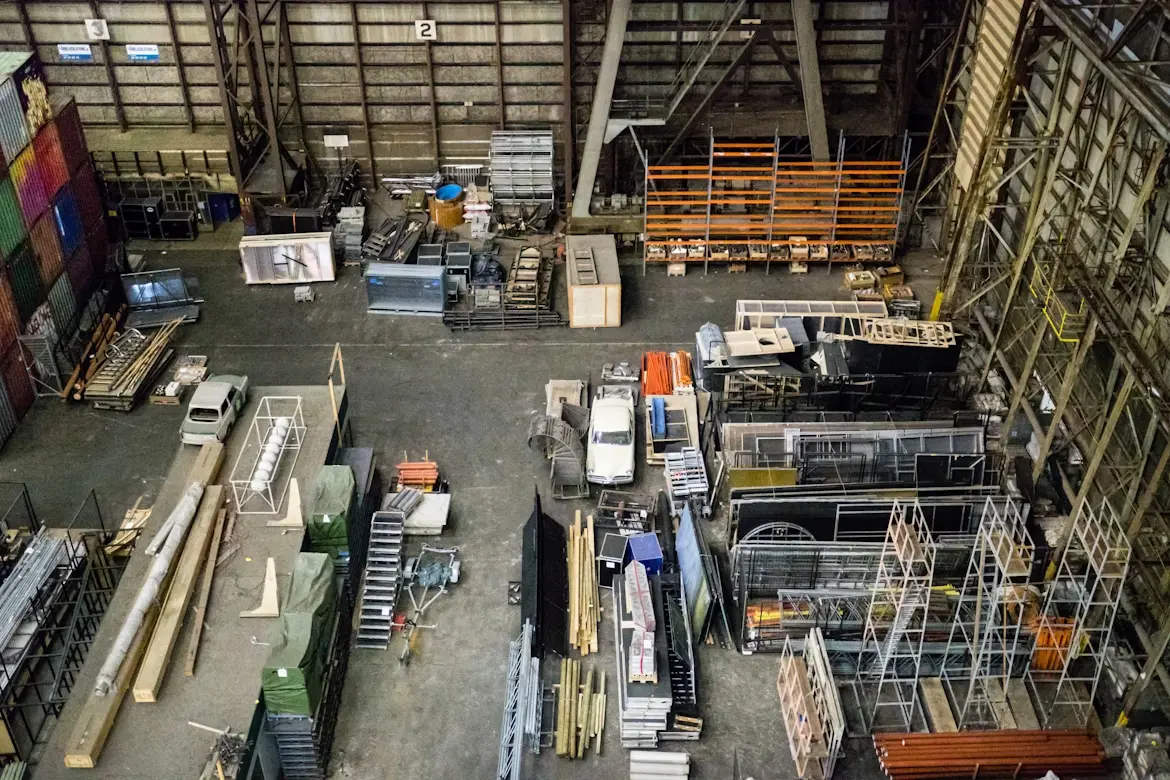
(Credit:Photo by xyzcharlize on Unsplash)

Rail and sea: the underused green giants
Truck transport dominates domestic freight in both Australia and New Zealand, but it’s far from the greenest option. A quiet yet meaningful shift is now occurring as companies rediscover the environmental efficiency of rail and sea freight.

Rail transport emits significantly less CO₂ per tonne-kilometer compared to road freight. In Australia, long-haul transport routes between cities like Sydney, Melbourne, and Brisbane are increasingly being transitioned to rail. These routes not only reduce emissions but also help decongest highways and lower maintenance costs on public infrastructure.

In New Zealand, coastal shipping is undergoing a small renaissance. Revived ferry routes and container shipping lanes offer a lower-emission alternative for inter-island transport. Companies using modular containers find it easier to switch between truck, rail, and ship because these containers are designed for seamless multi-modal compatibility. This makes shifting toward greener modes of transport more practical than ever before.
The Role Of Circular Logistics And Reverse Supply Chains
Sustainability isn’t just about forward logistics—reverse logistics and circular supply chains are just as important. Businesses across ANZ are beginning to design supply chains that include return paths for used packaging, outdated equipment, and unsold goods.

Retailers now commonly collect e-commerce packaging for recycling or reuse. Some even integrate refurbished goods back into their product offerings, reducing the need for virgin materials. In agriculture, the return of harvest containers, pallets, and temperature-sensitive packaging is becoming more efficient thanks to modular, traceable container systems—once again connecting to providers, who enable easy recovery and redeployment of container units.

Many product take-back programs are gaining traction, particularly in sectors like electronics and apparel. This creates new logistical challenges—but also new opportunities to reduce landfill waste and reintroduce valuable materials into the supply chain. Green logistics in ANZ is increasingly about building closed-loop systems where nothing is wasted.
Government Policy And Consumer Pressure Accelerating Change
Public pressure and regulatory developments have created a strong tailwind for the green logistics movement in Australia and New Zealand. Governments in both countries have committed to net-zero emissions by 2050, and logistics is a major component of that target.

 New Zealand’s Emissions Trading Scheme (ETS) requires large freight companies to account for their carbon output—giving them financial incentives to cut emissions. Australia is also rolling out stricter sustainability reporting mandates, which are expected to cover more of the supply chain sector over time. These policy shifts are pushing even reluctant players toward eco-friendlier practices.

Equally powerful is consumer expectation. Modern customers increasingly prioritize sustainable brands, and that includes how their goods are shipped. Businesses that demonstrate supply chain sustainability—whether through the use of reusable containers, low-emission vehicles, or efficient routing—gain a competitive edge.

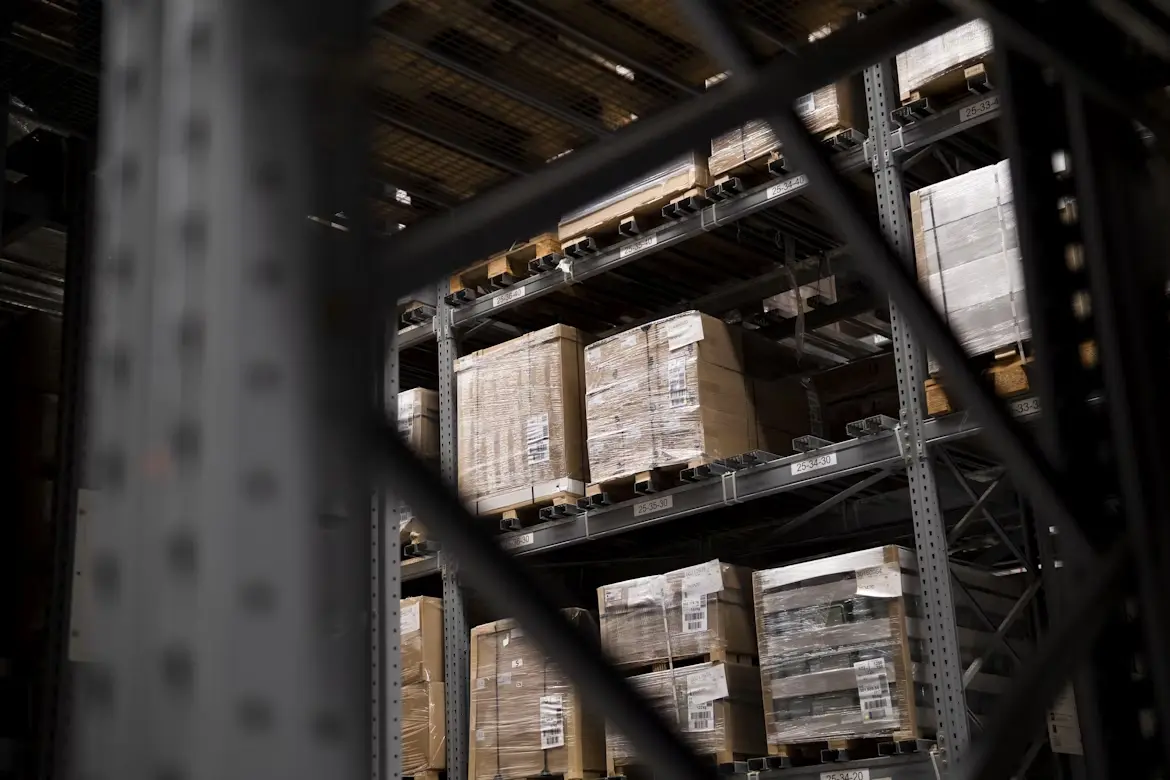
(Credit:Photo by Arum Visuals on Unsplash)

Endnote
The quiet revolution in ANZ logistics is proof that impactful change doesn’t always come with fanfare. Through a combination of smart infrastructure like modular storage solutions, greener transport modes, AI-driven routing, and circular logistics strategies, the supply chain sector in Australia and New Zealand is undergoing a meaningful transformation.

While there is still much ground to cover, the current trajectory is promising. It’s a shift driven not by hype, but by necessity—and it's producing supply chains that are not only greener but smarter, more agile, and more future-ready.
Do you have suggestions for this article? Would you like to propose a guest post?
Get listed in the eco directoryGet your company listed on EcoHubMap and expand your reach in the global green economy. Who can be listed?Add an organization