Hardscaping vs softscaping: how tazscapes landscaping balances both for a functional project
April 29, 2026
Quick answer
Creating a functional outdoor space requires thoughtful integration of permanent structures and living elements. Hardscaping provides structure, durability, and defined areas for activity, while softscaping adds beauty, texture, and environmental benefits. The key to success lies in planning both elements together from the start, ensuring they complement each other in scale, style, and purpose. When balanced properly, your landscape becomes both practical for daily use and visually appealing through every season.
Introduction
Imagine stepping into your backyard and feeling an instant sense of calm. The path underfoot is solid and inviting, leading you past vibrant flower beds and lush greenery to a comfortable seating area. This harmony does not happen by accident. It is the result of intentional design that honours both the built and the grown elements of your outdoor space.
Achieving this balance often requires expertise in both structural installation and horticultural knowledge. Many homeowners find that working with an experienced landscaping company, such as the team at Tazscapes Landscaping, can help navigate the complexities of combining structural and living elements.
In this guide, we will explore how to thoughtfully blend these two essential aspects of outdoor design. You will learn practical strategies for planning, selecting materials, and choosing plant life that work together to create a landscape that is both usable and beautiful year-round.
Understanding the core differences and synergies
Creating a landscape that truly works for your lifestyle starts with understanding what each element brings to the table. Hardscaping and softscaping are not competing choices; they are complementary forces that, when planned together, create outdoor spaces that are durable, beautiful, and purposeful.
What defines hardscaping elements
Hardscaping refers to the non-living, structural components of your landscape. These elements provide form, function, and longevity. Common examples include:
Patios and deck surfaces built with stone, concrete, or composite materials
Walkways and pathways that guide movement through your property
Retaining walls that manage slope and prevent erosion
Water features, fire pits, or outdoor kitchens that extend living space
Fencing, pergolas, and arbours that define boundaries and add shade
Professional hardscaping construction requires careful attention to drainage, foundation stability, and material selection suited to Canadian weather patterns. These structures form the backbone of your outdoor area, creating zones for activity and ensuring the space remains usable through snow, rain, and summer heat.
The role of softscaping in landscape design
Softscaping encompasses all the living, growing aspects of your landscape. These elements bring colour, texture, scent, and ecological value. Key components include:
Trees and shrubs that provide privacy, shade, and seasonal interest
Flower beds and perennial gardens that add vibrancy and support pollinators
Lawn areas or ground covers that soften hardscape edges
Mulch, soil amendments, and irrigation systems that sustain plant health
Thoughtful softscaping considers native plant species, sun exposure, soil type, and water needs. When selected with care, these living elements reduce maintenance, support local wildlife, and evolve beautifully with the seasons.
Why balance matters for functionality
A landscape heavy on hardscaping can feel cold, impermeable, and prone to water runoff. One dominated by softscaping may lack defined spaces for gathering or become difficult to maintain. The ideal approach integrates both:
Hardscaping creates usable surfaces and structure; softscaping softens edges and adds life
Structural elements define where people move and gather; plantings guide the eye and create atmosphere
Durable materials ensure longevity; living elements adapt and mature over time
Hardscaping versus softscaping: a quick comparison
Aspect
Hardscaping
Softscaping
Primary Purpose
Structure, durability, and defined zones
Beauty, ecology, seasonal change
Maintenance Level
Low to moderate (cleaning, occasional repair)
Moderate to high (watering, pruning, seasonal care)
Installation Timeline
Often completed in days or weeks
Establishes over seasons; matures over years
Climate Considerations
Freeze-thaw resistance, slip resistance, drainage
Hardiness zones, drought tolerance, and sun requirements
Cost Profile
Higher upfront investment; long-term value
Variable upfront cost; ongoing care investment
This comparison helps clarify why neither element should dominate. A functional landscape weaves them together so that pathways lead through gardens, patios are framed by plantings, and retaining walls blend naturally with the terrain. The result is an outdoor environment that feels intentional, welcoming, and ready for real life.
Practical strategies for planning your balanced landscape
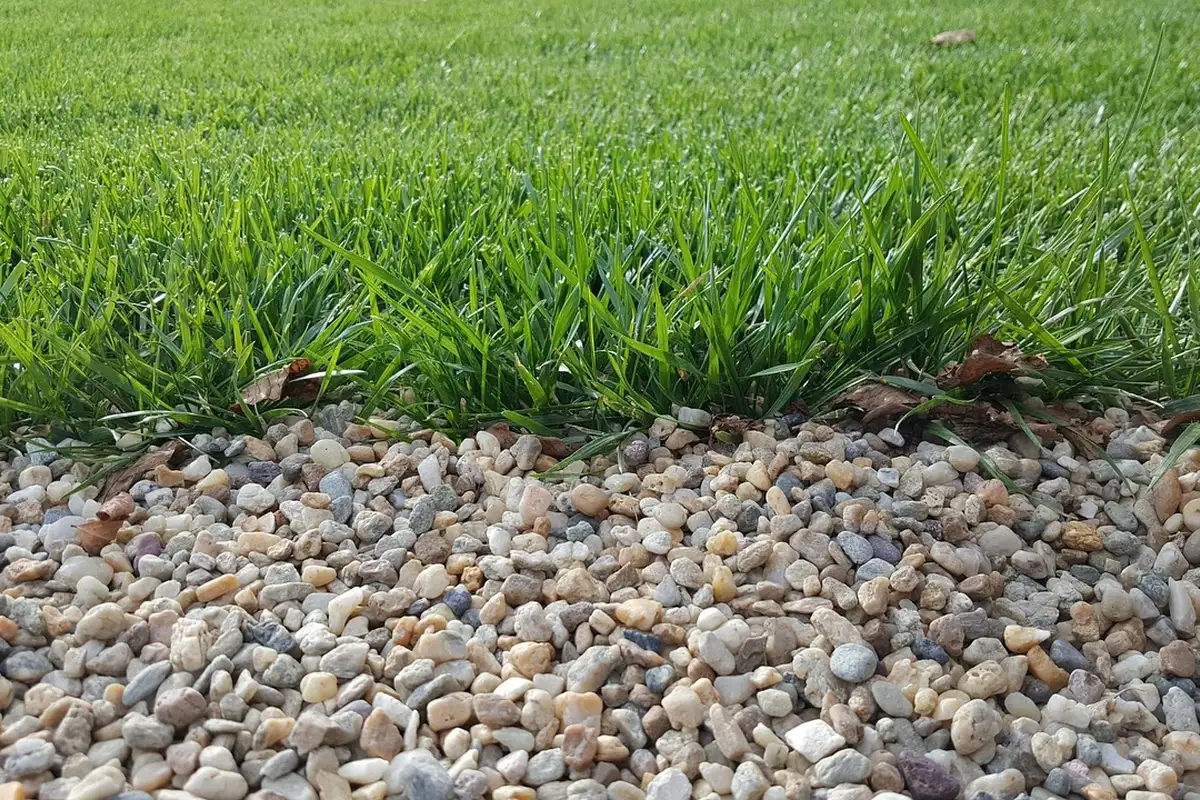
(Credit:vizelek via Pixabay)
Now that you understand the distinct roles of structural and living elements, the next step is turning that knowledge into a cohesive plan. A successful outdoor space does not emerge from random additions; it grows from intentional choices that consider your lifestyle, climate, and long-term goals.
Start with a functional assessment
Before selecting materials or plants, ask yourself these foundational questions:
How will you use the space most often? (Entertaining, gardening, play, relaxation)
What are your climate challenges? (Snow load, drainage, wind exposure, sun patterns)
Which areas need definition, privacy, or erosion control?
What is your realistic maintenance capacity throughout the year?
Writing down your priorities helps prevent common pitfalls, like installing a beautiful stone patio that becomes unusable in winter or choosing delicate plants that cannot survive local conditions.
Sequence your project for success
Timing and order matter when integrating permanent structures with living elements. Follow this general progression:
Site preparation: Address grading, drainage, and soil quality first. Healthy soil supports both stable foundations and thriving plants.
Install core hardscaping: Build pathways, patios, and retaining walls while the site is accessible. This avoids damaging established plantings later.
Add irrigation and lighting: Run underground lines for water and electricity before final grading or planting.
Introduce softscaping: Plant trees, shrubs, and perennials once major construction is complete to reduce stress on living elements.
Apply finishing touches: Mulch, decorative stone, and seasonal annuals tie the design together.
This sequence protects your investment and ensures each element has the support it needs to perform well.
Choosing materials and plants that work together
Selection is where vision meets practicality. Use this checklist to guide your decisions:
Consideration
For Hardscaping
For Softscaping
Climate Suitability
Freeze-thaw resistant materials; non-slip surfaces for wet conditions
Native or hardy species; drought-tolerant options for low maintenance
Visual Harmony
Colours and textures that complement, not clash with, plant palettes
Foliage and bloom colours that enhance structural features year-round
Long Term Care
Materials that age gracefully with minimal repair needs
Plants that mature to the desired size without constant pruning
Environmental Impact
Permeable options to support groundwater recharge
Species that support pollinators and local ecosystems
When in doubt, consult with knowledgeable landscaping services like Tazscapes Landscaping early in your planning process. Their expertise can help you avoid costly mismatches between design intent and real-world performance.
Common mistakes to avoid
Even well-intentioned projects can stumble without careful planning. Watch for these frequent oversights
Overbuilding: Too much paved area can create heat islands, increase runoff, and leave no room for greenery.
Under planning for growth: Trees and shrubs expand. Plant them with mature size in mind to avoid future conflicts with structures.
Ignoring drainage: Both hardscaping construction and softscaping contractors emphasize proper water management. Poor drainage damages foundations and drowns plants.
Choosing trends over timelessness: Fashionable materials or plants may not age well. Prioritize quality and suitability over fleeting styles.
By focusing on function first and beauty second, you create a landscape that remains satisfying and usable for years to come. The most rewarding outdoor spaces feel effortless because every element has a purpose and a place.
Final thoughts on creating harmony in your outdoor space
A truly functional landscape emerges when structure and nature work in concert. Hardscaping provides the framework for how you move, gather, and enjoy your property, while softscaping fills that framework with life, colour, and seasonal rhythm. Neither element shines in isolation; their power lies in thoughtful integration.
Do you have suggestions for this article? Would you like to propose a guest post?
Get listed in the eco directoryGet your company listed on EcoHubMap and expand your reach in the global green economy. Who can be listed?Add an organization