How colleges go green through campus-wide sustainability efforts
August 21, 2025
The green movement is no longer limited to reusable water bottles and compost bins. Across the country, colleges are redesigning their entire approach to energy, construction, food, and waste to reflect long-term sustainability goals. Campuses that once ran on outdated infrastructure are now turning into living laboratories for climate action.
From solar panels on the dining hall roof to bike-share stations outside the library, sustainability efforts have become part of everyday campus life. The idea of building a greener future isn't just discussed in class; it's being lived out across dorms, labs, and student unions. And as students juggle demanding academic loads, some even turn to platforms like  domyessay.com to write my essay for me so they can make time to get involved in campus-wide initiatives or sustainability clubs.

Rethinking Energy Use Across Campus
One of the biggest areas of impact is energy. Colleges are actively reducing their reliance on fossil fuels through solar installations, geothermal heating systems, and energy-efficient lighting.
Instead of massive, aging HVAC systems running around the clock, newer buildings are equipped with motion-sensor lights, smart thermostats, and solar-heated water tanks. These are part of master plans with clear goals and public dashboards tracking progress.
At institutions like Middlebury College or Arizona State University, the move toward clean energy has shifted from idealism to engineering. Students take part in designing solutions, testing ideas, and analyzing data that makes these systems work better every year.

Sustainable Architecture and Green Building Standards
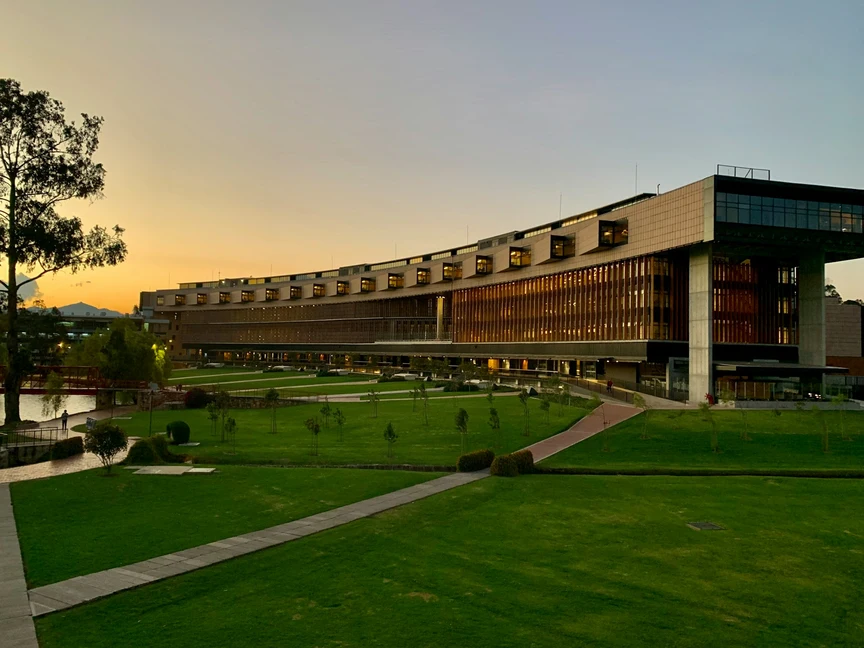
Modern campus buildings are being designed with sustainability in mind from the ground up. It's no longer enough to build a new residence hall. It needs to meet LEED certification standards and reflect the school's climate goals.
Key features of green campus buildings include:

● Energy-efficient windows and insulation
● Recycled and low-impact construction materials
● Rooftop gardens and living walls
● Rainwater collection systems
● Solar panel integration
● Natural light design to reduce electricity use

When students walk into a building that feels cool in the summer and warm in the winter without blasting air conditioning, they're experiencing sustainability in action. And it's not just environmental science majors who notice.

(Credit: Camilo Botia via Unsplash)
Waste Reduction Programs That Actually Work
Trash used to be someone else's problem. Now, campuses are rethinking the entire cycle, from what students buy to what they throw away. Compost bins sit next to recycling in most dining halls, and zero-waste goals are starting to appear in student orientation materials.
Some schools run "move-out" programs in the spring to prevent dorm leftovers from ending up in landfills. Gently used furniture, clothes, and supplies get collected, sorted, and offered to incoming students the next semester. It saves money and drastically cuts down waste.
More importantly, schools are starting to track and report on their progress. It's one thing to encourage students to recycle. It's another to show them that campus landfill contributions have dropped by 40% in four years.

Campus Dining Goes Local and Low-Waste
Food systems are another area of change. College dining halls are switching to locally sourced produce, reducing packaging waste, and finding creative ways to serve thousands of meals without generating tons of garbage.
Menus are adjusting, too. Some colleges now offer climate-friendly meal options with carbon labels that show the environmental impact of your lunch. Others have reduced meat-heavy menus in favor of plant-based alternatives that reflect both student demand and sustainability goals.
The use of reusable containers, trayless dining, and partnerships with local farms are no longer rare. They're becoming the standard. Students notice when their food choices match their values, and that connection makes the impact personal.

How Colleges Engage Students in Sustainability
Sustainability can't succeed without student involvement. Colleges know this, which is why many of them fund campus green teams, offer paid internships in sustainability offices, and invite students to sit on advisory boards that shape climate policy on campus.
Student groups often lead campaigns to ban single-use plastics, create eco-friendly outdoor spaces, organize clothing swaps, or push for divestment from fossil fuels. Some even partner with local city councils to take green action beyond campus borders.
Tutor Angela from the essay writing service DoMyEssay has worked with students who prioritize sustainability when choosing a college. "They want to feel like their voice matters, and green efforts give them that opportunity," she explains.
With tools like student-run sustainability blogs or peer-led workshops, students have more ways than ever to stay engaged and informed. And when the workload gets too heavy, they sometimes look for a  website that will write your essay, not to slack off, but to keep their energy focused on causes that matter.

Tech and Innovation Driving Greener Operations
Behind the scenes, campuses are turning to technology to track energy use, streamline transportation, and monitor waste levels in real time.
Ways schools use tech to support sustainability:

● Campus-wide dashboards that display real-time energy usage
● Apps that show open bike-share locations and electric shuttle times
● Smart irrigation systems that reduce water waste
● Sensors that detect when classrooms are empty and adjust lights/AC
● Digital ID cards that eliminate paper tickets and event passes

These solutions aren't just for show. They reduce operational costs, increase transparency, and offer students hands-on experience with the tools they'll likely use in future careers.

Challenges Colleges Face in Staying Sustainable
For all the progress, going green isn't easy. Older buildings require costly upgrades. Local utility policies can make clean energy integration tricky. And some campuses face pushback from stakeholders who question the return on investment.
Student behavior is another wildcard. Even the best sustainability plan can fall flat if students don't participate. That's why many schools focus just as much on communication as they do on infrastructure, because change starts with culture.
Still, the momentum is growing. Schools that make sustainability visible and practical are building campus cultures that support long-term impact.

Conclusion
Sustainability is a real, ongoing shift in how colleges operate and educate. From solar energy to low-waste dining halls, students are seeing what climate action looks like up close.
These efforts are shaping more than just buildings and operations. They're shaping mindsets. And for today's students, that matters. When they graduate, they won't just take a degree into the world. They'll bring values, experience, and a clearer sense of what it means to build something better.
Do you have suggestions for this article? Would you like to propose a guest post?
Get listed in the eco directoryGet your company listed on EcoHubMap and expand your reach in the global green economy. Who can be listed?Add an organization