How efficient heating cuts your home's carbon footprint
July 09, 2026
Most people picture cars and factories when they think about emissions. Yet the way we heat and cool our homes is one of the largest sources of household carbon. The good news is that the same upgrades that shrink your footprint also shrink your bills.
(Credit: Giorgio Trovato via Unsplash)Efficiency is where good intentions meet real results. A greener home starts with the system behind the walls. For homeowners who want expert help, a local team like Handy Brothers can service and upgrade heating across London, Ontario. This guide covers how efficient heating helps the planet and your wallet.
Why does home heating affect the planet?
Because it uses so much energy. Heating and cooling dominate home consumption.
Space heating and cooling make up close to 50 percent of the energy a typical home uses. Most of that energy still comes from burning fuel, which releases carbon. Cut the waste, and you cut the emissions at the source.
The link is direct. Less wasted energy means a smaller footprint, and a lighter load on the power grid too.
What makes a heating system efficient?
Doing more with less input. Efficiency measures useful heat per unit of energy.
An energy-efficient home pairs a modern system with good insulation and sealing. High-efficiency furnaces convert 90 to 98 percent of their fuel into heat. Heat pumps go further by moving heat rather than making it.
The idea is using energy wisely, not wasting it. A tuned, well-matched system loses very little.
What role do heat pumps play?
A central one, and a growing one. They are among the greenest options available.
A heat pump can deliver several units of heat for each unit of electricity it uses. Paired with cleaner grid power, that makes it a low-carbon choice. The ENERGY STAR overview of geothermal heat pumps shows how efficient the ground-source versions can be.
How much can efficiency save?
Enough to notice, on both counts. Savings show up in carbon and cash.
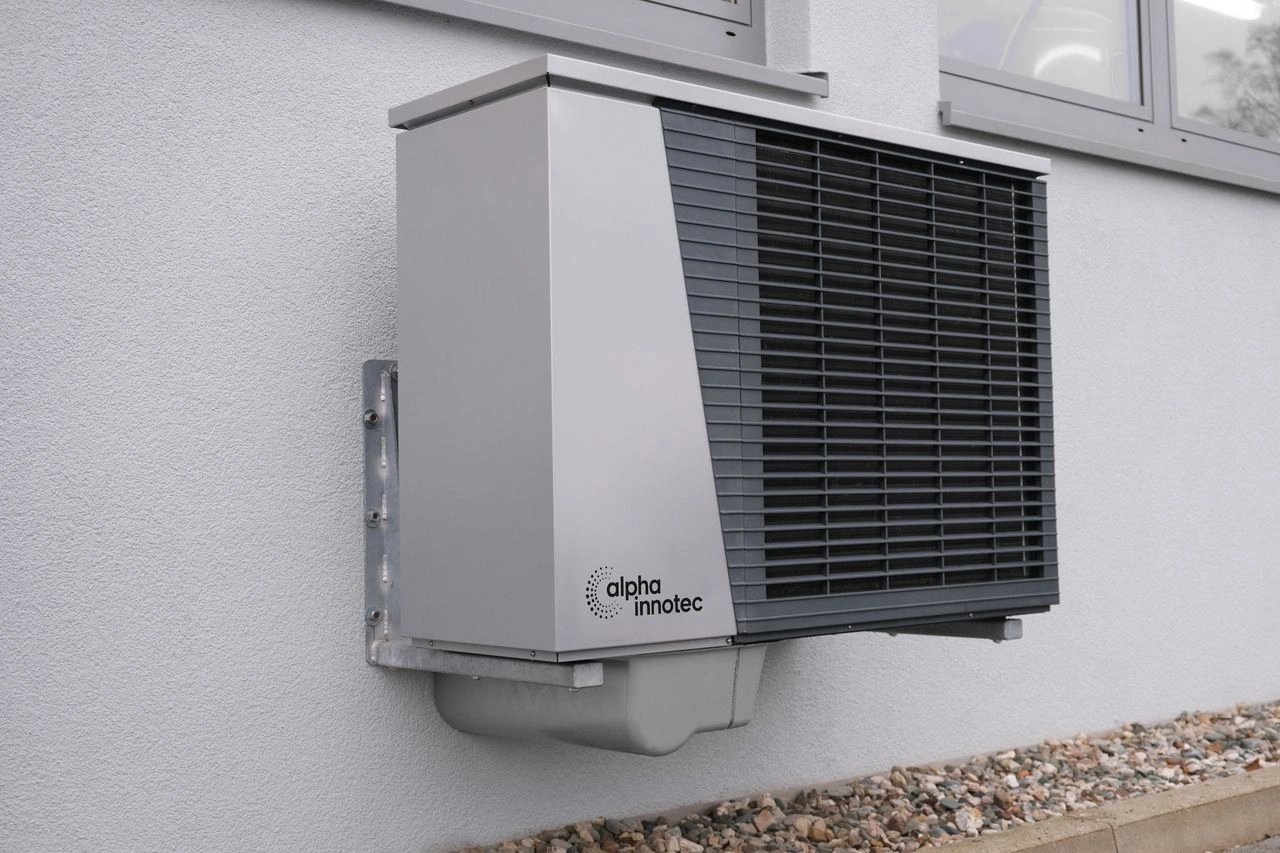
(Credit: alpha innotec via Pexels)
The gains from efficient heating include these:
Space heating and cooling account for nearly 50 percent of home energy use.
Modern furnaces reach 90 to 98 percent efficiency.
A well-maintained system lasts 15 to 20 years.
Each figure represents wasted energy avoided. Together they add up to a real, measurable difference.
What simple steps cut waste?
Several cost little or nothing. Small habits protect efficiency.
The easy steps any household can take are these 5:
Seal leaks. Close gaps around windows and doors.
Add insulation. Keep heat where it belongs.
Change filters. Swap them every 1 to 3 months.
Use a smart thermostat. Match heat to your schedule.
Service yearly. Keep the system running clean.
Each step trims waste on its own. Combined, they make a noticeable dent.
When should you upgrade or service?
Service yearly, and upgrade when age catches up. Both protect efficiency.
Regular system maintenance keeps a system near its rated efficiency for longer, which protects both comfort and running costs over the years. Once a unit passes 15 years or needs frequent repairs, a planned upgrade often pays off in lower bills and fewer breakdowns. Rebates can ease the upfront cost, as outlined in the Department of Energy guide to home energy upgrades.
The takeaway is timing. Care now delays a costly replacement later, and a planned upgrade stretches every dollar you spend.
Key Points to Keep In Mind
Heating and cooling are a major source of home emissions.
Efficiency lowers both your carbon footprint and your bills.
Modern furnaces reach 90 to 98 percent efficiency.
Heat pumps move heat and rank among the greenest options.
Sealing, insulation, and filter changes cut waste cheaply.
Yearly service and timely upgrades protect efficiency.
A greener, warmer home
Cutting your home's carbon footprint does not require sacrifice, just smarter systems. Efficient heating keeps you comfortable while using less energy, which lowers both emissions and bills. Start with simple steps like sealing leaks and changing filters, then plan an upgrade when your system ages. Add yearly service to keep everything running clean. Do that, and your home stays warm, efficient, and far kinder to the planet for years to come.
Frequently asked questions
How does efficient heating reduce emissions?
Efficient heating uses less energy to produce the same comfort, which means less fuel burned and less carbon released. Modern furnaces convert 90 to 98 percent of their fuel into heat, while heat pumps move existing heat instead of generating it. Combined with good insulation and sealing, an efficient system wastes far less energy. That reduction at the source is what shrinks your home's overall carbon footprint over time.
Are heat pumps really greener than furnaces?
In most cases, yes. A heat pump moves heat rather than burning fuel, so it can deliver several units of heat for each unit of electricity it uses. When paired with an increasingly clean power grid, that efficiency translates into much lower emissions than combustion heating. In very cold climates, a backup source may help on the coldest days, but the overall footprint is typically smaller.
What is the cheapest way to improve efficiency?
Start with sealing and insulation, which cost little and stop wasted heat immediately. Changing filters regularly and using a smart thermostat also cost very little while improving performance. These low-cost steps often deliver surprising savings before you spend on new equipment. Once the basics are handled, upgrading an aging system delivers the next big gain in both efficiency and comfort.
How often should I service my heating system?
At least once a year, ideally before the heating season begins. A yearly tune-up keeps the system near its rated efficiency, catches small problems early, and protects the manufacturer warranty. Skipping service lets efficiency slowly slip, which raises both bills and emissions. Pairing annual professional maintenance with simple homeowner upkeep, like changing filters, keeps the system running clean and efficient for its full lifespan.
Do you have suggestions for this article? Would you like to propose a guest post?
Get listed in the eco directoryGet your company listed on EcoHubMap and expand your reach in the global green economy. Who can be listed?Add an organization