How green infrastructure can prolong the useful lives of water systems
June 24, 2026
The effectiveness of water infrastructure is often assessed in terms of results – drinkable water, service reliability, and proper disposal of sewage. However, the useful lives of treatment plants, pump stations, and underground pipelines are not only dependent upon the conditions at the end of the water cycle, but on events in the area where the water flows from.
That is why preliminary consultations with engineers specializing in water treatment engineering services can be especially useful for expanding cities. Engineers can calculate expected demands, capacity for treatment, distribution, and sewage collection as well as potential water reuse. Such an approach to planning, which includes green infrastructure, provides more means of control over the water and prevents it from adding strain on costly water infrastructure.
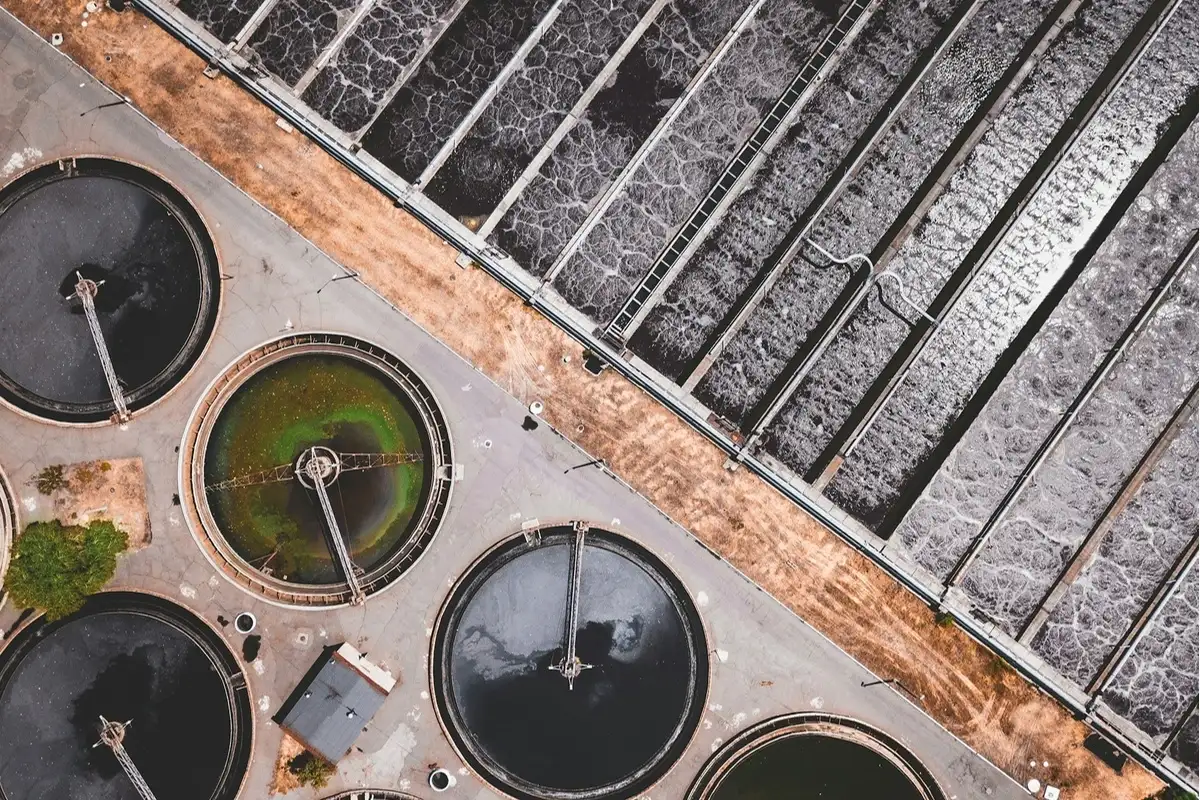
(Credit: Ivan Bandura via Unsplash)
Uncontrolled runoff: hidden costs
All roads, buildings, and parking lots modify the pattern of rainfall in one way or another. Water that once absorbed into the open soil rapidly travels over the surface. Water picks up sediment, oil and grease from the road, waste materials, and other types of pollutants before being discharged into storm sewers.
There are two related issues arising from it. One of the issues is quantity. Large amounts of water can be delivered to storm sewers or pumping stations in a relatively short time period. Another issue is the quality of the water. Polluted water either flows into rivers directly or adds load to the facilities linked with combined drainage systems.
The repeated occurrence of high flows will reduce the lifespan of infrastructure. The pumps have to work more often, there will be increased strain on the pipes, and the treatment process will have to account for the changes in the environment. There could also be accumulation of sediments in the drainage system, reservoirs, and machinery.
Building more infrastructure is costly. Building bigger pipes entails digging, closure of roads, coordination with other utilities, and lengthy construction periods. Expanding the treatment plants will also require several years in terms of planning, approvals, funding, and implementation. The green infrastructure provides another way to manage the water supply.
Water management throughout the landscape
Green infrastructure manages water in different parts of the landscape. This system does not involve moving all of the water that falls to one underground system but provides multiple points at which water can be retained, detained, filtered, or infiltrated.
A rain garden next to a business can capture the water running off the roof. Porous pavement would permit the water to move through the paved surface and get into the prepared layer of gravel and soil below. Grassed swales can convey water running down a roadside while removing sediments. Trees in the city can intercept rainwater and increase the capacity of the soil to store water.
This approach will lower the flow rate during the rainfall event. The volume of water going into the sewer will also be reduced since part of it will evaporate, help plants grow, and seep into the soil.
Useful measures for developed areas include:
Commercial and public buildings with green roofs
Rain gardens adjacent to streets and parking lots
Permeable pavement in areas with light traffic
Vegetative swales along transportation routes
Tree trenches in dense urban districts
Constructed wetlands near suitable drainage areas
Retention landscapes in parks and public spaces
Which approach is suitable varies depending on circumstances. Factors such as soil composition, groundwater levels, precipitation patterns, availability of space, maintenance capacity, and utility presence determine the design. A strategy that works in one city will need to be adapted in another city.
For that reason, engineering is essential for green infrastructure. Water storage, overflow, infiltration, and linking to the existing drainage systems have to be figured out. In the case of a super-storm, water flow must remain predictable
Preserving treatment facility capacity
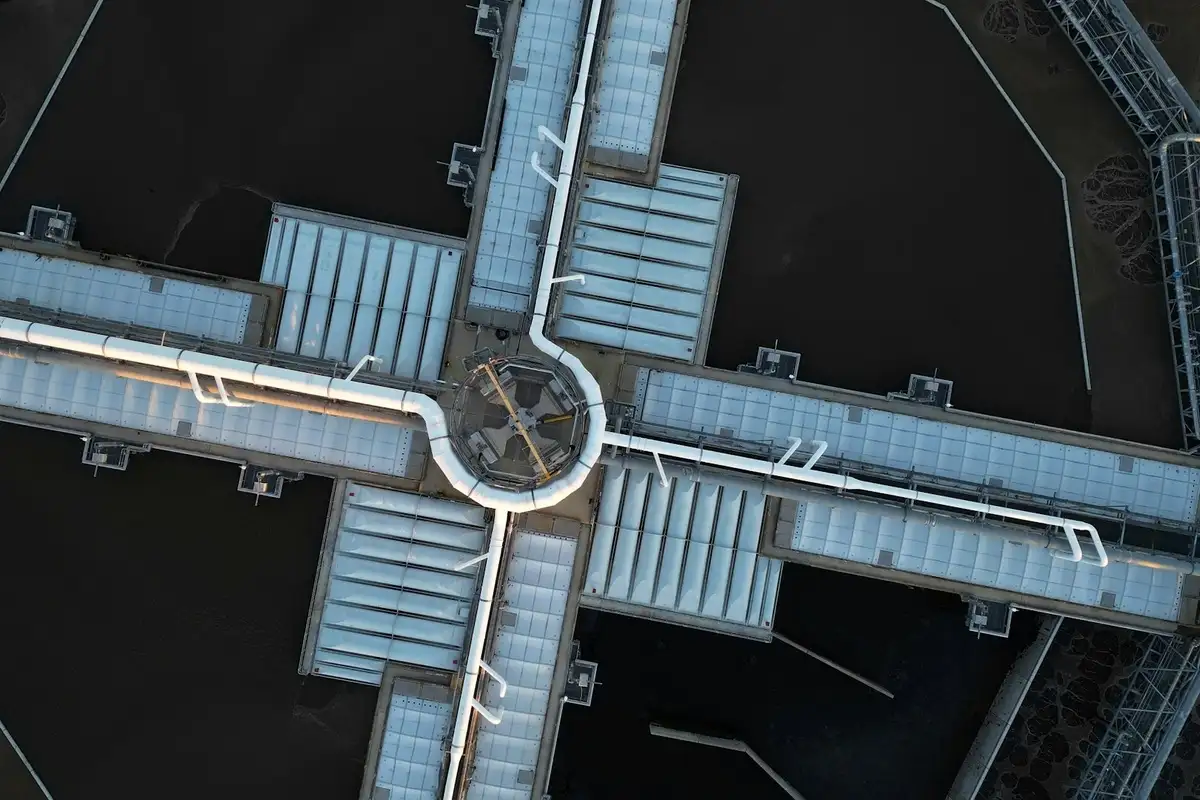
(Credit: Iain via Unsplash)Facility design is based on certain flow and pollutant loads. Exponential growth can undermine these initial premises. Construction of new homes and businesses, along with changes in climate and rainfall, leads to an increased water need and an increased amount of sewage.
Use of green infrastructure will help maintain facility capacity through managing stormwater in several places. For example, in the case of a combined sewer system, reduction of runoff helps prevent large amounts of precipitation from mixing with sewage. This results in less risks of overflow and more consistent operation of facilities.
Better water quality of upstream sources can also benefit facility operation. Sedimentation due to soil and vegetation will happen. Additionally, natural biological processes can remove some pollutants and nutrients.These systems do not replace controlled treatment, though they can reduce the amount of material reaching mechanical equipment.
More stable conditions may bring several operational benefits:
Lower stress on pumps during heavy rainfall
Reduced sediment entering drainage infrastructure
Fewer sudden changes in treatment flow
Lower overflow risk in combined systems
More predictable maintenance schedules
Additional time before major capacity upgrades are required
A second opportunity comes through water reuse. In certain cases, treated wastewater can be put to work on landscape irrigation, industrial processes, street sweeping, and so forth. Areas built for stormwater management may employ treated water during periods of drought to help sustain vegetation without using potable water.
Both sides benefit each other. The green areas help protect the wastewater facilities from precipitation, while the treated water assists the green areas when there is no rain.
Growth without constant expansion
Fast-growing communities typically have a challenging dilemma when it comes to timing issues. The community infrastructure should be prepared for the influx of people and companies but if too much is done ahead of time, there is a high cost associated with it for the budget. If nothing is done at all, it can cause an issue in the future.
An integrated water strategy allows for more options. Through engineering studies, the impacts on the community’s water, wastewater systems, and stormwater drainage can be analyzed.
For example, a planned commercial district may require new water lines and sewer connections. The same project could include landscaped retention areas, permeable parking sections, and systems for collecting roof runoff. These features may reduce the size of certain drainage components and limit the development’s effect on downstream networks.
Post-construction monitoring is critical. Sensors can be used to measure water depth, flow, soil moisture, and system performance. Inspection data can reveal if the rain garden drains well or if the permeable surface needs cleaning. Facilities can compare their incoming flows prior to and after green infrastructure projects.
This information supports better decisions about future investments. Successful designs can be repeated in other neighborhoods, while weaker approaches can be adjusted.
Infrastructure that ages more slowly
Water systems are large scale public investment projects. Pipes could be under the ground for decades, and treatment plants have to function for many years serving generations of people. These facilities are dependent not only on the quality of construction and maintenance but also on the amount and quality of the water that has to be treated.
Green infrastructure is able to protect water systems from negative influences. It controls the amount of rainfall, decreases the burden on drainage systems and minimizes pollution migration. Water treatment plants go on doing their job, applying the exact procedures for water treatment, whereas green infrastructure creates favorable conditions for them to work.
This approach also creates visible public benefits. Green streets provide shade, wetlands support biodiversity, and planted drainage areas can improve ordinary urban spaces. Residents gain a healthier environment while utilities gain additional protection for essential equipment.
Combining landscape-based water management with treatment engineering allows communities to grow more carefully. The goal is a system in which every component supports the others, extending infrastructure life while protecting local water resources.
Do you have suggestions for this article? Would you like to propose a guest post?
Get listed in the eco directoryGet your company listed on EcoHubMap and expand your reach in the global green economy. Who can be listed?Add an organization