How New Zealand balances motorhome freedom with environmental care
August 26, 2025
New Zealand has long been a dream destination for motorhome adventurers. From winding alpine passes to untouched coastlines, the country offers unparalleled landscapes accessible at your own pace.

But with freedom comes responsibility. Over the past decade, New Zealand has built a regulatory and cultural framework that preserves the thrill of motorhome travel while safeguarding its pristine environment. This balance is maintained through targeted legislation, infrastructure investment, tourism industry collaboration, and traveler education.

Leading motorhome providers in New Zealand
New Zealand offers a wide choice of rental companies catering to different budgets and travel styles. Christchurch Motorhomes is a popular South Island option, providing certified self-contained vehicles ideal for freedom camping or holiday park stays. Other well-regarded providers include Wilderness Motorhomes for premium, eco-conscious travel; Maui Motorhomes with nationwide depots and a large fleet; Britz for versatile family-friendly models; and Apollo for competitive pricing and one-way hires.

With multiple depots across both islands, these operators make it easy to start your journey in major hubs like Auckland, Wellington, or Christchurch while meeting the latest environmental standards.

The appeal and impact of motorhome travel
Motorhome touring combines mobility and accommodation, allowing travelers to stay close to nature without the constant check-in and check-out routine of traditional lodgings. In a country with vast stretches of rural and protected areas, this mode of travel offers unmatched access.

However, unrestricted camping—often called “freedom camping”—once created serious environmental challenges, from waste mismanagement to habitat damage. Recognizing the risks, New Zealand began reshaping its approach to ensure that travelers could continue enjoying this lifestyle without degrading the very landscapes they came to experience.

The legal backbone: freedom camping act and self-containment rules
The Freedom Camping Act 2011 is the cornerstone of New Zealand’s motorhome regulations. The Act permits freedom camping in public places unless specifically restricted by local bylaws. It also grants councils and the Department of Conservation (DOC) authority to impose rules, designate camping zones, and issue fines for violations.

A key component is self-containment certification, which ensures a vehicle can store fresh water, greywater, and waste for at least three days without external facilities. In 2023, standards tightened—requiring fixed toilets for certification, eliminating the loophole of removable portable toilets. By mid-2025, fines for non-compliance will reach up to NZ$2,400 for illegal camping and even higher for dumping waste in prohibited areas.

Strengthened enforcement and local Bylaws
Environmental pressures vary by region, so local councils tailor rules to suit their ecosystems. Some limit freedom camping to designated areas, others prohibit it near sensitive habitats, and some require paid overnight stays in approved campgrounds.

Enforcement officers now patrol popular sites more frequently, issuing on-the-spot NZ$200 fines for minor infringements and escalating penalties for serious offenses like greywater discharge in public areas. This multi-tiered enforcement keeps the system fair for both responsible travelers and the communities hosting them.

Infrastructure to support responsible travel
New Zealand’s motorhome-friendly infrastructure is central to balancing freedom and care. Hundreds of public dump stations allow travelers to dispose of wastewater legally and hygienically. Many are located near popular routes, reducing the temptation for improper disposal.

Public toilets, recycling points, and potable water taps are widely available. Digital tools like CamperMate and Rankers map these facilities alongside campsite rules, ensuring travelers can plan routes that remain compliant and environmentally sound.

The cultural foundation: Kaitiakitanga
Regulations alone don’t create stewardship—culture does. Kaitiakitanga, a Māori principle of guardianship, underpins New Zealand’s environmental ethic. It promotes the idea that humans are not separate from nature but part of it, entrusted with protecting land, water, and wildlife for future generations.

This philosophy influences everything from national park management to tourism campaigns, urging travelers to see themselves as caretakers rather than consumers of the environment.

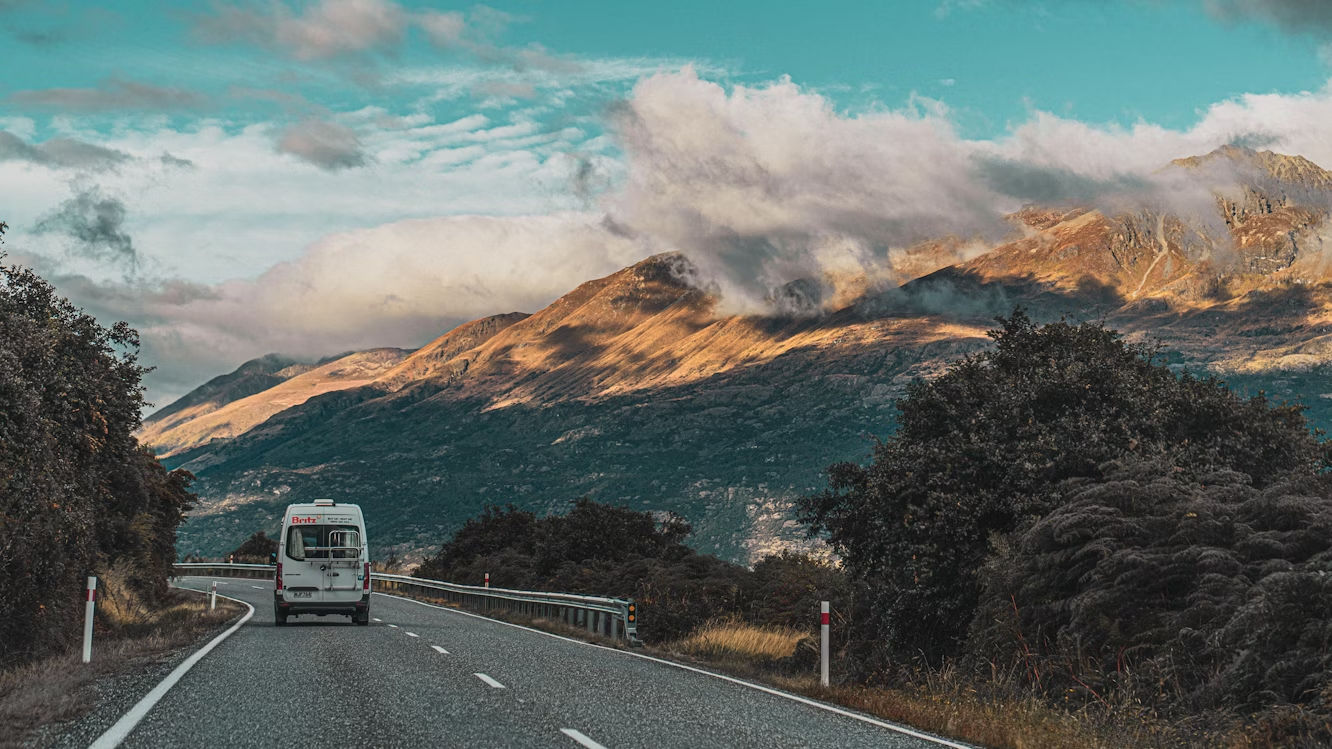
(Credit: Masa Hu via Unsplash)
The role of motorhome rental companies
Commercial operators have become vital partners in New Zealand’s sustainable travel model. Companies like Wilderness Motorhomes incorporate environmental donations into bookings, supporting native reforestation through programs like Trees That Count. Maui Motorhomes invests in fuel-efficient fleets and traveler education, providing guides on proper waste disposal and camping etiquette.

By embedding sustainability into their business models, these companies help normalize eco-conscious behavior among international visitors who may be unfamiliar with local expectations.

Best Practices For Travelers
Sustainable motorhome travel depends as much on individual responsibility as it does on laws and infrastructure. Travelers can minimize their impact by following key practices:

● Use certified self-contained vehicles — essential for legal freedom camping and reducing environmental strain.

● Plan waste disposal stops — use official dump stations every two to three days.

● Follow local signage — bylaws vary between councils, so rules in one region may not apply in another.

● Leave no trace — remove all rubbish, avoid damaging vegetation, and keep noise levels low.

● Support local conservation efforts — through voluntary donations or participation in cleanup initiatives.

These steps protect fragile ecosystems and preserve the trust between travelers and host communities.

Adapting to the December 2023 law changes
The updated  Self-Containment Standard NZS 5465:2001 now demands more robust facilities in motorhomes, including fixed toilets and sealed tanks for greywater. This change is aimed at reducing the likelihood of illegal waste disposal in natural areas.

Travelers hiring vehicles should verify that their rental meets the latest certification requirements. Failure to do so not only risks fines but may also limit where they can legally stay. The stricter approach reflects a shift towards quality over quantity in tourism—prioritizing fewer but more responsible visitors.

The environmental benefits of motorhome travel done right
When approached sustainably, motorhome travel can reduce the environmental footprint of tourism. Combining transport and accommodation into a single unit lowers overall infrastructure demand. Modern diesel and hybrid engines emit less than older fleet models, and the ability to camp close to attractions can reduce the need for long daily drives.

Furthermore, travelers who shop locally and use smaller community-run campsites directly support regional economies, creating a positive feedback loop between tourism and conservation.

Challenges Ahead And The Path Forward
Despite progress, challenges remain. Popular destinations like Queenstown, Wanaka, and parts of the Coromandel Peninsula still experience seasonal strain on resources. Remote areas can suffer from inadequate enforcement due to staffing limitations. The government continues to explore ways to expand infrastructure funding, possibly through visitor levies or targeted permits for high-demand zones.

Meanwhile, industry groups and environmental NGOs are pushing for increased traveler education at the point of entry—ensuring visitors understand expectations before they hit the road.

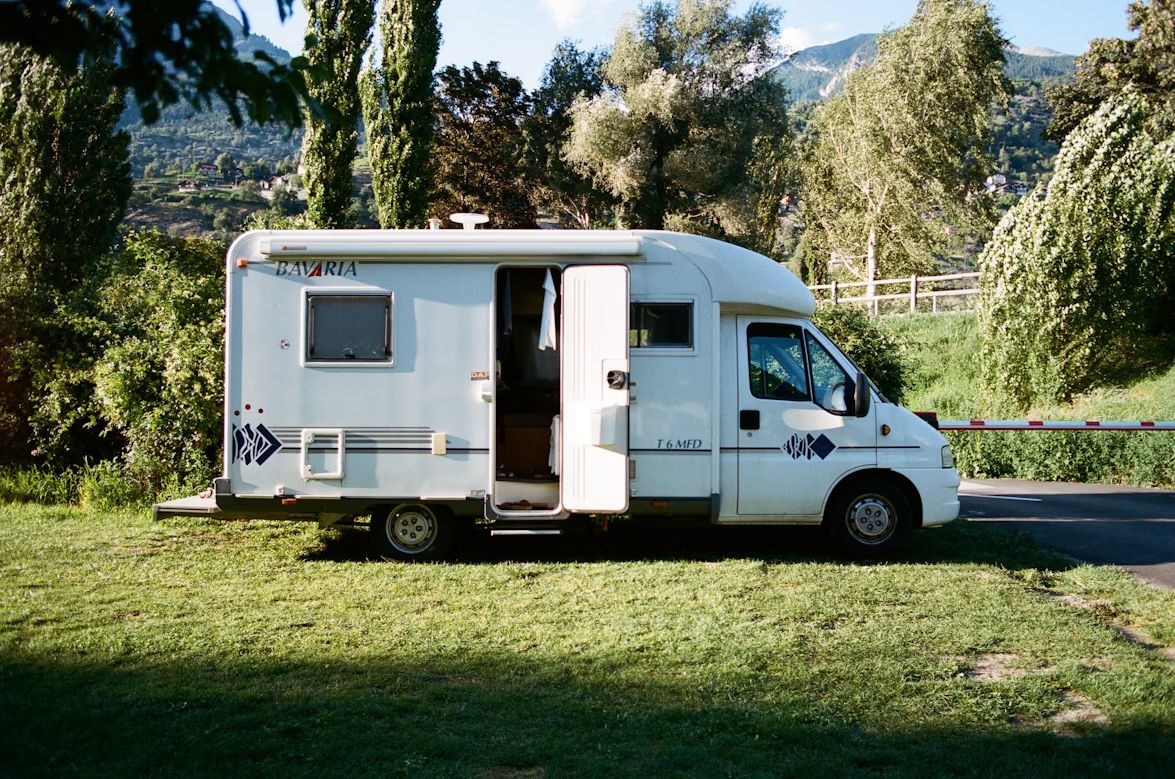
(Credit: Lucas Favre via Unsplash)
Endnote
Motorhome travel in New Zealand is more than a way to see the country—it’s a test of how freedom and responsibility can coexist. Through updated laws, improved infrastructure, cultural stewardship, and collaboration with the tourism sector, New Zealand has created a system that respects both traveler independence and environmental integrity.
Do you have suggestions for this article? Would you like to propose a guest post?
Get listed in the eco directoryGet your company listed on EcoHubMap and expand your reach in the global green economy. Who can be listed?Add an organization