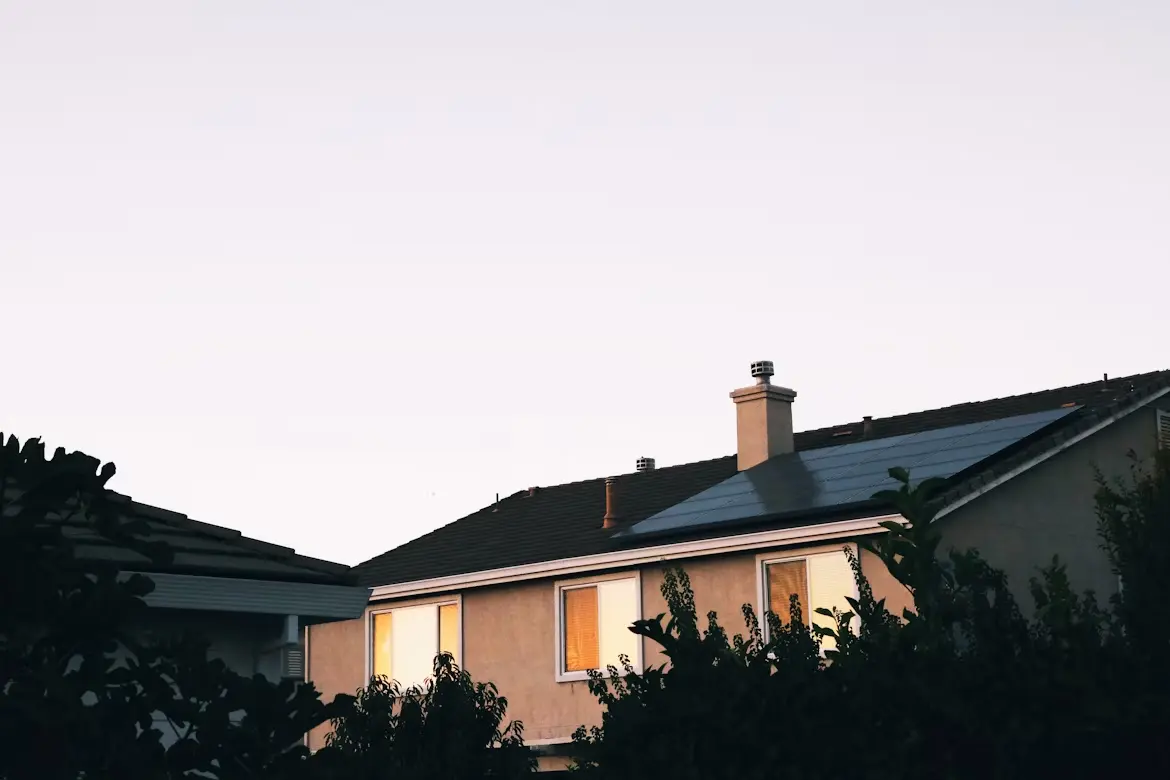
How rooftop solar is changing the way homes use power
June 19, 2025
Sustainability starts with smart planning. Today, rooftop solar isn’t an add-on—it’s a foundational piece of sustainable homebuilding. By incorporating solar from the architectural phase, homeowners optimize not just energy performance but also design, material efficiency, and cost-effectiveness.

One popular method is Building-Integrated Photovoltaics (BIPV), where solar cells replace roofing tiles or cladding. This approach cuts down on construction materials and enhances the building’s visual appeal.

Communities like Solar Settlement at Schlierberg in Germany showcase this philosophy. Homes there produce more energy than they use, earning “PlusEnergy” status. In Sharjah Sustainable City in the UAE, solar rooftops paired with smart systems have reduced household utility bills by over 50%.
Lowering Energy Bills And Boosting Property Value
Rooftop solar significantly cuts electricity bills. A typical American household can save between $1,000 and $1,500 annually which is a life-saver when you’re building a sustainable home. Over 25–30 years—the average lifespan of a solar system—this translates to savings of $25,000–$45,000 depending on state energy rates. Many homeowners recoup their solar investment within 10–12 years. On top of that, studies have shown that homes with solar sell faster and for more—averaging a $15,000 price premium.

This added value makes solar a top-tier upgrade, comparable to kitchen renovations or additional bathrooms. Real estate buyers increasingly look for energy-efficient properties, and in hot markets like California and Arizona, solar-equipped homes are often in higher demand. Even in colder climates, where sun exposure may be reduced, smart solar design and federal incentives make rooftop installations cost-effective and appealing.

Cutting carbon emissions at the source
Solar energy is one of the cleanest power sources available. While grid electricity often comes from fossil fuels, rooftop solar systems emit zero operational CO₂. Over its lifetime, a typical residential system offsets approximately three to four metric tons of carbon dioxide annually—equivalent to planting more than 100 trees every year.

In a neighborhood-wide context, these savings multiply rapidly. Take Chandigarh, India, for example: with more than 6,600 rooftop systems in place on government buildings, the city is cutting around 80,000 metric tons of CO₂ each year, while also saving significant utility costs. As more communities push for climate resilience, home solar becomes not just a personal choice but a contribution to global carbon reduction.

Gaining energy independence and outage resilience
Adding battery storage transforms rooftop solar from a daytime-only system into a 24/7 backup solution. With technologies like Tesla Powerwall or LG Chem, homeowners can store excess electricity and tap into it during grid outages or peak pricing hours. In areas prone to extreme weather or unstable power infrastructure, solar plus storage offers a lifeline.

For instance,  BrightBuilt Barn in Maine operates as a net-positive home that often sells electricity back to the grid. In California, neighborhoods like Stone Edge Farm function as semi-independent microgrids—powering homes even during utility blackouts. The ability to generate and manage your own power is no longer theoretical—it’s a practical and increasingly affordable option.
Enhancing Efficiency With Smart Design Integration
Rooftop solar thrives when paired with complementary energy-saving features. Smart thermostats, LED lighting, heat pumps, and induction stoves all reduce baseline consumption, making solar power go further. Homes that include green roofs see improved solar performance, with lower ambient temperatures increasing panel efficiency by up to 13%.

Passive solar orientation, high-performance windows, and superior insulation reduce the need for artificial heating and cooling. This synergy between architecture and energy system design results in homes
that are not only more efficient but also more comfortable and modern. Rooftop solar acts as the power core of a well-tuned, eco-conscious home and can integrate seamlessly with Microgrid Systems for greater energy reliability.


Becoming more affordable In 2025
Solar technology is now more affordable than ever. Thanks to falling panel prices and generous government incentives, rooftop solar has entered the mainstream. In the United States, the federal Investment Tax Credit (ITC) still offers a 30% rebate on system costs. In the UK and parts of the EU, low-interest financing and grants are being expanded to assist middle- and low-income households with installations.

Globally, solar costs have declined by more than 80% over the last decade. In 2025, solar generation is expected to increase by over 30%, driven by improvements in efficiency and large-scale deployment. Countries like Australia, Germany, and the Netherlands are leading rooftop adoption, but momentum is growing everywhere, including in developing nations.

(Credit:Photo by Giorgio Trovato on Unsplash)

Creating jobs and supporting local economies
Beyond environmental benefits, solar power stimulates job growth. The solar industry now employs more workers in the U.S. than coal, and globally supports over 4 million jobs across manufacturing, installation, maintenance, and logistics. Every rooftop system installed generates work for electricians, roofers, suppliers, and engineers.

Additionally, solar installations often utilize local labor and materials, recirculating investment within communities. In cities adopting municipal solar programs, savings are often reinvested into schools, infrastructure, or other green projects. As solar demand rises, workforce development programs are helping to train new workers—many from underrepresented groups—for careers in clean energy.
Government Support And Future Regulations
Policymakers worldwide are now recognizing the strategic value of distributed solar. California’s Title 24 building code already mandates solar on most new homes. Ireland plans to require solar readiness for all new buildings by 2026. In the UK, new grants are being issued in 2025 for rooftop systems and battery storage.

Community solar initiatives also allow renters and apartment dwellers to benefit from solar energy without direct installation. And in many U.S. states, net metering laws allow homeowners to sell excess electricity back to the grid, reducing payback periods and incentivizing adoption. As these policies grow stronger, solar will no longer be optional—it will be standard.

Wrapping up
The way we power homes is evolving—fast. Rooftop solar is no longer a futuristic option; it's a smart, present-day solution. It cuts bills, increases property value, supports climate goals, and builds energy security. And with 2025’s favorable incentives, falling costs, and new technologies, there’s never been a better time to transition.

Whether you're building new or retrofitting an older property, rooftop solar offers more than clean power—it offers peace of mind. The future of home energy is decentralized, efficient, and sustainable. And it all begins on the roof.
Do you have suggestions for this article? Would you like to propose a guest post?
Get listed in the eco directoryGet your company listed on EcoHubMap and expand your reach in the global green economy. Who can be listed?Add an organization