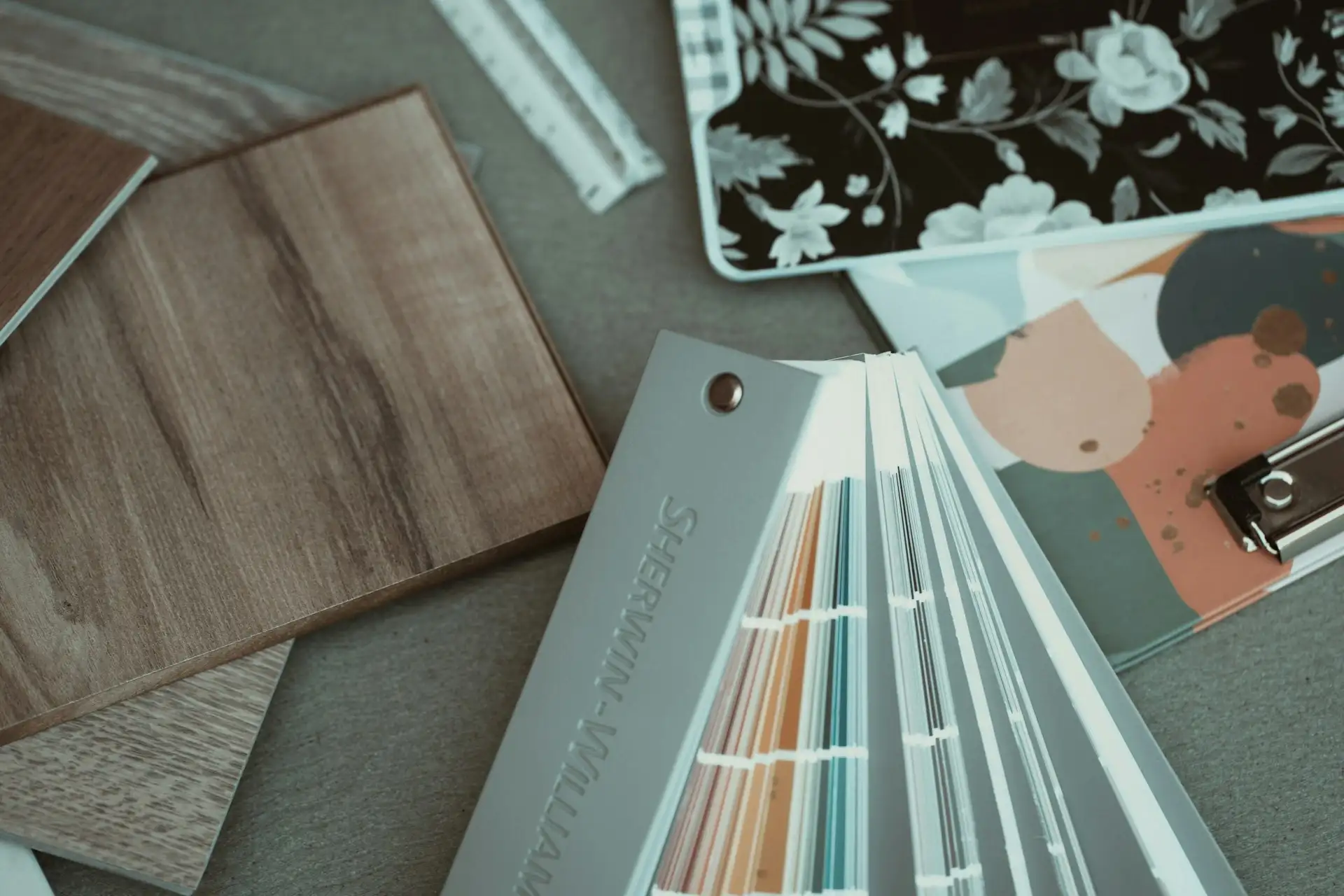
Flooring is a big surface, so its footprint adds up fast. The material you pick shapes how much waste your home makes over decades. It also affects indoor air, repair bills, and how often you replace it. Smart choices here save money and trees at the same time.
(Credit: Spacejoy via Unsplash)You do not need a premium budget to floor a home responsibly. American-made flooring from Really Cheap Floors shows how durable hardwood and vinyl can stay affordable. The trick is matching the material to the room and the wear it will face. A floor that lasts 30 years beats three cheap floors that do not.
What makes a floor more sustainable?
Sustainability starts with how long a floor survives. A durable floor keeps material out of the trash for decades. That single fact outweighs most marketing claims about green flooring.
Sourcing matters next. Wood grown and milled in the United States travels shorter distances. That cuts the fuel burned to move heavy boxes across oceans. Domestic mills also follow strict forestry and labor rules.
Indoor air is the third factor. Some floors give off chemicals for months after install. The EPA sets formaldehyde limits for composite wood products, which cover many engineered and laminate floors. Checking for compliant products protects your family and the planet.
Solid hardwood, engineered, or vinyl plank?
Each option carries a different eco profile. The right pick depends on your room and budget. Here is how the three compare.
Solid hardwood lasts the longest and refinishes many times. It suits living rooms and bedrooms with steady humidity.
Engineered hardwood uses less premium wood per plank. It handles basements and concrete slabs better than solid boards.
Luxury vinyl plank resists water and costs the least upfront. It fits kitchens, baths, and busy entries.
Solid hardwood wins on lifespan when cared for. A single floor can serve two or three generations. Engineered wood offers a real wood surface over a thinner wood core.
Vinyl plank is the budget choice for wet rooms. It is not biodegradable, so longevity is how you keep it green. Pick a thick wear layer so it lasts many years, not a few.
Price shapes the choice for most homeowners. Vinyl plank often starts near $2 per square foot. Engineered wood tends to run $3 to $6. Solid hardwood usually lands at $4 to $8, yet lasts far longer. A 200-square-foot room might cost $1,500 to $2,500 installed.
How does longevity cut waste and cost?
A floor you replace often is both costly and wasteful. Every teardown sends old material to a landfill. It also means paying for labor and disposal again and again.
(Credit: Janay Peters via Unsplash)Solid hardwood breaks this cycle. You can sand and refinish it several times over its life. A worn floor looks new again after a screen and recoat. That refresh costs far less than a full replacement.
The math favors durable floors over the long run. A cheap floor may cost less today but wear out in a decade. Replacing it twice can top the price of one lasting floor. You also pay for new labor and haul-away with each swap. Fewer replacements mean less spending and less material sent to the dump.
Longevity also fits the wider move toward greener homes. Interest in eco-friendly structures keeps rising among buyers and builders. A floor that lasts decades supports that goal without a premium price. Buying once is almost always cheaper than buying twice.
Where does your flooring come from?
Origin tells you a lot about a floor's true cost. American-made hardwood supports domestic forests managed for regrowth. It also skips the long ocean journey that imported flooring takes.
Certification adds another layer of trust. Groups like the Forest Stewardship Council verify that wood comes from responsibly managed forests. Look for that mark when you compare hardwood options. It confirms the sourcing behind the price tag.
Refinishing keeps the value local too. When you refresh a floor, you skip the whole manufacturing and shipping chain. Many homeowners now weigh these points, much like they vet eco-renovation companies before a remodel. Asking where a product is made is a fair first question.
Budget eco-flooring at a glance
Longevity is the biggest green factor, so buy a floor that lasts.
Solid hardwood refinishes many times and can serve generations.
Engineered wood suits slabs and basements with less premium wood.
Vinyl plank fits wet rooms, and a thick wear layer extends its life.
American-made flooring cuts shipping distance and supports local mills.
Check emissions limits and forestry certification before you buy.
Choosing a floor that lasts
The greenest floor is often the affordable one you never have to replace. Start with the room and the traffic it sees. Match a durable material to that use, then check the sourcing and emissions. Solid hardwood rewards patience with decades of service and easy refinishing. Buy well once, care for it simply, and both your budget and the planet come out ahead.
Frequently asked questions
Is vinyl plank an eco-friendly flooring choice?
Vinyl is not biodegradable, so it is not the greenest option on its own. Its strength is durability and water resistance in tough rooms. Choose a thick wear layer so it lasts for many years. A long life is what keeps vinyl out of the landfill.
How many times can you refinish hardwood floors?
Solid hardwood can be refinished several times across its life. Most floors handle four to six sandings before the wear layer thins. A lighter screen and recoat can be done even more often. That is why solid wood outlasts almost every other floor.
Does american-made flooring cost more?
Not always, and often it costs about the same. Domestic mills skip long ocean shipping, which can offset higher labor costs. You also gain shorter lead times and clearer sourcing. Compare total value, not just the sticker price.
What flooring is best for a tight budget?
Luxury vinyl plank usually costs the least to buy and install. Engineered hardwood gives a real wood look for a mid-range price. Solid hardwood costs more upfront but saves money over decades. Match the choice to the room and how long you plan to stay.
Do you have suggestions for this article? Would you like to propose a guest post?
Get listed in the eco directoryGet your company listed on EcoHubMap and expand your reach in the global green economy. Who can be listed?Add an organization