Managing large community ponds through a practical maintenance plan
October 16, 2026
Maintaining a large pond without constant reactive labor comes down to three early decisions: sizing aeration to the pond's actual depth and acreage, building a simple inspection routine, and running the system on timers. A one-acre pond is the working example here, but the same workflow applies to any managed common-area or commercial pond from a quarter acre up.
Why a one-acre pond is a system
Without a management plan, well-built ponds accumulate muck along shallow edges, develop circulation dead zones, and lose dissolved oxygen in lower layers during summer heat. These conditions lead to odor and appearance complaints that land on the property manager's desk.
Why pond dimensions drive aerator sizing
Aerator sizing does not transfer between ponds. A system matched to a half-acre pond six feet deep may underperform in a one-acre pond with a much deeper basin or strong thermal stratification, where a warm surface layer isolates the bottom water from the atmosphere.
The variables that matter are surface acreage, depth, shape, sun exposure, and available power. A pond split into coves or irregularly shaped may need extra diffusers to cover low spots.
Everblue Pond explains what size aerator for 1 acre pond to consider based on actual depth and shape. Aerator selection should follow the pond's depth, shape, and operating conditions, with the final system choice confirmed against current manufacturer guidance.
Key Insight: Correct aerator sizing is not transferable across ponds. Acreage, depth, shape, sun exposure, and power access determine the right system.
Equipment options for large ponds
Bottom diffused systems use a shore-mounted compressor to drive air through weighted tubing to diffuser plates on the pond floor. Surface aerators use float-mounted motors to spray water across the surface, and they are easy to check from shore.
Aerating fountains add a decorative spray where aesthetics matter, but they are not a substitute for full-depth aeration in deep ponds. Timers automate run schedules, including overnight hours when dissolved oxygen is often lowest.
What regular inspection actually looks like
A standard walkthrough covers five items: water clarity, surface scum, odors, shallow muck, and equipment status. Each check is short and folds into an existing maintenance route.
In ponds loaded with algae, dissolved oxygen can drop to hypoxic or anoxic conditions in the early morning or after several days of calm, cloudy weather. If fish surface repeatedly near the aerator, they may be struggling to get enough oxygen.
Visual inspection is a first layer, not a substitute for formal testing with a portable meter or sampling kit. Low dissolved oxygen can stress or kill fish, so repeated surfacing or other warning signs should prompt professional testing and assessment.
Warning/Important: Fish surfacing repeatedly near the aerator is a potential low-oxygen signal, not a curiosity. Persistent foam or a non-cycling aerator warrants a written note and a closer equipment check.
Record keeping practices that pay off
At each inspection, record the date, weather, water appearance, odor level, surface activity, and equipment run times, plus any error codes, treatments, and who performed the check. A history of entries supports equipment decisions and documents stewardship if a complaint or regulatory inquiry escalates. Keep installation specifications, manuals, and warranty documents in one file per pond.
Scheduling a professional assessment
Aeration equipment and routine maintenance do not replace professional environmental assessments, because aerators cannot audit nutrient balance.
Schedule an evaluation before installing aeration in an unassessed pond, when water quality changes persist, or after a fish mortality event. Check local requirements for how often a formal evaluation is needed.
Ongoing seasonal operating requirements
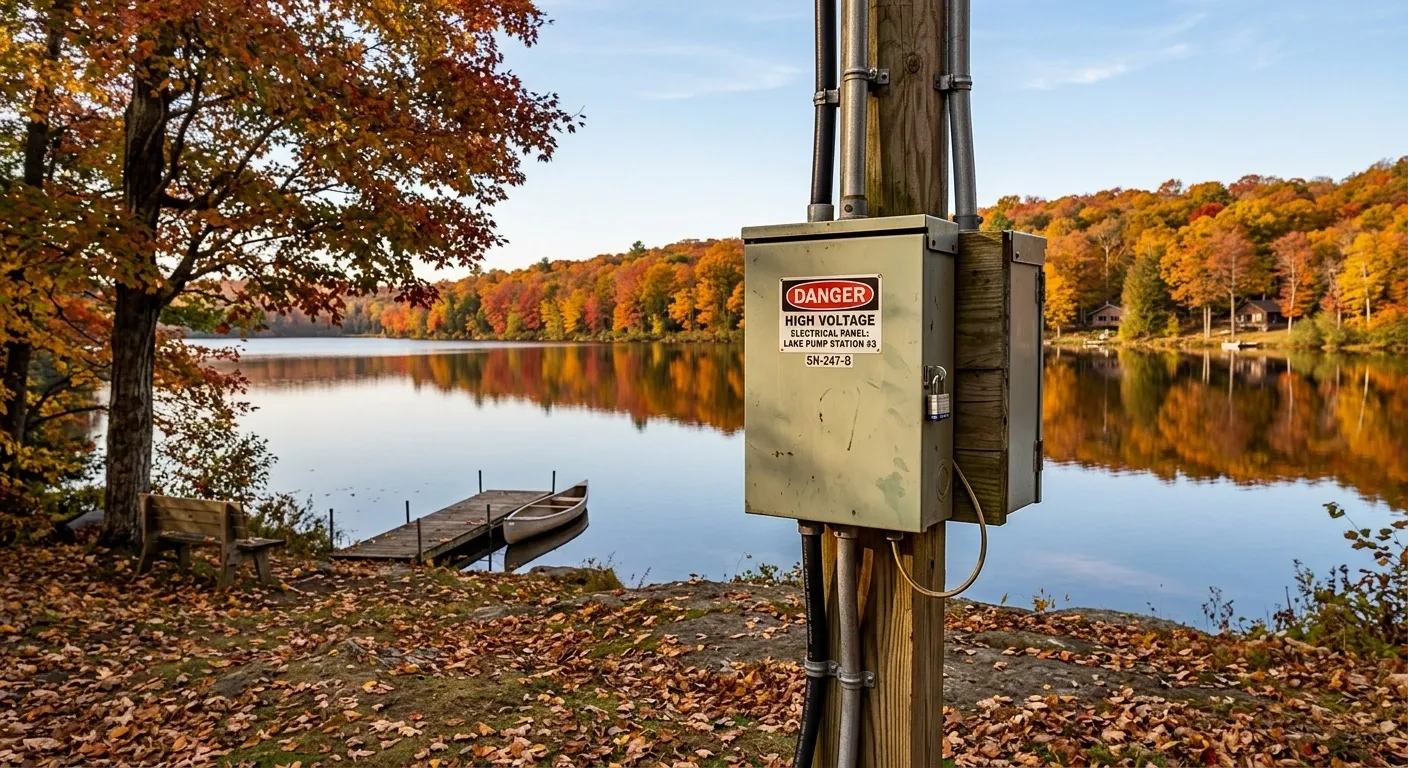
(Credit: Visual concept generated by EcoHubMap with AI)In spring, inspect diffuser plates, tubing, and the compressor cabinet; check for ice damage, then restart on a timer and log the date.
In summer, when warmer water holds less oxygen, confirm the system runs its full schedule.
In fall, reduce run times as the water cools and order replacement parts early, since lead times can be long.
Follow manufacturer shutdown procedures when winterizing, and check the manufacturer's warranty terms.
The path forward
A one-acre pond runs best when the mechanical variables are right from the start. Correct sizing, regular inspections, and a reliable logbook turn crisis response into scheduled maintenance.
Do you have suggestions for this article? Would you like to propose a guest post?
Get listed in the eco directoryGet your company listed on EcoHubMap and expand your reach in the global green economy. Who can be listed?Add an organization