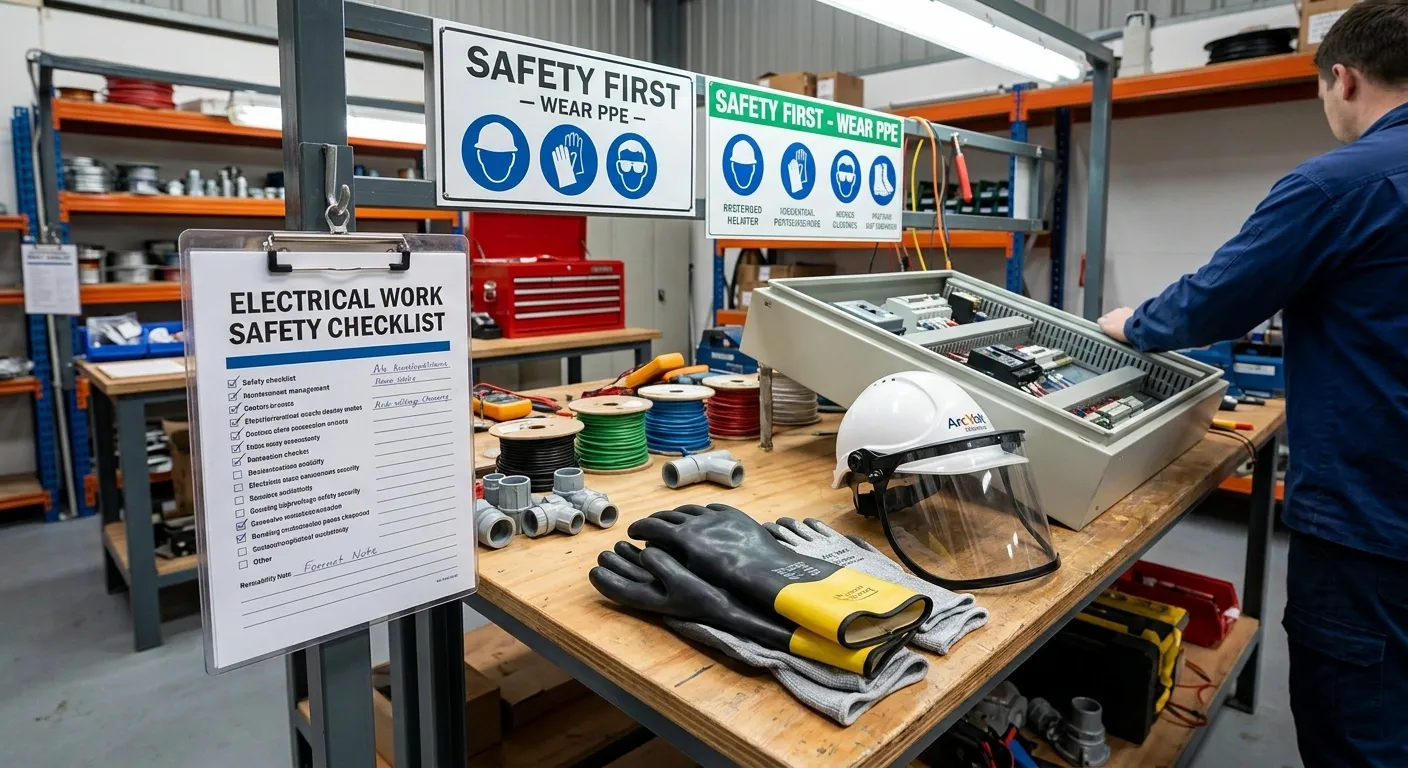
Preparing the electrical workforce for sustainable building projects
October 16, 2026
Preparing electricians for sustainable building projects takes more than field hours. The Bureau of Labor Statistics notes that electricians will continue to be needed to link power generation systems, including solar and wind, and their work follows state and local regulations based on the National Electrical Code.
A practical approach combines four things: structured learning, qualified supervision, clear jurisdiction requirements, and time for exam preparation alongside work.
Start with structured learning
Field hours build speed and repeatable habits. Structured learning explains why a code rule exists, what hazard it addresses, and how to apply it when job-site conditions differ from the textbook. Most electricians learn the trade in a four- or five-year apprenticeship that pairs paid on-the-job training with technical instruction.
An apprentice who logs many field hours without structured instruction can handle familiar tasks but may struggle when a code question falls outside that experience. Workers who understand the reasoning behind the rules are better placed to avoid rework and flag safety concerns early.
When reviewing a training program, check that its curriculum covers the National Electrical Code and the state's own requirements, and that classroom time is scheduled alongside field work rather than squeezed in after shifts.
Make room for exam preparation
An electrician preparing for a licensing exam is also working full shifts and managing life outside the job. Leaving exam preparation to whatever hours remain can slow advancement for the whole crew. Acknowledge exam timelines early in the apprenticeship calendar, and build flexibility around test dates into the weekly plan. During slower production periods, set aside short, structured study time.
Each apprentice should also have planned study resources that match their exam type and state. For the code-application practice that licensing exams test, Dakota Prep NEC exam practice for developing electrical skills offers practice questions with state-specific content and progress tracking on web and mobile, which suits short study sessions between shifts. Pairing that with a realistic weekly schedule makes the process manageable.
Qualified supervision makes the difference
(Credit: Visual concept generated by EcoHubMap with AI)Qualified supervision is a set of active behaviors, not a job title. A journeyman or master electrician who mentors explains decisions in the field, models code compliance, and turns ordinary tasks into teachable moments. A supervisor who only assigns work and checks completion produces workers who can repeat familiar tasks but stall when conditions change.
Match newer workers to mentors based on skill gaps and working style rather than random availability, and treat mentorship as a documented function instead of an informal favor
Key Insight: Set a defined weekly teaching window for each mentor, separate from production supervision. Planned instruction time is what turns everyday tasks into training.
Keep jurisdiction requirements clear
Workers sometimes learn too late that they prepared for the wrong exam or the wrong code cycle. Most states require electricians to pass a test and be licensed, and the tests cover the National Electrical Code as well as state and local codes. Name the exam each apprentice is working toward at the start of the program, and brief workers before they take on project work in another state.
A one-page reference summarizing the local licensing path gives workers a planning anchor that does not rely on memory or rumor.
Warning/Important: Preparation for one state's exam may not transfer to another. Confirm the exam type, applicable code edition, and field-hour requirements with the state licensing board before a worker relocates or starts studying.
The path forward
These four elements work as a system. An apprentice with strong field hours but no exam preparation support may stall before the journeyman test, and a worker with clear requirements but no mentor has a map and no guide.
For training directors, the most practical starting point is an honest look at which element is weakest in the current program. Fix that one first, then build on it. Sustainable building projects call for electricians who can apply code with confidence, and that confidence comes from steady, planned preparation.
Do you have suggestions for this article? Would you like to propose a guest post?
Get listed in the eco directoryGet your company listed on EcoHubMap and expand your reach in the global green economy. Who can be listed?Add an organization