Preserving Iceland’s distinct ecology through eco-tourism
August 26, 2025
Iceland’s raw, unfiltered beauty—from jagged coastlines and moss-draped lava fields to glacier-carved valleys and hot, steaming geysers—draws visitors from every corner of the globe. But that very beauty is exquisitely delicate. The surge in tourism over the past decade threatens the fragile ecosystems that define Iceland’s character. That’s why eco‑tourism in Iceland isn’t just a buzzword—it’s an urgent imperative.
The struggle is real: tourism accounted for over 33% of Iceland’s GDP as of 2019, making it the nation’s most vital export sector by far . With tourist arrivals jumping dramatically—from just a few hundred thousand in the early 2000s to over two million by the mid‑2020s—managing this influx without degrading the very landscapes people come to admire has become critical.
At the heart of Iceland’s eco‑tourism strategy lies balance: strengthen the local economy, share the benefits sustainably, and protect the pristine nature that defines the nation’s identity.
Finding Iceland car rental services
One of the most impactful ways for travelers to minimize their footprint while exploring Iceland responsibly is thoughtful transportation. Eco-conscious options are offered at goiceland.com — fuel‑efficient vehicles, hybrids, and shared campervans—helping adventurers navigate the dramatic landscapes of Iceland with minimal emissions.
Perhaps more importantly, Go Iceland equips customers with route advice that protects delicate areas, reminding them to remain on designated roads and avoid off-road detours that can inflict lasting damage on fragile moss and soil systems—some of which take decades to recover.
Combining smart vehicle choices with conscientious driving forms the first thread of Iceland’s broader tapestry of sustainable travel.
Eco-tourism policies and practices: protecting Iceland’s natural wealth
1. "Leave No Trace" & The Icelandic Pledge
The cornerstone of responsible travel: Iceland’s “Leave No Trace” mantra is paired with the Icelandic Pledge—a traveler’s commitment to tread lightly, stay on marked trails, not litter, respect wildlife, and camp only in approved locations
2. Infrastructure that respects the land
Popular destinations like Seljalandsfoss and Jökulsárlón have parking fees, with proceeds funneled into maintaining sustainable visitor infrastructure—boardwalks, pathways, and erosion controls—to protect the landscape from overuse.
3. Distributing tourism seasonally and regionally
By promoting low‑season travel and encouraging longer stays, Iceland is actively working to lessen congestion during peak months and spread economic benefits more evenly throughout the year.
4. Grounded in science: Skálanes nature & heritage centre
Located in East Iceland, Skálanes protects 1,250 hectares of wilderness. It’s a living laboratory, collaborating with international researchers to study native flora and fauna, reforest birch and willow groves, manage invasive lupin species, and develop trails that safeguard the landscape
5. Community-driven conservation: arctic fox centre
In the Westfjords, the non-profit Arctic Fox Centre in Súðavík educates visitors about Vulpes lagopus, Iceland’s only native land mammal. With research exhibitions and community outreach, it blends ecotourism with species preservation.
6. Renewable energy as a tourist draw
Iceland’s commitment to clean energy—hydroelectric and geothermal—powers nearly all national needs, including tourist attractions. The Hellisheiði geothermal power plant offers interactive exhibits to explain how nature’s heat is harnessed; the Blue Lagoon’s soothing waters are a byproduct of nearby plant runoff.
Geothermal-powered greenhouses, like Friðheimar, allow year-round produce cultivation in a harsh climate, showcasing a synergy between sustainability and tourism
7. Sustainable accommodations
Sustainably minded lodging is on the rise. A notable example is Gróðurhúsið (The Greenhouse)—a boutique, geothermally heated retreat south of Reykjavík. Its eco-friendly design uses recyclable materials and carries BREEAM certification; rooms start at under $200 and are complemented by dining and wellness spaces crafted from local heritage products
8. Economic instruments: tourism taxes for infrastructure
To fund sustainable development and manage overtourism, Iceland introduced a tourist tax in 2024, covering hotel stays and cruise disembarkations. The go al: maintain carbon neutrality by 2040 while offsetting tourism-related environmental pressures.
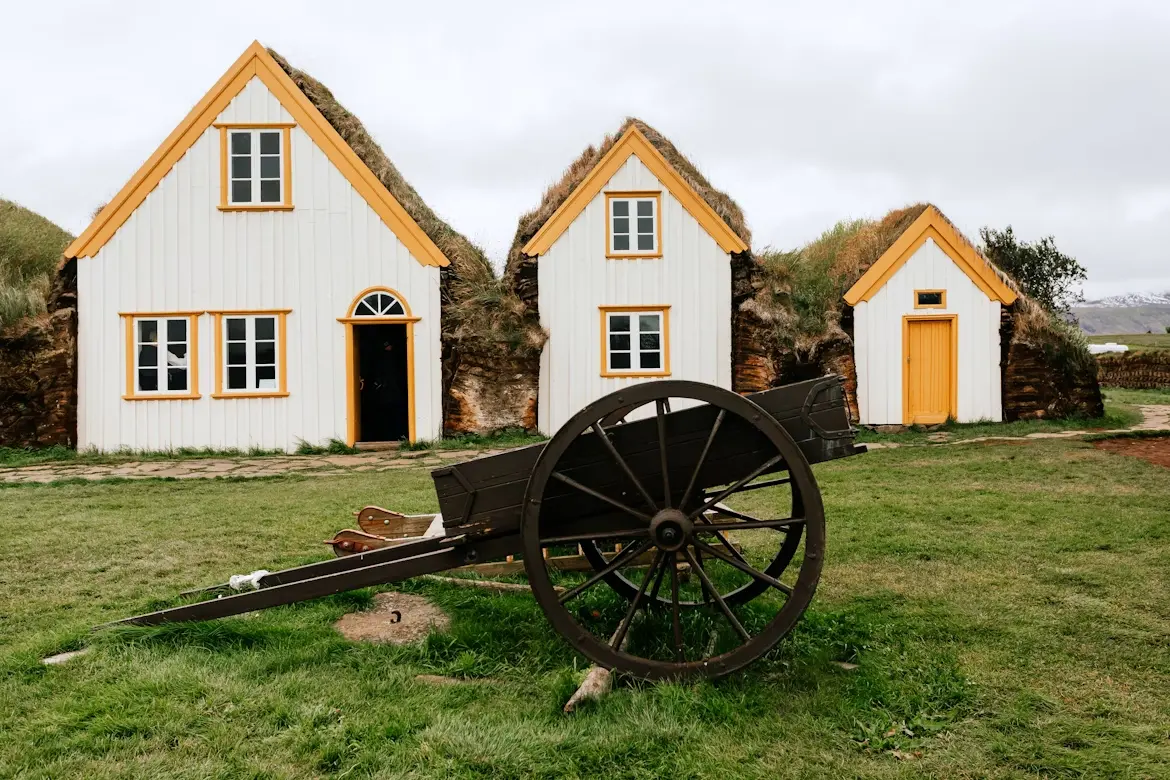
(Credit:Julia Андрэй via Unsplash)
Eco‑tourism in Iceland thrives at the nexus of its green energy revolution and environmental ethos. The energy sector and tourism sector must coexist—even when competing over land use—by turning some energy sites into educational attractions that deepen appreciation, like tours of geothermal plants or earth‑baked bread tours using volcanic heat.
This unique blend reinforces Iceland’s global reputation as a pioneering leader in sustainable tourism and renewable energy integration.
On the ground: rural experiences and cultural conservation
Icelandic eco‑tourism goes beyond environmental efforts—it strengthens rural identity and cultural traditions.
● Sólheimar Ecovillage: Built on values of organic farming, inclusivity, and environmental craftsmanship, Sólheimar is a self‑sustaining community where residents (with and without special needs) work the land, run an organic greenhouse, and nurture cultural arts in harmony with nature.
● Snæfellsnes Peninsula: This EarthCheck-certified region since 2008 combines ecological diversity—wetlands, bird species, marine ecosystems—with sustainable tourism benchmarks .
● Local Culture as a Conservation Tool: Icelandic horse riding, farm-to-table meals, traditional storytelling, and craftsmanship rooted in local culture help visitors form deeper, more respectful connections to the land and its history.
Why it matters: economic strength with environmental responsibility
The challenge is clear: tourism delivers massive economic gains—but sustainability must come first. Reports show tourism’s contribution to GDP and employment between 2003 and 2023 is immense, but also underscores systemic vulnerabilities tied to unchecked growth.
From the OECD’s strategic perspective, Iceland needs policy frameworks that preserve natural appeal while ensuring equitable, long-term economic benefit.
Unchecked tourism can damage infrastructure and ecosystems. A 2017 article warned that attractions swarm with visitors, sewer systems strain, and natural sites may suffer irreversible harm unless strict planning is enforced.
Eco-tourism bridges that gap. It ensures that every visitor leaves with awareness—and every Icelandic resource remains protected.
Encouraging visitor participation in conservation
One of the most effective ways Iceland sustains its unique ecology is by turning visitors into active participants in preservation efforts. Many tour operators and local organizations offer volunteer programs where travelers can help plant native trees, restore eroded trails, or remove invasive species like Nootka lupine from sensitive habitats. Coastal cleanups are another popular initiative, especially in areas affected by marine debris.
These hands-on experiences not only improve the environment but also deepen visitors’ connection to the land. By directly engaging tourists in conservation projects, Iceland fosters a sense of shared responsibility—ensuring that every journey leaves the country better than it was found.
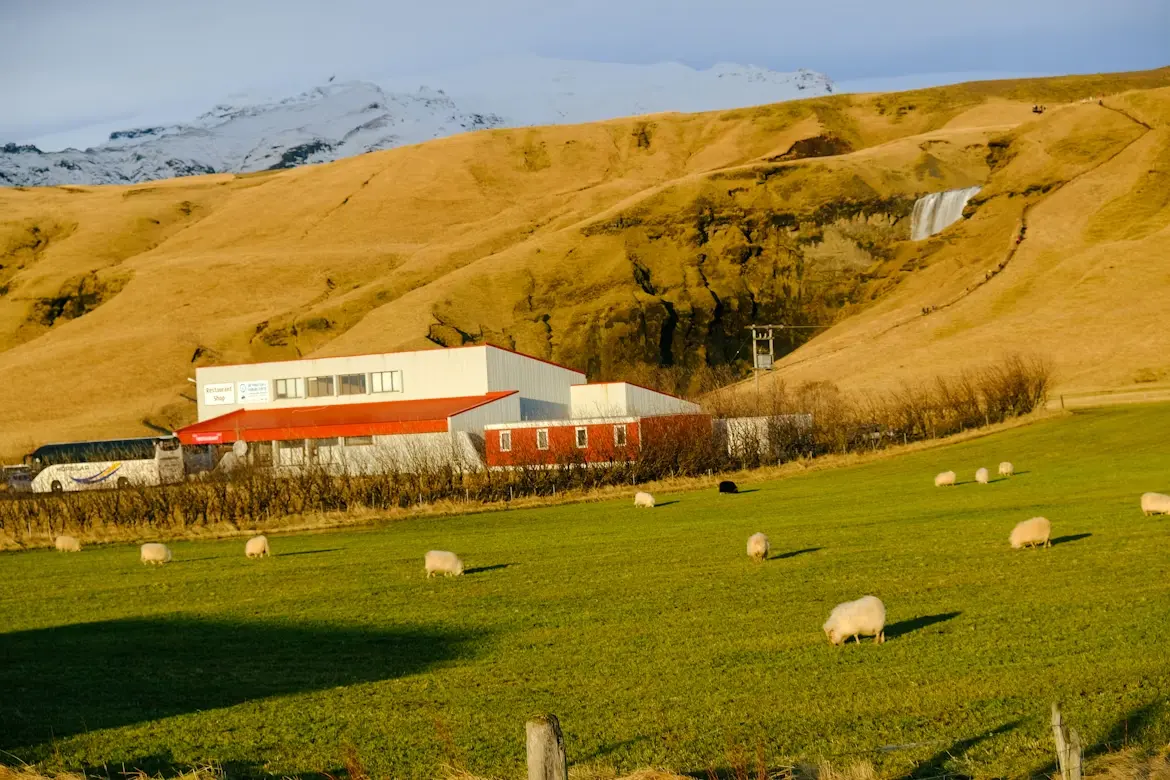
(Credit:Young Shih via Unsplash)
Wrapping up
Looking ahead, Iceland’s eco-tourism model could serve as a blueprint for other destinations grappling with the pressures of mass travel. Emerging technologies—such as satellite monitoring of visitor flows and AI-driven conservation planning—are likely to enhance the country’s ability to protect its natural assets.
By combining innovation with community engagement, Iceland can continue setting global standards for sustainable tourism in the decades to come.
Do you have suggestions for this article? Would you like to propose a guest post?
Get listed in the eco directoryGet your company listed on EcoHubMap and expand your reach in the global green economy. Who can be listed?Add an organization