The future of homed design: flooring options that protect the planet
August 26, 2025
In the evolving world of interior design, flooring has moved beyond aesthetics to become a critical element in sustainable living. Homeowners are now seeking materials that not only complement their style but also reduce environmental impact, conserve resources, and promote healthier indoor air quality.

As climate awareness grows, architects and designers are rethinking floor coverings to balance durability, beauty, and eco-consciousness. From renewable plant-based options to recycled innovations, the future of flooring is shaping up to be a cornerstone of green building practices—transforming homes into stylish yet responsible spaces.

Eco-friendly flooring: a foundation for sustainable homes
Sustainable flooring is no longer a niche market—it’s becoming the norm for future-focused homeowners. Eco-friendly flooring options aim to reduce carbon footprints by using renewable resources, minimizing chemical treatments, and promoting long lifespans to cut down on waste.

Bamboo is one of the most popular examples. As a fast-growing grass that regenerates quickly without replanting, it offers exceptional strength and a sleek, contemporary appearance. Unlike traditional hardwoods, bamboo can be harvested every three to five years, making it a highly renewable material.

Cork flooring, harvested from the bark of cork oak trees, provides another sustainable choice. The trees remain unharmed during harvesting, and the bark naturally regrows, making it a long-term eco-resource. Cork also has insulating properties, which can reduce home energy use.

For those looking for recycled solutions, reclaimed wood brings unique character while reducing the demand for new logging. Salvaged from barns, old structures, or manufacturing by-products, reclaimed wood not only prevents waste but also offers a rustic, timeless charm.

As technology advances, even vinyl alternatives made from plant-based resins and recycled content are emerging—combining resilience with environmental responsibility.

The rise of recycled and repurposed materials
One of the most promising trends in sustainable flooring is the creative reuse of materials that would otherwise end up in landfills. Recycled glass tiles, for instance, turn waste into stunning, light-reflective surfaces suitable for kitchens, bathrooms, and accent areas. These tiles often contain up to 80% post-consumer glass, making them an ideal choice for reducing environmental impact.

Recycled rubber flooring, often sourced from old car tires, offers exceptional durability and shock absorption, making it perfect for home gyms or playrooms. This approach not only diverts waste from landfills but also provides a non-slip surface with excellent sound insulation.

Carpet manufacturers are also innovating with recycled PET fibers derived from plastic bottles. These carpets are stain-resistant, long-lasting, and can themselves be recycled at the end of their lifespan, creating a closed-loop production cycle. During flooring renovations, arranging a Dumpster Rental can also help manage the disposal of old flooring materials and construction debris more responsibly.

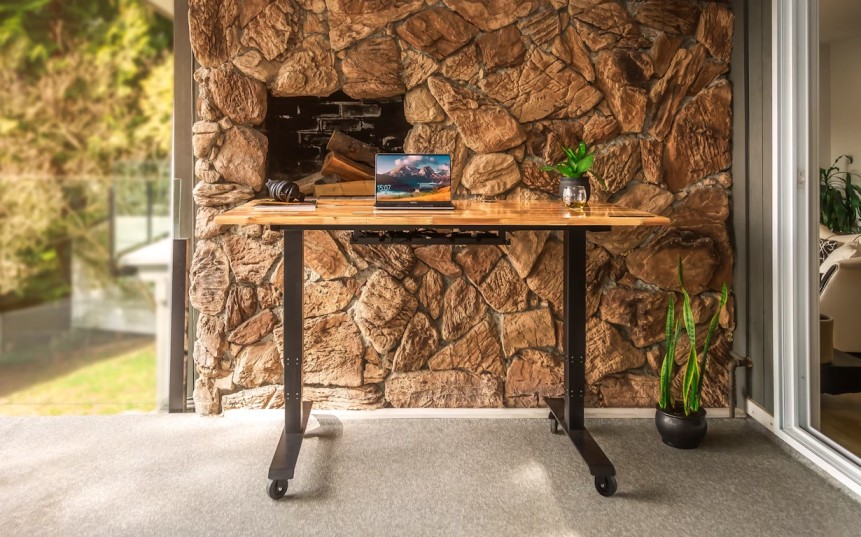
(Credit: EFFYDESK via Unsplash)
Natural stone with a responsible footprint
While natural stone is inherently durable and can last a lifetime, its environmental impact depends heavily on how it’s sourced. Sustainable stone flooring involves responsible quarrying practices that minimize habitat disruption, reduce water usage, and implement proper land rehabilitation after extraction.

Materials like limestone, slate, and travertine can be locally sourced in many regions, cutting down on transportation emissions. Choosing stone suppliers certified for ethical and eco-friendly operations ensures that these luxurious floors contribute positively to environmental stewardship.

In addition, advancements in sealants and finishes now allow stone to be treated with low-VOC (volatile organic compound) products, improving indoor air quality without compromising on protection.

Low-emission and healthy indoor flooring
Sustainability in flooring isn’t just about the environment—it’s also about the health of those living in the home. Many conventional flooring materials release VOCs, which can contribute to indoor air pollution. Low-emission flooring options address this by minimizing or eliminating harmful chemicals in adhesives, finishes, and underlays.

Linoleum, made from natural materials like linseed oil, jute, and wood flour, is a prime example. It’s biodegradable, naturally antibacterial, and doesn’t emit harmful gases. Similarly, wool carpets offer a natural, renewable, and breathable option that helps regulate humidity and filter indoor air.

Certifications such as  FloorScore and GREENGUARD help consumers identify flooring products that meet stringent indoor air quality standards, ensuring healthier homes without sacrificing style.

Smart flooring for energy efficiency
The future of sustainable flooring also includes integrating smart technologies that improve energy efficiency. Radiant heating systems, for example, can be paired with certain flooring materials—like ceramic tile, stone, or engineered wood—to provide even, efficient warmth throughout a home, reducing reliance on forced-air heating.

Some innovative flooring materials are being designed with reflective or insulating properties to naturally regulate indoor temperatures. Light-colored tiles, for instance, can reflect more sunlight and reduce cooling costs, while dense materials like concrete can store and slowly release heat, improving thermal comfort in cooler climates.

As smart homes become more common, flooring is likely to play a bigger role in energy management, blending functionality with environmental responsibility.

Hybrid flooring: combining sustainability and performance
Hybrid flooring is emerging as a game-changer in the sustainable design landscape, offering the durability of traditional materials with the eco-friendly benefits of modern innovation. It blends different layers—often including a rigid core made from recycled materials, a high-resolution printed design layer, and a protective surface coating—to create a product that is both stylish and planet-conscious.

Many hybrid flooring products use recycled wood fibers or limestone composites for the core, significantly reducing the need for virgin raw materials. This approach not only conserves forests but also diverts waste from landfills. The top layers can mimic natural wood or stone with remarkable realism, eliminating the need for resource-heavy harvesting.

Hybrid flooring is designed for longevity. Its resistance to water, scratches, and UV fading means fewer replacements over time, which reduces environmental impact. Many options are installed with click-lock systems, eliminating the need for adhesives that may release VOCs.

For eco-conscious homeowners seeking the look of hardwood or stone without the ecological footprint, hybrid flooring offers an ideal balance of beauty, practicality, and responsibility. As manufacturing processes advance, we can expect these versatile floors to become even more sustainable while maintaining exceptional performance.

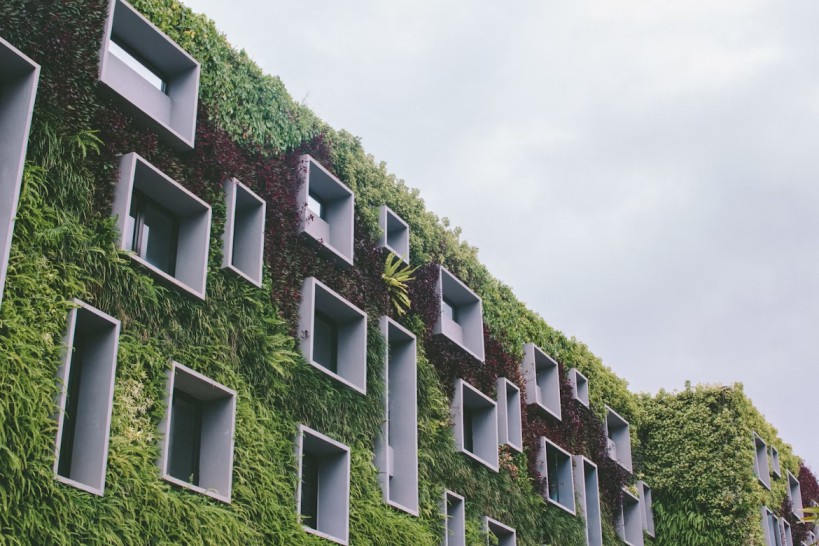
(Credit: Darya Jum on Unsplash)
Endnote
The future of home design will see flooring evolve from a purely decorative choice to a central component of sustainable living. From renewable resources like bamboo and cork to high-tech recycled materials and energy-efficient innovations, eco-conscious flooring options are paving the way toward homes that are as kind to the planet as they are beautiful.

By prioritizing responsibly sourced, low-emission, and long-lasting materials, homeowners can create spaces that not only meet their aesthetic goals but also actively contribute to a healthier environment for generations to come.
Do you have suggestions for this article? Would you like to propose a guest post?
Get listed in the eco directoryGet your company listed on EcoHubMap and expand your reach in the global green economy. Who can be listed?Add an organization