- green-spots
- coral reefs
- Bahamas
- Coral reef restoration, Bahamas

Problems
The world’s coral reefs are in crisis. These vibrant underwater ecosystems, often called the “rainforests of the sea,” face unprecedented threats from climate change, pollution, overfishing, and destructive fishing practices. As a result, many reefs are experiencing widespread bleaching. This phenomenon occurs when corals expel the algae in their tissues due to stress, causing them to turn white and often leading to death. With scientists predicting that 90% of coral reefs could die by 2050, the need for innovative solutions to protect and restore these vital habitats has never been more urgent.
Solutions
Coral Vita: Restoring Our World’s Dying Reefs
Author: UNESCO
Coral Vita’s land-based farms integrate breakthrough methods to accelerate coral growth up to 50x while enhancing their resilience to climate change. Diverse, hardy, and affordable coral can be grown en masse to supply restoration projects from centralized farms in countries worldwide that support reefs. New technologies are being developed to enhance the speed and effectiveness and reduce the cost of revitalizing reefs.

Utilizing cutting-edge micro-fragmenting technology, Coral Vita can grow corals up to 50 times faster than they would naturally, significantly speeding up the reef restoration process. Moreover, the corals cultivated through this method are bred to be more resilient to the warming temperatures and increased acidity characteristic of today’s oceans.

Coral Vita’s farm not only serves as a restoration facility but also as an educational center. It aims to raise awareness about the importance of coral reefs and their threats while providing a sustainable eco-tourism model. Visitors to the farm can learn about the process of coral farming and the science behind reef restoration, fostering a deeper connection to the marine environment and a greater appreciation for the need to protect it.

The Science Behind Land-Based Coral Farming
The process of land-based coral farming begins with the collection of coral fragments, either from existing reefs or corals grown on the farm itself. These fragments are then carefully nurtured in tanks where temperature, light, and water chemistry are meticulously controlled to promote optimal growth. Techniques like micro-fragmentation break the corals into even smaller pieces, stimulating rapid tissue growth and leading to quicker formation of new colonies.

Assisted evolution is another technique employed in land-based coral farming. By exposing corals to controlled stressors such as higher temperatures or varying pH levels, farmers can encourage the development of traits that make them more resistant to the conditions they will face once reintroduced to the ocean. This process is crucial in creating corals that survive and thrive in a changing climate.

The Impact of Land-Based Coral Farming
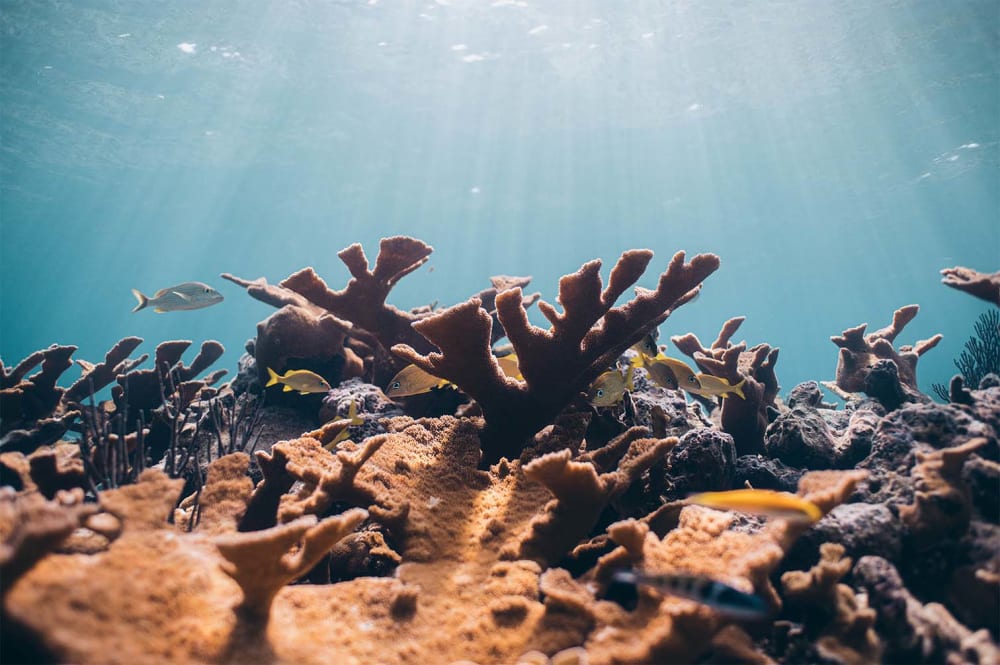
The impact of land-based coral farming on reef restoration efforts is already noticeable. Corals grown in these farms are being transplanted to degraded reef sites, which help rebuild the complex structures that support a diverse array of marine life. By increasing coral populations' genetic diversity and resilience, land-based coral farming gives reefs a fighting chance against the many stresses they face.

Moreover, the success of land-based coral farms has the potential to inspire similar initiatives around the world. As more people recognize the value of coral reefs and their services—from coastal protection to supporting fisheries and tourism—there is hope that this innovative restoration approach can be replicated globally, contributing to preserving these precious ecosystems for future generations.

Conclusion
Land-based coral farming represents hope in the fight to save the world’s coral reefs. By harnessing the power of science and innovation, conservationists are finding new ways to restore these vital habitats more quickly and effectively than ever before. As we continue to face the challenges of climate change and environmental degradation, it is clear that land-based coral farming will play a crucial role in ensuring the survival of coral reefs and the myriad of life they support.
Source: https://www.unesco.org/en/articles/coral-vita-restoring-our-worlds-dying-reefs
Importance and results
Author: Coral Vita
Coral Vita’s land-based farms not only supply corals for restoration projects but also function as education centers for local communities as well as eco-tourism attractions. They can also scale to make a significant ecological difference, with a single farm able to grow millions of resilient corals for distribution around a region.

There are massive economic benefits, with coral reefs generating approximately $2.7 trillion worth of utility to different global financial markets, including tourism, fisheries, education, engineering, and other ecosystem services. This is why conservation and restoration programs for these critical marine habitats are so important. Using methods adapted from the natural reef systems, Coral Vita is attempting to change this and augment them with cutting-edge science and technology to reverse this trend, thus preserving and bolstering coral reefs for the current and future generations.

Coral Vita has already planted over 10,000 corals in the Bahamas. The goal is to be able to produce corals that are hardened to future conditions they may face to maximize long-term impact and increase the volume and scale to surpass the staggering rate of loss that is observed in the wild.
Source: https://highlights.aqualink.org/stories/coral-vita-bahamas
Gallery
4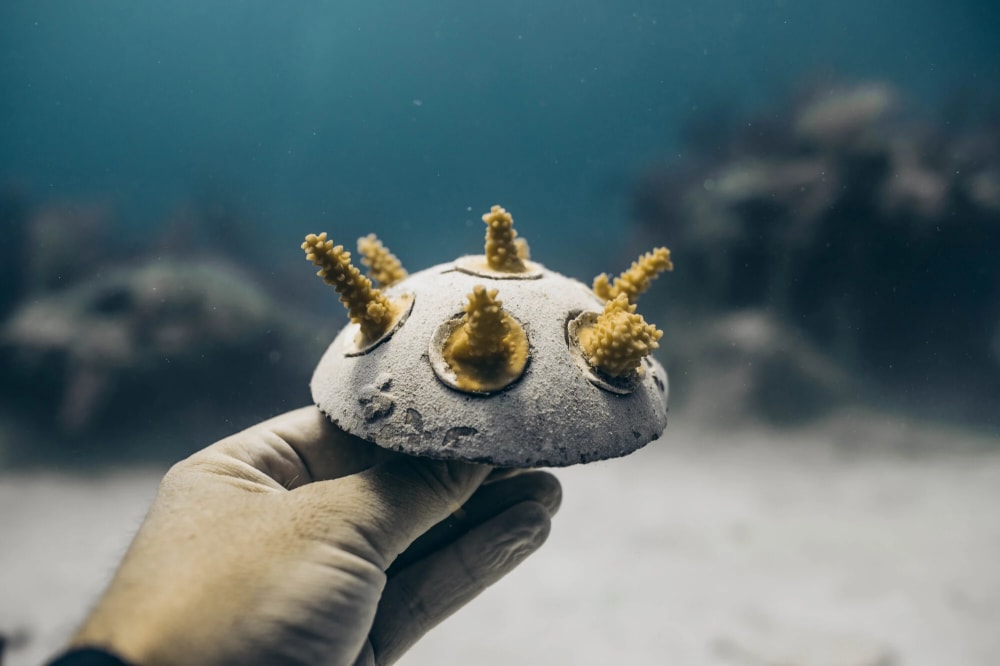

Timelines
2019
Coral Vita opens the world’s first commercial land-based coral farm in Grand Bahama. This groundbreaking facility pioneers the commercialization of coral farming, offering hope for scalable reef restoration solutions.
The farm utilizes advanced techniques such as micro-fragmentation and assisted evolution to grow resilient corals. Coral Vita’s success inspires similar projects worldwide, setting a precedent for future coral restoration initiatives.
2021
Coral Vita was the winning solution for the 2021 Earthshot Prize Revive Our Oceans category. In the year since they won, Sam, Gator, and the team have invested their Earthshot Prize prizemoney into financing their first major restoration off the coast of Grand Bahama, where they have so far planted 6,000 coral fragments and counting. They have scaled up their personnel by hiring several key R&D team members and purchased breakthrough lab equipment, allowing year-round and predictable coral reproduction.
2023
The record high ocean temperatures in the summer of 2023, where many areas have seen a 50-99% loss of critically endangered coral species like Acropora Palmata and Acropora Cervicornis, which are only found in the Western Atlantic and Caribbean.

Despite the catastrophic losses seen in Coral Vita's region in the Bahamas, with seemingly complete mortality of certain species on the reefs where they work, they are observing higher survivorship rates among the tens of thousands of corals they outplant.

The Coral Vita team is constantly assessing the annual data log and progression of temperatures throughout the season to guide the development of their outplant windows and processes. A working example is from the 2023 data record, in which they were able to correlate the time corals were outplanted vs the rate of temperature change to alter when and where they plant corals back on the reef for maximal success. Using the buoy data, they determined that they needed to change their cutoff date to June 1 or when ocean temperatures reach 27°C for the cessation of planting operations to ensure the corals have enough time to take hold and grow before the onset of higher temperatures and the associated bleaching phenomenon.
2024
Since winning The Earthshot Prize, Coral Vita has grown around 20,000 corals and planted over 15,000 across multiple restoration sites in Grand Bahama, with some areas experiencing a twofold increase in fish populations compared to pre-restoration surveys.