- green-spots
- energy
- USA
- TerraPower natrium nuclear reactor
Problems
Global Demand for Clean Electricity
In an era marked by rapid industrialization, urban growth, and rising energy consumption, the global demand for clean and sustainable electricity has never been more critical.

As nations strive to reduce greenhouse gas emissions and combat climate change, the shift away from fossil fuels toward low-carbon energy sources has accelerated.

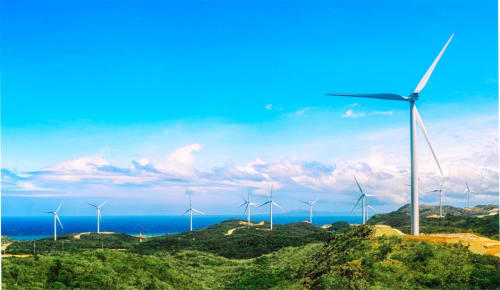
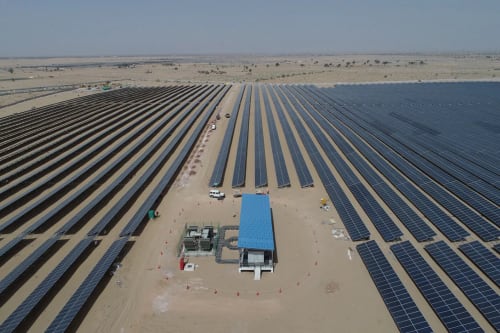
Renewable technologies like wind and solar are expanding rapidly, yet challenges related to intermittency and grid reliability persist.

Against this backdrop, green nuclear power has emerged as a promising and increasingly relevant solution.

Modern nuclear energy—especially advanced reactors and next-generation designs—offers a steady, large-scale source of low-carbon electricity with minimal air pollution.

By complementing variable renewables, green nuclear power can play a pivotal role in meeting global electricity needs while supporting climate goals outlined in the Paris Agreement.
Solutions
TerraPower's Natrium technology
Author: TerraPower
TerraPower was founded by Bill Gates and other investors to develop advanced nuclear reactors to provide clean, reliable energy, evolving from initial traveling wave reactor concepts to designs like the Natrium reactor.

The purpose is to innovate in nuclear energy for climate, energy independence, and medical isotope production.

Technology is developing advanced reactors, notably the Natrium sodium-cooled fast reactor with molten salt storage, to complement renewables.

Bill Gates' company, TerraPower, is developing the Natrium nuclear reactor, a "green" power plant using liquid sodium as a coolant instead of water for improved safety and efficiency.

Aiming to provide reliable, clean energy by operating at lower pressures, with a higher boiling point, and incorporating molten salt energy storage for grid stability, with the first plant slated for Wyoming around 2030.

How it Works:
Liquid Sodium Coolant: Instead of water, which creates high pressure and risks explosions (like Fukushima), liquid sodium absorbs much more heat without building pressure due to its very high boiling point (883°C vs. 100°C for water).

Molten Salt Storage:
The plant includes tanks of molten salt to store excess heat, allowing the plant to ramp up power output (e.g., from 345 MW to 500 MW) for several hours to meet peak demand, acting like a giant battery.

By combining cutting-edge reactor technology with energy storage capabilities, the Natrium project represents a new generation of “green” power plants designed to support a sustainable and resilient energy future.

It is the only advanced, non-light water reactor in the Western Hemisphere being built today to meet the challenges of the clean energy transition.
Source: https://www.terrapower.com/
Gallery
4

Timelines
2006
TerraPower was founded by Bill Gates and other investors to develop advanced nuclear reactors for clean energy.
TerraPower, LLC is an American nuclear reactor design and development engineering company headquartered in Bellevue, Washington.
TerraPower is developing a class of nuclear fast reactors termed traveling wave reactors (TWR).
2020
October
The company was chosen by the United States Department of Energy as a recipient of a matching grant totaling between $400 million and $4 billion over the ensuing five to seven years to build a demonstration reactor using their Natrium design.
2021
June
TerraPower and PacifiCorp, a subsidiary of Warren Buffett's Berkshire Hathaway Energy, announced plans to build a joint Natrium reactor.
November 16
TerraPower selected Kemmerer, Wyoming, as the site for its Natrium reactor demonstration project.
The selection was part of a process to site the advanced nuclear reactor near a retiring coal plant.
2024
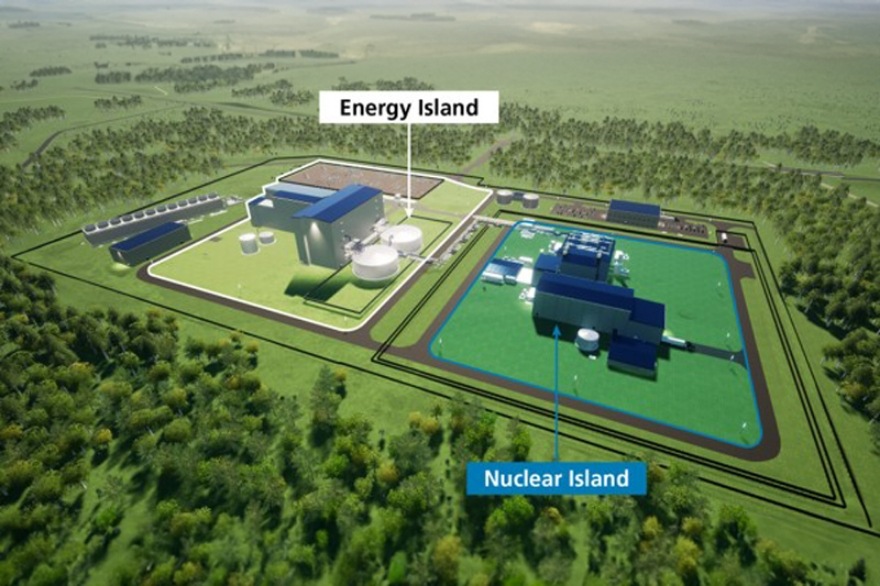
TerraPower selected Kemmerer as the site for a 345 MWe Natrium reactor using a molten salt energy storage system. The reactor can temporarily boost output to 500 MWe, enabling the plant to integrate with renewable resources.

The power station is designed to consist of two adjacent parts: an "energy island" and a "nuclear island".
March
TerraPower filed its Construction Permit Application for the Natrium demonstration with the U.S. Nuclear Regulatory Commission (NRC) — the first such filing for a commercial advanced reactor in the U.S.
June
TerraPower is beginning preparation for the as-yet unapproved reactor.
Cost estimates were $4 billion, with the DOE supplying half, and Gates contributing $1 billion.
2025
April
TerraPower notified the British Office for Nuclear Regulation that it intends to enter the Generic Design Assessment process for its Natrium reactor.
October
The Kemmerer project completed its final Environmental Impact Statement (EIS), finding no adverse impacts. It was the first-ever advanced commercial nuclear power plant in the country to complete this process.

The company completed long-lead procurement for key reactor components and awarded major contracts for Natrium’s reactor enclosure and systems.
The NRC is reviewing the construction permit.