Problems
River and flash floods combined with landslides are Brazil's most frequent and costly natural disasters. These flash floods have caused economic losses of around USD 250 million annually. Over the years, there has been a clear trend towards above-average economic damage.

In Brazil, 33.3 million people (17% of the population) are exposed to flood risk. A major driver of flood exposure is, and will continue to be, the rapid urban population growth as paved areas inhibit rainwater infiltration into the soil.

Cause
Flooding in Brazil isn't solely a product of human influence. Natural climatic phenomena like El Niño, a periodic warming of the Pacific Ocean, disrupt weather patterns, leading to increased precipitation in southern Brazil. Conversely, La Niña, the cooler counterpart of El Niño, can trigger droughts in the north, highlighting the delicate balance in play.

Uncontrolled urban expansion into risk areas is another factor. This means that by 2030, a further 6.5 million people will be exposed to flood risk. Due to the intensification of flood hazards resulting from climate change, another 2.7 million people will also be affected.

Impact of flooding
On average, major floods in Brazil have killed almost 120 people a year and caused annual economic losses of about USD 250 million during this period.1 Looking ahead, climate change is likely to increase the frequency and severity of intense precipitation in the region, a major cause of flooding.

Measures
Preventive adaptation measures could reduce the losses and the burden on budgets. Building codes enforcing the sealing of openings on the ground floor are estimated to avert losses in 2030 of up to USD 772 million (BRL 1.4 billion). Drainage projects could reduce damages by almost USD 587 million (BRL 1 billion) and hillside stabilization by over USD 94 million (BRL 165 million). Urban planning directed at building settlements outside floodplains and hill slopes could significantly reduce the flood exposure of
people and assets. The planned early warning system and awareness campaigns could also save many lives.

Flooding remains an ever-present threat in Brazil. However, the nation is better equipped to mitigate risks by understanding the historical context, natural triggers, and the growing role of climate change. Brazil can build a more resilient future in the face of rising waters by fostering collaboration between government agencies, communities, and environmental scientists.
Gallery
6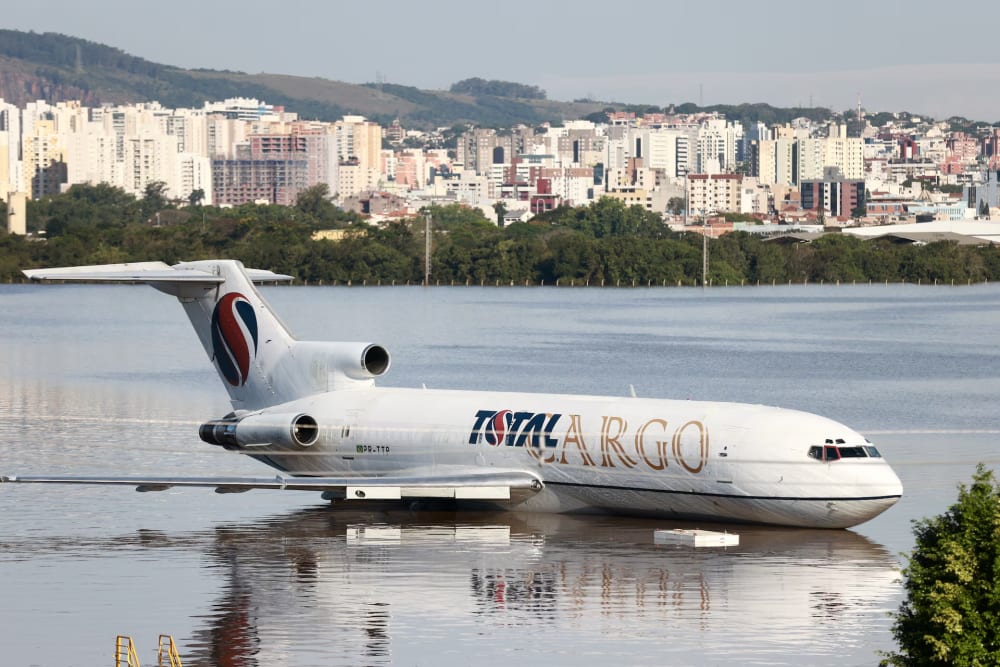
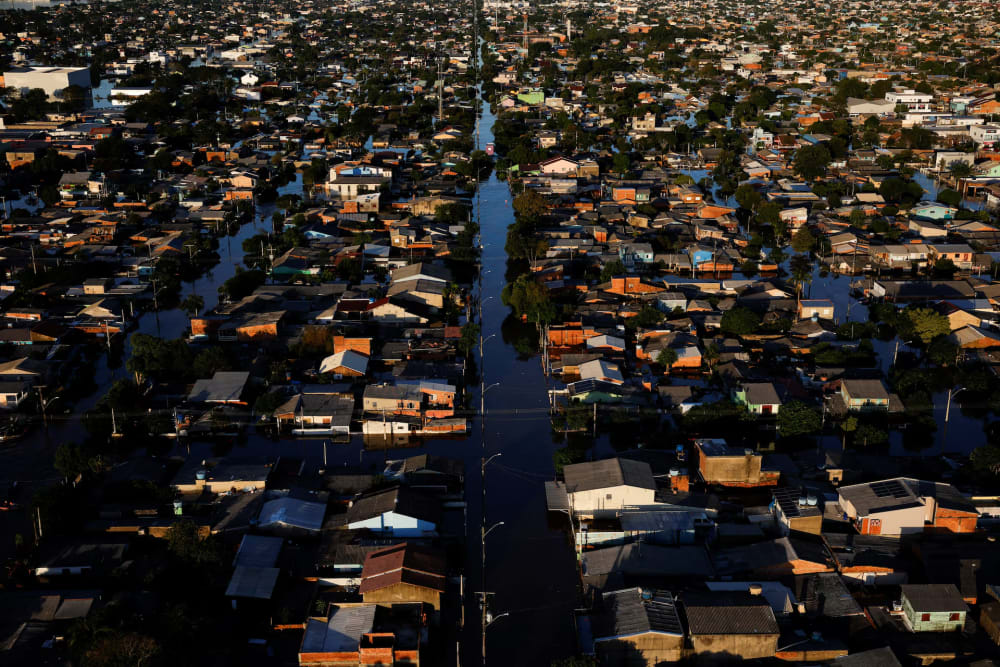
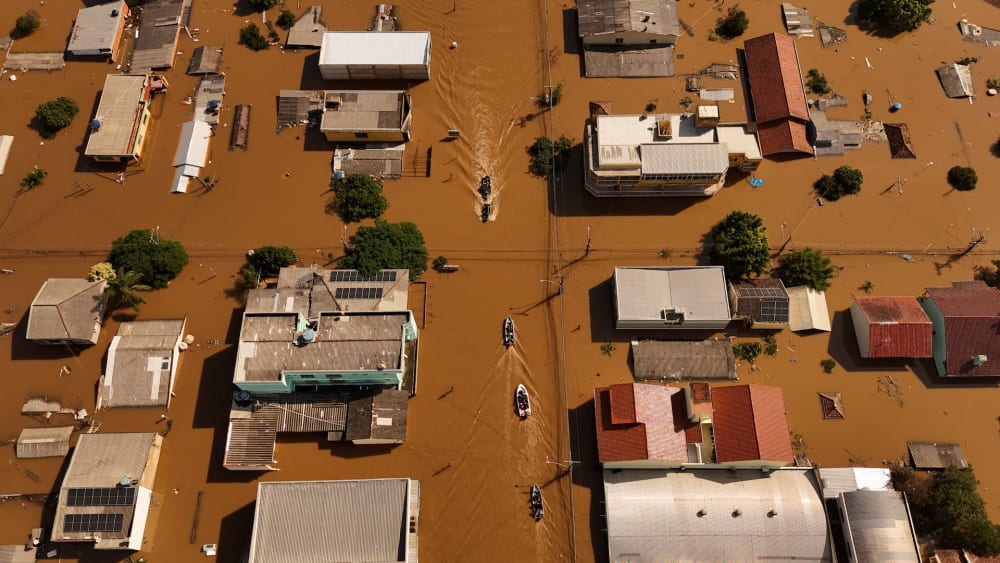
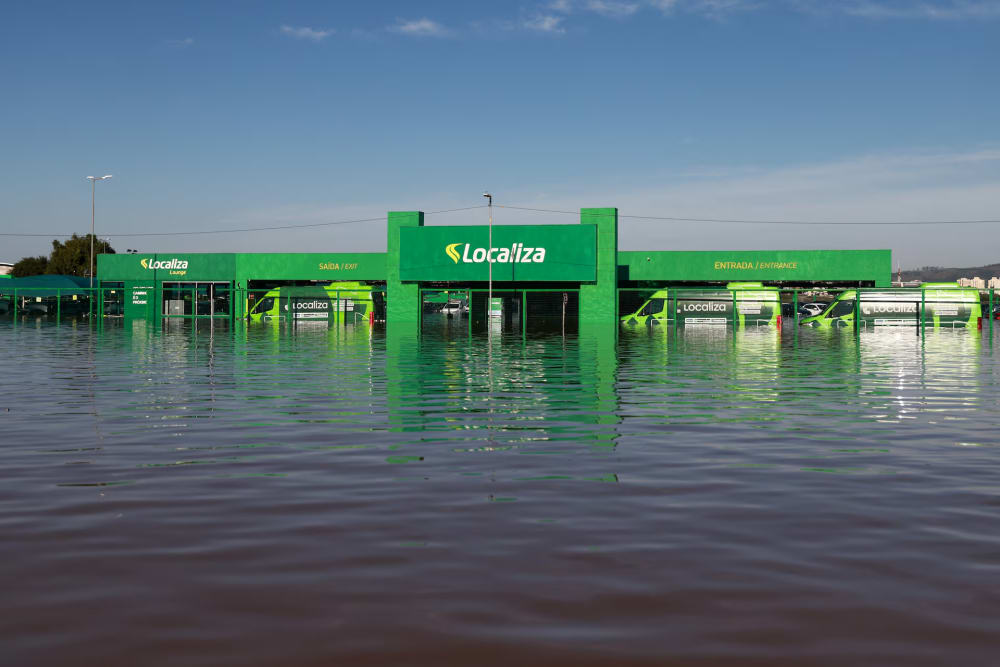
Timelines
2026
February 27
The humanitarian crisis and extensive destruction caused by floods and landslides in Minas Gerais since 23 February in south-eastern Brazil have worsened. Among the hardest-hit areas are Juiz de Fora and Ubá in Minas Gerais, Lajes do Muriaé and Nova Iguaçu in Rio de Janeiro, and Peruíbe in São Paulo.

The death toll from landslides and flooding in eastern Brazil has risen to 64, as authorities continue to search for survivors.

The state’s fire department said five more people are still missing. More than 5,500 people have been forced to leave their homes.

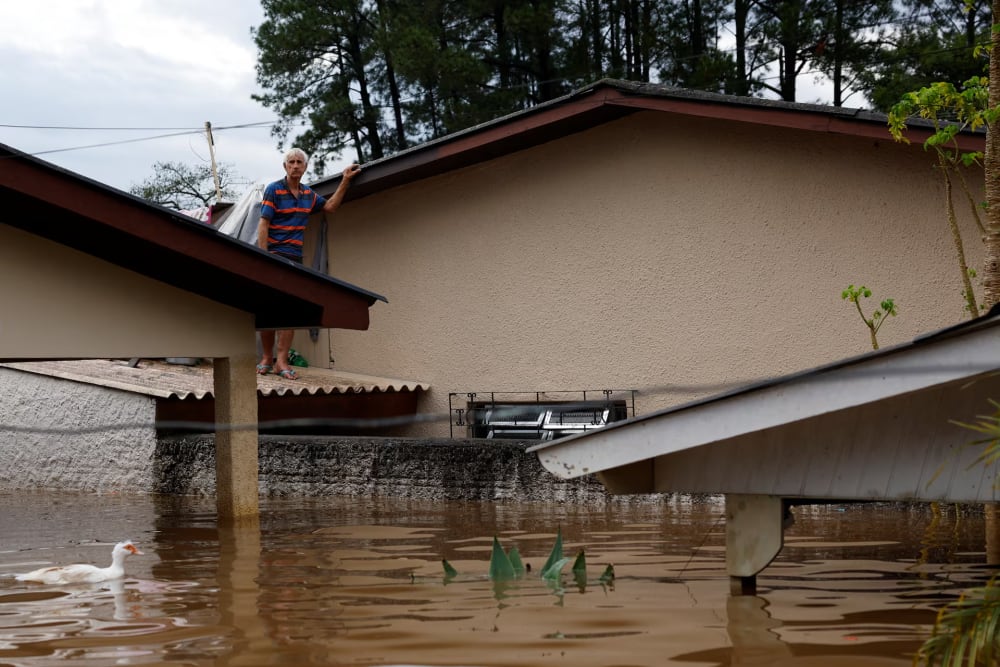
Brown water flows through the tourist hot spot of Paraty, located in southeastern Brazil. Authorities told residents to steer clear of flooded areas and hillsides as well as to avoid sheltering under trees due to a risk of lightning strikes.

Scientists say extreme weather is happening more frequently due to human-caused climate change.
2024
May 02
The Government of the state of Rio Grande do Sul, Brazil, published updated information on the heavy rains affecting 147 municipalities of the state (40 increase since the 1 May report). In Rio Grande do Sul, there were 67,860 people affected (48,750 increase), 12 people were reported as injured (1 increase), and a total of 13 deaths have been reported (3 increase). In addition, 72,459 people were displaced (67,448 increase), of which 4,599 are in shelters (3,527 increase).
2023
September
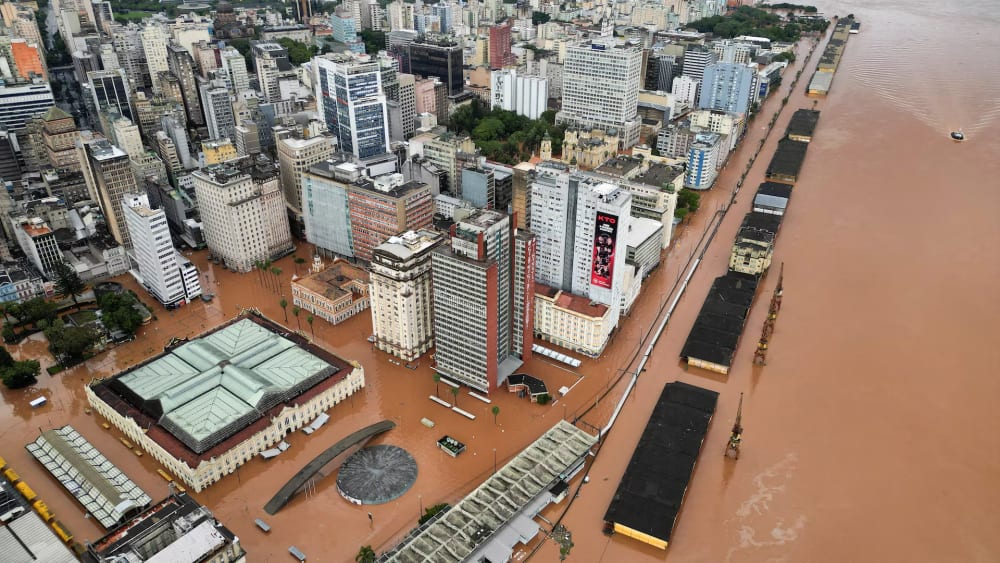
An extratropical cyclone, bringing heavy rainfall, strong winds, and hailstorms, has been severely affecting the states of Santa Catarina and Rio Grande do Sul. According to the latest assessment from the Civil Defence in Rio Grande do Sul, the severe weather has affected at least 340,928 people across 93 municipalities, leaving 46 people dead, 46 people missing, and 924 injured. Some 3,130 people have been rescued, 20,498 residents have been displaced, and 4,794 have been left homeless. In certain areas, river levels have surged to 17 meters above average, obstructing access from the capital city of Porto Alegre and the state's northern regions. This has complicated both the delivery of aid and the assessment of damages. In Rio Grande do Sul, millions have been exposed to the impact of the cyclone, and thousands have been directly impacted by damage to their homes.
2021
February 28
The Brazil National Civil Defense (DCN, per its Portuguese acronym) reported 231 deaths due to heavy rains and ongoing landslides in Petrópolis, Rio de Janeiro. In total, 876 people have been displaced and temporarily housed in 14 shelters; 24 people were rescued alive, and 5 people remain missing.
2015
July
184 cities were flooded in the States of Paraná, Santa Catarina, and Rio Grande Do Sul, with more than 109,740 people affected, of which 5,122 are in collective centers, with host families, or elsewhere. The most affected cities include Esteio, Frederico Westphalen, Cachoeira do Sul, Riozinho Rolante, Chapecó, Xanxerê, and Maravilha.
2011
January
The floods in the Southeastern states of Rio de Janeiro and Sao Paulo. The floods killed over 800 people and made more than 100000 people homeless.
2009
April
The railroad transporting ores from the major mines in Carajás to the Itaqui port in São Luís was cut off in the Northeastern state of Maranhão. The floods provoked economic losses of USD 500 million in the region.
2008
November
Flooding in the Southern state of Santa Catarina killed 118 people and caused economic losses of USD 400 million. The Itajaí port suffered business interruption losses of USD 35 million per day. In addition, a damaged gas pipeline disrupted the supply of Bolivian gas to the flooded area and to the state of Rio Grande do Sul, further south.
2004
4 major floods in 15 states across both North- and Southeastern Brazil cut fruit production by an estimated 10%, causing overall economic losses of USD 303 million.