- hot-spots
- deforestation
- Guinea
- Guinea Refugee Camps

Problems
Location: Parrot’s Beak region, Guinea
Primary issues: Deforestation, water pollution, soil degradation
Main period: Late 1990s–early 2000s
Affected communities: Refugees and local populations

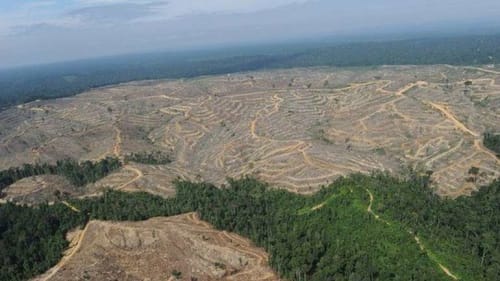
Guinea’s refugee camps, particularly those established in the Parrot’s Beak region, created significant pressure on forests, farmland and water resources. Large numbers of refugees arrived from Sierra Leone and Liberia during regional civil conflicts, increasing demand for firewood, construction materials and agricultural land. The resulting environmental pressures included deforestation, soil degradation, water pollution and biodiversity loss. This environmental hotspot profile examines the documented impacts, historical context and restoration efforts in the region.
Intensive Farming Practices
To accommodate the growing population, intensive farming practices have become prevalent in the Parrot's Beak. These practices often involve the overuse of chemical fertilizers and pesticides, which degrade soil quality and reduce agricultural sustainability. The conversion of forests into farmland not only diminishes habitat for local wildlife but also increases vulnerability to climate-related impacts, such as flooding and drought. As soil fertility declines, farmers may resort to clearing more land, perpetuating a cycle of environmental degradation. This unsustainable approach to agriculture threatens food security in the long term, as the land becomes less productive and more susceptible to erosion and nutrient loss.
Water Resource Depletion
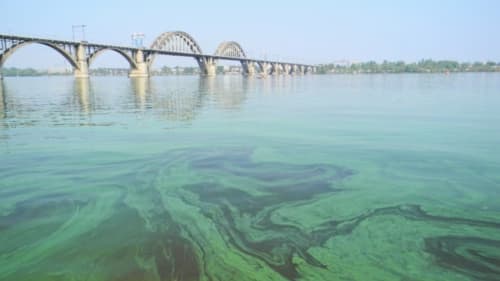
The influx of refugees and the resulting agricultural expansion have significantly strained water resources in the Parrot's Beak region. Increased demand for water for irrigation and domestic use has led to over-extraction from local rivers and aquifers, resulting in declining water levels and quality. This depletion of water resources not only affects human populations but also threatens aquatic ecosystems and biodiversity. The reduced flow in rivers can lead to the loss of fish populations, which are vital for local diets and livelihoods. Furthermore, the contamination of water sources due to agricultural runoff and waste disposal poses serious health risks to both refugees and the indigenous communities.
Pollution and Waste Management Challenges
The rapid population growth in the Parrot's Beak has outpaced the capacity for effective waste management, leading to significant pollution challenges. Refugee camps and surrounding communities often lack proper sanitation facilities, resulting in the improper disposal of waste. This not only creates unsightly conditions but also poses serious health risks, as waste can contaminate water supplies and contribute to the spread of diseases. Additionally, the reliance on charcoal and firewood for cooking contributes to air pollution, which can exacerbate respiratory issues among the population. The lack of infrastructure and resources to manage waste effectively highlights the urgent need for sustainable solutions to address pollution and protect public health.
Biodiversity Loss
The environmental pressures from the refugee influx and intensive farming practices have led to significant biodiversity loss in the Parrot's Beak region. The destruction of forests and wetlands has resulted in the displacement of numerous plant and animal species, many of which are endemic to the area. The loss of biodiversity not only affects the ecological balance but also undermines the resilience of the ecosystem to adapt to climate change. As species disappear, the region's ability to provide essential ecosystem services, such as pollination, water purification, and soil fertility, is compromised, further threatening food security and local livelihoods.
Environmental Degradation Due to Refugee Influx
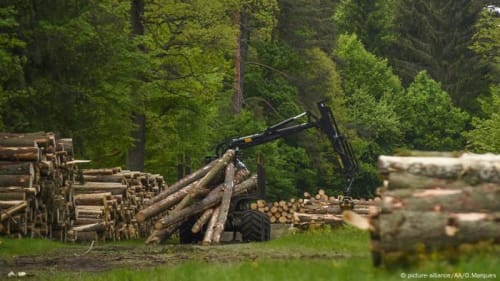
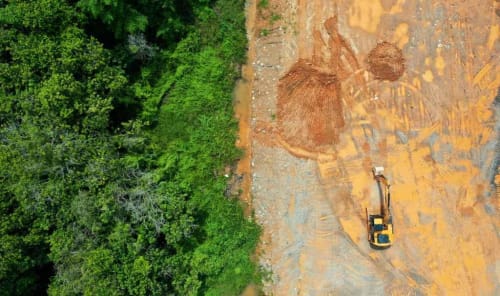
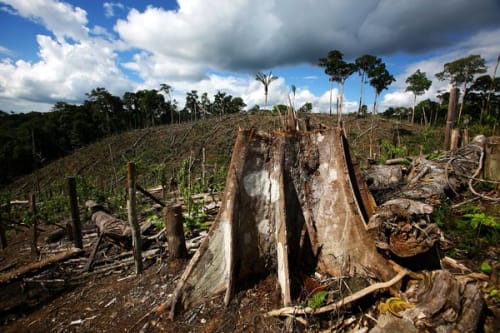
The Parrot's Beak region in Guinea is facing severe environmental degradation, primarily driven by the influx of refugees fleeing civil wars in Sierra Leone and Liberia. With refugees making up to 80% of the local population, the demand for arable land, firewood, and construction materials has surged. This has led to extensive deforestation, as trees are cut down for charcoal and timber, which are essential for cooking and shelter. The rapid population growth, compounded by a natural growth rate of approximately 3% among the indigenous population, exacerbates the pressure on local ecosystems. The resulting loss of forest cover threatens biodiversity, disrupts local water cycles, and diminishes the region's resilience to climate change, leading to a precarious environmental situation that jeopardizes both human and ecological health.
Solutions
Sustainable Agriculture Initiatives
Implementing sustainable agriculture practices can help mitigate the environmental impact of intensive farming. Techniques such as agroforestry, crop rotation, and organic farming can enhance soil health, improve water retention, and reduce reliance on chemical inputs. Training local farmers in these practices can promote food security while preserving the ecosystem. Additionally, integrating traditional knowledge with modern agricultural techniques can lead to more resilient farming systems that are better equipped to withstand climate variability.
Community-Based Water Management
Establishing community-based water management systems can help address water resource depletion in the Parrot's Beak region. By involving local communities in the management and conservation of water resources, it is possible to ensure equitable access and sustainable use. Techniques such as rainwater harvesting, the construction of small-scale reservoirs, and the promotion of water-efficient irrigation methods can significantly improve water availability for both agricultural and domestic use.
Community-Based Reforestation Initiatives
Author: Local NGOs and Community Leaders
Community-based reforestation initiatives aim to restore degraded areas in the Parrot's Beak by involving local populations in planting native trees and managing forest resources sustainably. These programs not only enhance biodiversity but also improve soil quality and water retention, contributing to climate resilience. By empowering communities to take ownership of their natural resources, these initiatives foster a sense of stewardship and promote sustainable land-use practices.
Integrated Water Resource Management
Author: UNDP
Integrated Water Resource Management (IWRM) approaches can help address water scarcity and pollution in the Parrot's Beak. By promoting coordinated management of water, land, and related resources, IWRM seeks to maximize economic and social welfare without compromising the sustainability of vital ecosystems. This includes implementing strategies for efficient water use, improving sanitation facilities, and enhancing community awareness about water conservation.
Source: https://www.undp.org/
Sustainable Agriculture Training Programs
Author: FAO
The Food and Agriculture Organization (FAO) supports sustainable agriculture training programs that educate farmers on eco-friendly practices. These programs focus on organic farming, crop rotation, and agroforestry techniques that enhance soil health and reduce dependency on chemical inputs. By promoting sustainable agricultural practices, these initiatives aim to improve food security while minimizing environmental impact.
Source: https://www.fao.org/
Gallery
3

Timelines
2023
February 18
New policies are introduced to enhance waste management and sanitation facilities in refugee camps.
January 01
Ongoing assessments highlight the need for comprehensive environmental policies to address the cumulative impacts of refugee influx and environmental degradation in the Parrot's Beak.
2022
April 12
A regional conference on environmental sustainability in refugee contexts is held, focusing on the Parrot's Beak region.
January 01
The UNDP collaborates with local authorities to enhance waste management systems in refugee camps, aiming to reduce pollution and improve public health.
2021
September 05
Local health authorities report an increase in waterborne diseases linked to poor waste management in refugee camps.
2020
January 15
Community-based water management initiatives are launched to address water scarcity and improve resource management.
January 01
Studies reveal that water resources in the Parrot's Beak are critically depleted, prompting calls for immediate action to manage water sustainably.
2018
July 30
International organizations begin implementing sustainable agriculture programs to improve food security and reduce environmental impact.
January 01
Sustainable agriculture training programs are launched by the FAO to educate local farmers on eco-friendly practices and improve food security.
2015
November 25
A comprehensive study reveals the extent of biodiversity loss in the Parrot's Beak region, prompting calls for urgent conservation measures.
January 01
Integrated Water Resource Management (IWRM) strategies are introduced to address water scarcity and pollution challenges in the region.
2010
March 10
The government of Guinea initiates a reforestation project to combat deforestation caused by refugee influx.
January 01
Local NGOs begin implementing community-based reforestation initiatives aimed at restoring degraded lands and enhancing biodiversity in the Parrot's Beak.
2005
August 20
Local NGOs report significant declines in water quality and availability due to over-extraction and pollution from refugee camps.
January 01
Reports indicate a decline in soil fertility in the Parrot's Beak due to intensive farming practices adopted by both refugees and local populations.
2001
May 15
The first major refugee camp is established in the Parrot's Beak region, leading to increased deforestation and resource depletion.
January 01
The influx of refugees leads to increased deforestation as local forests are cleared for agriculture and firewood, impacting biodiversity and local ecosystems.
2000
January 01
UNHCR estimates that up to 80% of the local population in the Parrot's Beak region consists of refugees from Sierra Leone and Liberia.
References
- UNEP Environmental Hotspots page
- Related atlas / source
- Wikipedia: Refugee camp
- Wikipedia: United Nations High Commissioner for Refugees
- Wikipedia: Environmental impact of war
- NASA Earth Observatory: Images
- Wikipedia: Climate migration
- Wikipedia: Conservation refugee
- Wikipedia: Refugee camp
- Wikipedia: Western Sahara