- hot-spots
- mines
- Papua New Guinea
- River Pollution and Ecosystem Damage at Ok Tedi Mine, Papua New Guinea
River Pollution and Ecosystem Damage at Ok Tedi Mine, Papua New Guinea
Papua New Guinea
last update:
3 days agoProblems
Severe Environmental Degradation from Mining Activities
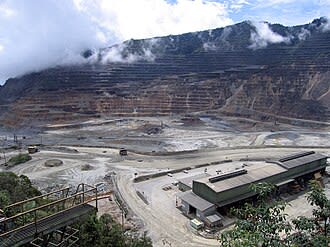
The Ok Tedi Mine has caused severe environmental damage since operations began in 1984. According to UNEP, the mine has discharged approximately 70 million tonnes of waste rock and tailings annually into the Ok Tedi River, with impacts extending more than 1,000 km down the Ok Tedi and Fly river system, raising riverbeds and causing widespread sedimentation, flooding, and forest damage. Since 2008, Ok Tedi Mining Limited has implemented mitigation measures including sulphide removal from tailings and sediment dredging at Bige, though treated tailings continue to enter the river system as the company studies a transition to a conventional tailings storage facility that could eventually eliminate riverine tailings discharge.
Impact on Local Biodiversity
Mine-derived sediment and changes to river habitat have caused major declines in fish abundance and species diversity in parts of the Ok Tedi and Fly River system. Long-term studies found reductions in fish biomass of roughly 65-96% at some affected sites relative to pre-mine levels, though many species have persisted in tributaries or elsewhere in the river system rather than becoming extinct. Because fishing is central to subsistence and livelihoods for many river communities, this decline in fish abundance has significantly affected traditional diets, food security, and ways of life. In a positive sign, Ok Tedi Mining Limited reported in December 2024 that it had rediscovered fish species in the Fly River that had not been recorded for roughly 40 years.
Pollution Pathways and Water Quality Deterioration
Mine waste has introduced large quantities of sediment and metals into the Ok Tedi-Fly River system. Copper is the most directly relevant pollutant given the mine's copper-gold operations, and Ok Tedi Mining Limited continues to monitor dissolved copper along roughly 1,000 km of the river system, reporting that concentrations have decreased over time due to lower ore grades, improved recovery, and sulphide removal. The environmental story is centered on surface water and floodplain contamination; there is no specific hydrogeological study establishing broad groundwater contamination from the mine. Claims of arsenic and mercury contamination, or of a resulting public-health crisis with elevated heavy metals in residents' blood, are not supported by credible, Ok Tedi-specific evidence and should be treated with caution absent a documented study.
Socioeconomic Impacts on Indigenous Communities
The environmental degradation caused by the Ok Tedi Mine has significantly affected the indigenous communities living along the Ok Tedi and Fly rivers. An assessment associated with the mine's compensation area estimates roughly 50,000 residents across around 120 villages affected by mine-derived waste, with declines in fish stocks and changes to agricultural land disrupting traditional livelihoods for many families. The mine has also generated substantial economic benefits alongside these environmental and social costs, producing a long history of compensation arrangements, benefit-sharing, and legal disputes. In 1994, landowners filed a lawsuit against BHP, the mine's then-majority owner, in Australia's Supreme Court of Victoria over environmental and livelihood damage; a settlement was reached in June 1996 that included a compensation package and commitments to reduce tailings-related environmental impact.
Corporate Withdrawal and Changes in Mine Ownership
Ok Tedi's environmental damage has a well-documented corporate and legal history. In February 2002, BHP Billiton withdrew entirely from the mine, transferring its 52% stake to the newly established PNG Sustainable Development Program (PNGSDP), which was created to direct future mine proceeds toward development projects for Papua New Guinea. In 2013, Papua New Guinea passed legislation restructuring ownership of the mine: it cancelled PNGSDP's shares and issued new ones to the state, bringing Ok Tedi under full government ownership. This history of changing ownership and legal accountability, alongside the 1994-1996 litigation and settlement with BHP, is central to understanding how the mine's environmental impacts have been addressed over time.
Solutions
Restoration and Rehabilitation Programs
Author: Ok Tedi Mining Limited (OTML)
Ok Tedi Mining Limited operates an active revegetation and rehabilitation program at Bige, a dredged sediment storage area on the lower Ok Tedi River, where more than 300 hectares have been replanted to help restore forest cover and stabilize dredged land. OTML also continues sediment dredging in this area as part of its broader mitigation strategy. Sustained funding and independent environmental monitoring are needed to expand this rehabilitation work across other sediment-affected areas of the Ok Tedi and Fly river system.
Community-led Monitoring Initiatives
Author: Local Indigenous Groups
A recommended approach is to establish independent, community-based environmental monitoring along the Ok Tedi and Fly rivers, training local residents to track water quality, sediment levels, and fish stocks. This would complement Ok Tedi Mining Limited's own monitoring program with independent data, helping affected communities hold mining operations accountable and informing decisions about further mitigation and rehabilitation work.
Legal Action for Environmental Justice
Author: Business & Human Rights Resource Centre (BHRRC)
Legal action has already shown it can drive change at Ok Tedi: in 1994, landowners filed a lawsuit against BHP, then the mine's majority owner, in Australia's Supreme Court of Victoria over environmental and livelihood damage from mine waste. A settlement was reached in June 1996 that included a compensation package and commitments to reduce the mine's tailings-related environmental impact. This precedent shows that legal action, supported by human rights and environmental law organizations, can secure both compensation and binding commitments to reduce ongoing harm.
Source: https://www.bhrrc.org/en/latest-news/bhp-lawsuit-re-papua-new-guinea/
Transition Away from Riverine Tailings Disposal
Author: Ok Tedi Mining Limited (OTML)
The most important remaining step at Ok Tedi is a full transition away from disposing tailings directly into the river system. Ok Tedi Mining Limited has already reduced impacts through sulphide removal and sediment dredging since 2008, and is studying a shift to a conventional tailings storage facility. Completing this transition, with adequate funding and independent oversight, would be the single most effective way to stop new sediment and metal loading into the Ok Tedi and Fly rivers and allow long-term ecological recovery.
International Advocacy for Environmental Justice
Author: International Water Tribunal / Global Advocacy Organizations
International advocacy has a track record at Ok Tedi: in 1992, affected landowners and environmental groups brought a grievance to the International Water Tribunal, an early example of international pressure on the mine's practices. Continued international advocacy, alongside domestic legal action and OTML's own mitigation program, can help sustain pressure for full remediation, independent environmental monitoring, and stronger regulatory oversight of mining impacts on the Ok Tedi and Fly river system.
Source: https://en.wikipedia.org/wiki/Ok_Tedi_environmental_disaster
Gallery
2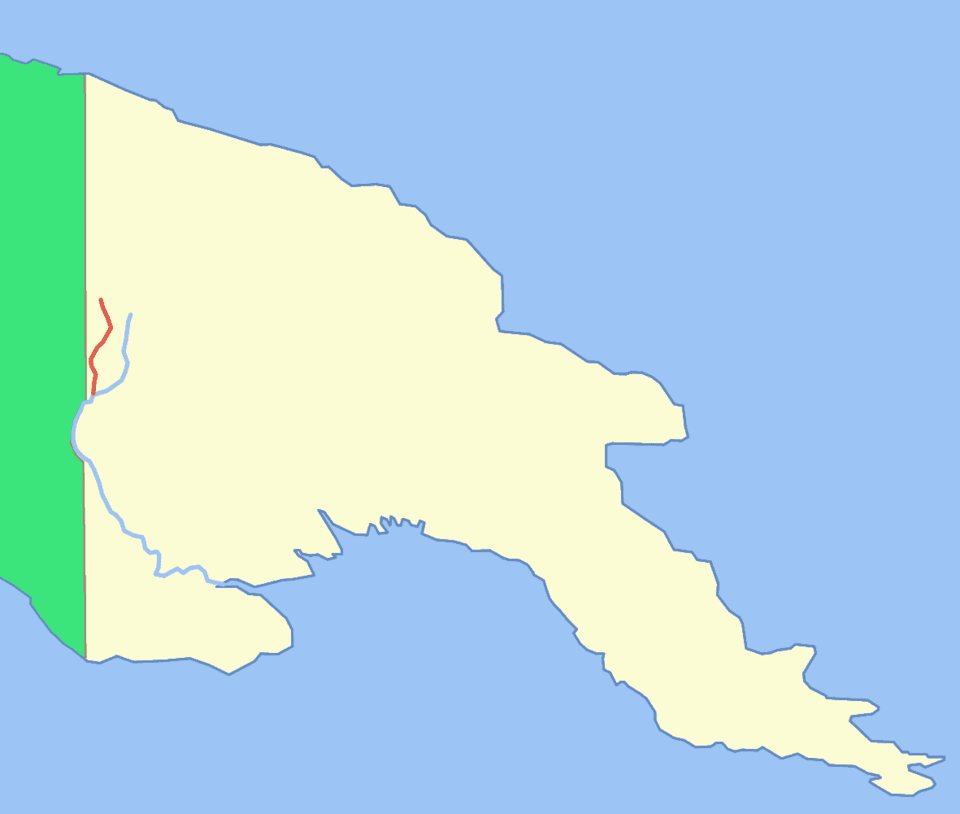
Timelines
2024
December 05
Ok Tedi Mining Limited reported rediscovering fish species in the Fly River that had not been recorded for roughly 40 years, a positive sign of partial ecological recovery in parts of the river system.
2013
September 01
Papua New Guinea passed legislation restructuring ownership of the Ok Tedi Mine, cancelling PNG Sustainable Development Program's shares and issuing new ones to the state, bringing the mine under full government ownership.
2008
January 01
Ok Tedi Mining Limited began implementing key mitigation measures, including sulphide removal from tailings and sediment dredging at Bige on the lower Ok Tedi River, to reduce ongoing environmental impacts.
2002
February 08
BHP Billiton withdrew entirely from the Ok Tedi Mine, transferring its 52% stake to the newly established PNG Sustainable Development Program (PNGSDP), created to direct future mine proceeds toward development projects for Papua New Guinea.
1998
January 01
Long-term ecological monitoring of the Ok Tedi and Fly river system was published, documenting major reductions in fish biomass, in some sites by as much as 65-96% compared to pre-mine levels, linked to mine-derived sediment and habitat change.
1996
June 07
The landowners' lawsuit against BHP was settled, with BHP agreeing to a compensation package for affected communities and committing to reduce the mine's tailings-related environmental impact.
1994
May 05
Landowners along the Ok Tedi and Fly rivers filed a lawsuit against BHP, then the mine's majority owner, in Australia's Supreme Court of Victoria, seeking compensation and an end to riverine tailings disposal.
1992
January 01
Landowners and environmental groups brought a grievance over the Ok Tedi Mine's river pollution to the International Water Tribunal, an early instance of international pressure on the mine's waste-disposal practices.
1984
January 01
The Ok Tedi Mine, a copper and gold mine in the Star Mountains of Papua New Guinea, began operations. Lacking a tailings dam, it started discharging waste rock and tailings directly into the Ok Tedi River.