Problems
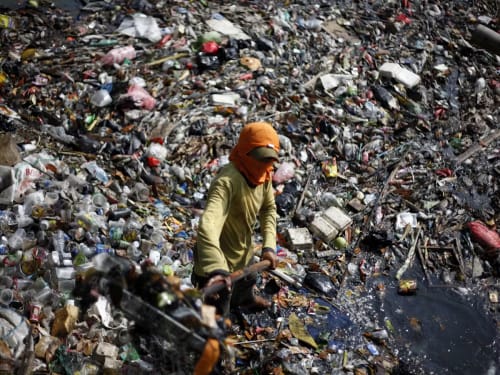
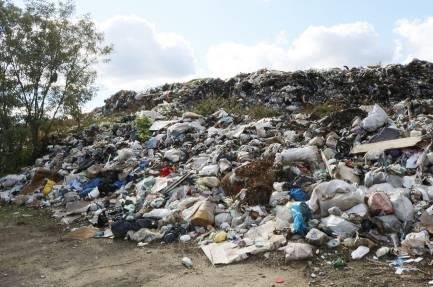
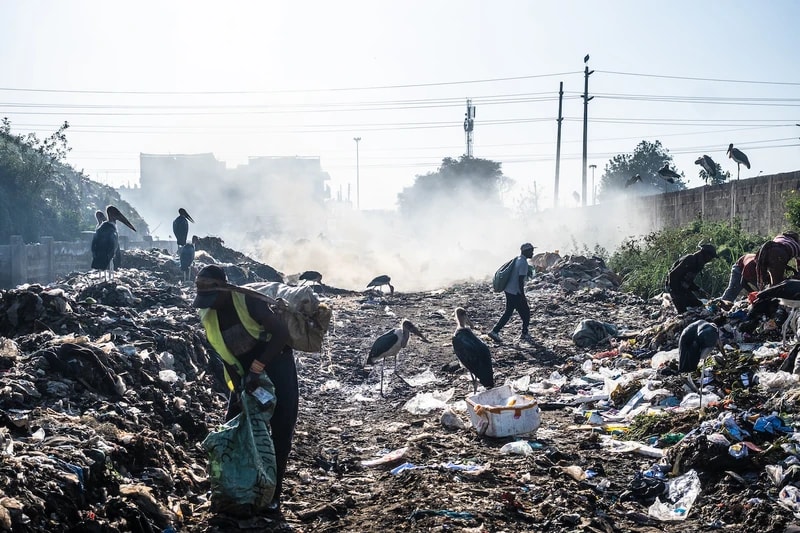
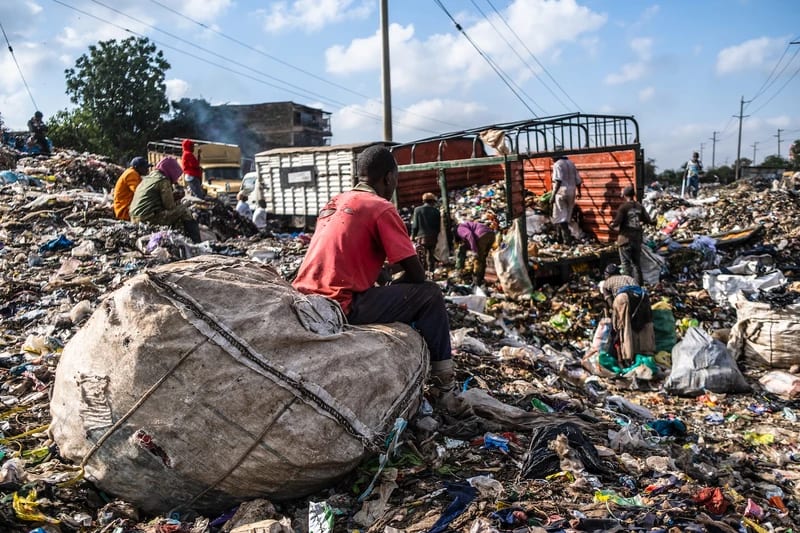
Located in Nairobi near the Korogocho slum, the Dandora Dumping Site starkly represents the city’s waste management crisis. The landfill covers an area equivalent to 30 acres and is a stone’s throw away from residential areas, schools, and playgrounds. The proximity of the dump to these vital community spaces means that the toxic smoke from the burning waste is a constant presence in the lives of the locals.
Health Hazards
The smoke from Dandora is not just an eyesore; it’s a toxic cocktail of chemicals that pose severe health risks. Children attending nearby schools, such as St. John’s, are particularly vulnerable. They are exposed to acrid smoke that wafts into classrooms, disrupting lessons and causing respiratory issues, eye problems, and other pollution-related illnesses. The situation is so dire in the community around the dump site.
Environmental Impact
The environmental impact of the Dandora Dumping Site is profound. Illegal dumping and the lack of regulation have led to the site encroaching on the school grounds and nearby homes. The burning of waste, particularly plastic, releases harmful pollutants into the air, soil, and water, affecting not just humans but also the local wildlife.

The Dandora Dumping Site is more than just an environmental issue; it’s a social one. The neighboring Korogocho slum, home to between 150,000 to 200,000 people, is plagued by high rates of poverty, crime, alcohol and drug abuse, domestic violence, and HIV/AIDS. The landfill exacerbates these issues, as many residents depend on scavenging from the dump to make a living.

Despite the clear dangers posed by the Dandora Dumping Site, there has been a lack of decisive action from the authorities. Environmental laws are ignored, and calls for the site's closure by human rights groups and U.N.-commissioned health studies have gone unheeded. The contested process to decommission the site was canceled, leaving the residents of Nairobi to continue bearing the brunt of this environmental neglect.

Dumping Site is a glaring example of the challenges facing rapidly urbanizing cities in developing countries. Nairobi’s struggle with waste management is a wake-up call for the need for sustainable practices and the enforcement of environmental regulations. As the city continues to grow, the health and well-being of its citizens must be a priority, and the Dandora Dumping Site’s legacy must serve as a lesson for the future of urban development.
Gallery
3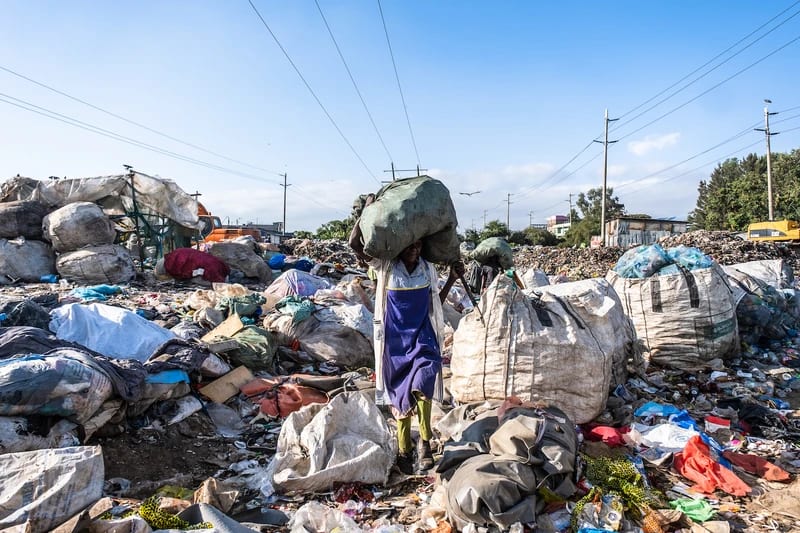
Timelines
2026
February
State to Relocate Dandora Dumpsite to Ruai in Planned Nairobi Waste Overhaul.
The Dandora dumpsite in Nairobi, which has far exceeded its original 500,000-tonne capacity, is slated for decommissioning as the government shifts waste operations to a new facility in Ruai.

The decades-old Dandora site has exceeded its designed capacity for years, posing documented health and environmental risks to residents in eastern Nairobi. Under the new directive, waste removal from Dandora will be conducted in phases to ensure the transition does not disrupt the city’s daily sanitation requirements.

Construction of a modern waste treatment plant is central to the project. The facility is designed to move the capital away from open dumping toward a circular economy model. Once operational, the plant will process municipal solid waste into value-added products, specifically organic fertilizer and renewable energy. Current plans project that the treatment facility will be completed and ready for full operations by 2027.

The project follows a series of multi-billion shilling environmental interventions in the capital, including the Nairobi Rivers Regeneration Project. The Dandora dumpsite, located adjacent to the Nairobi River, has long been identified as a primary source of industrial and domestic leaching into the water system. Its decommissioning is viewed by urban planners as a technical necessity for the broader river cleanup effort.
2023
An Environment Court has temporarily suspended a decision by the Nairobi County Government to award a Chinese firm a Ksh.47 billion tender to set up a 45 megawatts garbage-powered electricity plant at the Dandora dumpsite. Concerned public members said no feasibility study was done before the tendering process commenced. There was neither an environmental impact assessment on the said project nor an approval of its suitability on the earmarked site. Additionally, the county conducted no public participation exercise before the contract with the Chinese firm.
2021
The Environment and Land Court ordered the closure of the Dandora dumpsite in Kenya. The court also ordered the Nairobi Metropolitan Services (NMS) to relocate the dumpsite within six months.
2020
August 25
A waste-to-energy plant was to be constructed at Dandora, an eastern suburb in Nairobi, Kenya, by the Kenya Electricity Generating Company PLC (KenGen), Kenya’s largest electricity generator, in conjunction with the Nairobi Metropolitan Services (NMS). The two entities agreed on the development of the project. According to the agreement, the NMS will avail the land within or around the Dandora dumpsite in addition to solid waste. At the same time, KenGen will finance, develop, build, and operate the facility.
2001
The dump was declared full, and it continues to operate. People at the very bottom rungs of the socioeconomic ladder come here as their last hope to make a living from scavenging the waste, but at the same time, exposing themselves to tremendous pollution.
1975
The Dandora dumpsite in Nairobi, Kenya, opened.  It was funded in part by the World Bank.
 The dump site is located in the middle of the slums of Korogocho, Baba Ndogo, Mathare, and Dandora. It covers more than 30 acres.