- hot-spots
- air
- Kazakhstan
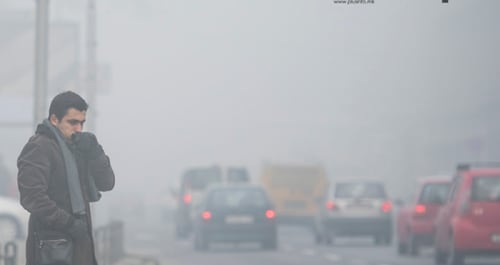
- Air pollution in Almaty, Kazakhstan
Problems
Kazakhstan: Struggling for Air in a Suffocating City
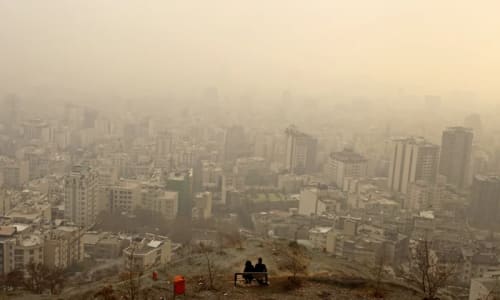
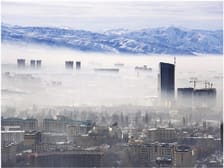
Smog hovering above Kazakhstan's largest city is now an almost permanent feature that mars otherwise stunning views from the snow-capped mountains to the south. In just a quarter century, haphazard urban planning has led to erosion of the city's green space, giving way to a proliferation of tall buildings that have disrupted natural ventilation patterns, thus trapping pollution churned out by the ever-growing number of outsized gas-guzzling vehicles that now clog roads.

The causes of air pollution are threefold:

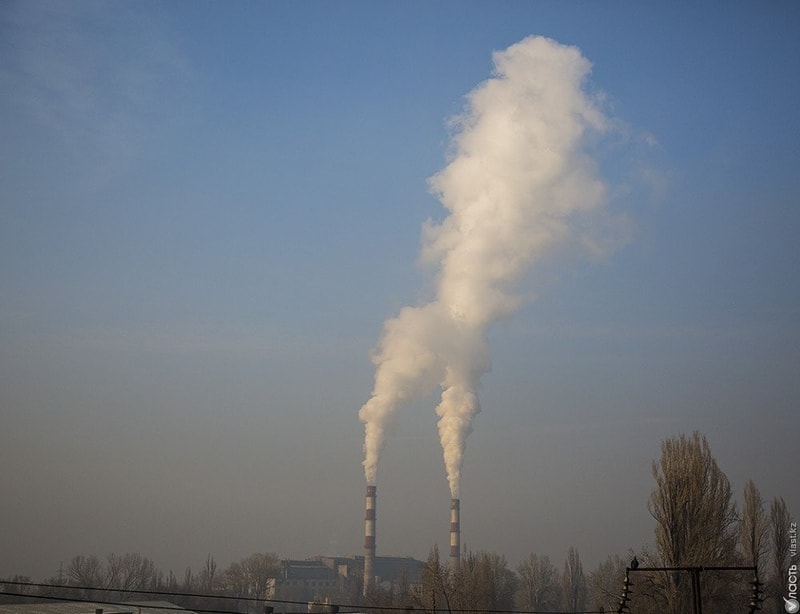
● heavy industries and power stations using coal;
● residential buildings using solid fuels in heating stoves;
● transportation that is outdated and does not meet emission standards.

Almaty, for example, is the city with the highest number of registered cars - about 470 000 at the end of 2019. With more people moving into cities, increased urbanization will bring even more traffic and energy needs which will have a further negative impact on the environment.
Gallery
6

Timelines
2025
At the end of 2025, high and very high levels of atmospheric air pollution were recorded in 11 settlements across Kazakhstan, with thousands of cases of exceedances of maximum permissible concentrations of harmful substances.

Experts from the Project Office for Central Asia on climate change and green energy of the Central Asian Climate Fund (CACF) analyzed atmospheric air monitoring data collected by RSE “Kazhydromet”.

High and very high levels of atmospheric air pollution were recorded in Almaty.
In Almaty in 2025, 12,309 cases of MPC exceedances were recorded for nitrogen dioxide, 2,749 for nitric oxide, 2,131 for suspended particles PM2.5, 1,704 for sulfur dioxide, 898 for carbon monoxide, 772 for suspended particles PM10, 77 for ozone, 28 for suspended particles (dust), and 1 for benzo(a)pyrene.
2022
March 28
According to a new World Bank report, a major source of air pollution with fine particles (PM 2.5 ) in Kazakhstan comes from dispersed small residential heating stoves and boilers.

According to IQAir , a global air-quality monitoring platform, PM 2.5 concentrations in Almaty regularly exceed the WHO Ambient Air Quality Guidelines by as much as 17 times in winter months.
2021
October 03
Positive trend outlined in the new Environmental Code is the management of payments coming to the local budget as a pollution charge from the industries and factories.

The change states that now 100 percent of the charges must be used to finance the activities aimed at improving the local ecological situation, including air quality.
2020
September 07
The main sources of air pollution in Almaty are emissions from a coal power plant, intense traffic and an aging fleet of cars, made worse by mountains and buildings blocking wind flows.

In response, Almaty is now looking at modernizing its thermal power plant; and 250,000 trees are being planted this year.

Pollution fell along with traffic during quarantine, but airborne levels of several toxic chemicals rose far above WHO limits.
2019
November 08
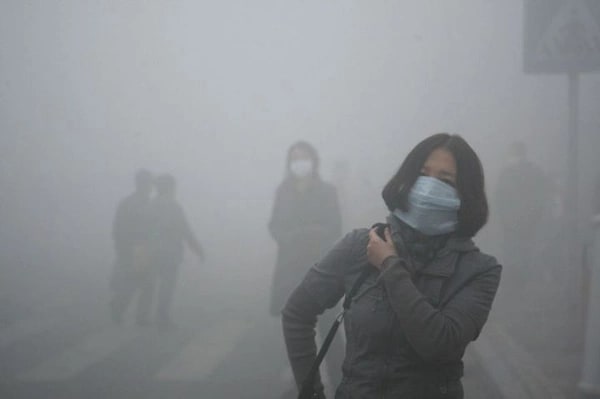
Air pollution in Kazakhstan is caused by many factors and poses serious threats to public health. Ambient air in the cities of Kazakhstan is polluted due to mining and processing of mineral resources, oil and gas production, gasoline and diesel fuel motor vehicles, industrial enterprises.