Biodiversity and Industrial Pressures in Walvis Bay, Namibia
Namibia
last update:
4 days agoProblems
Threat to Biodiversity in Walvis Bay
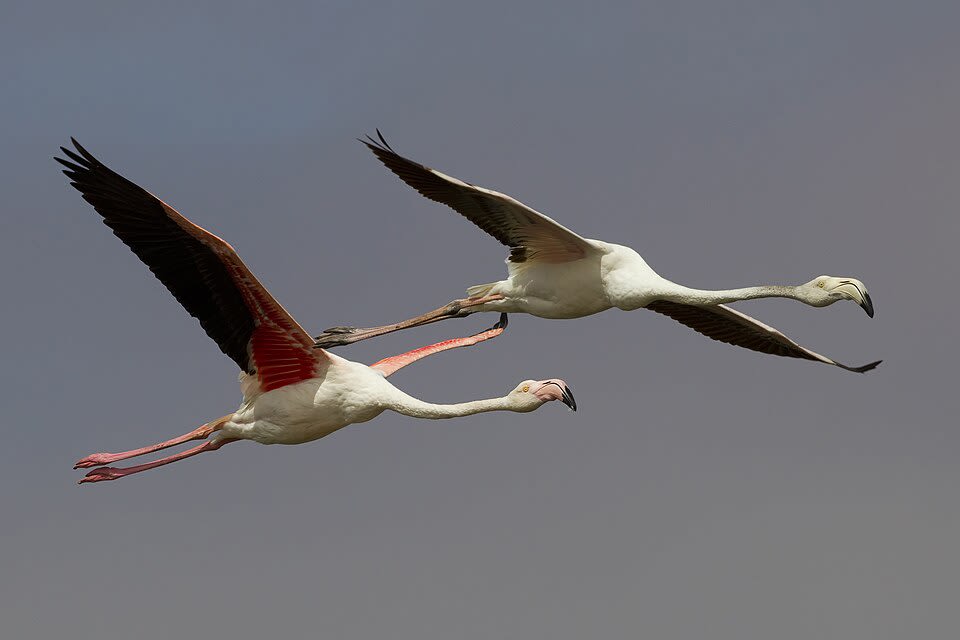
The Walvis Bay lagoon, a Ramsar-listed wetland of international importance since 1995, supports approximately 150,000 birds during peak season, including African black oystercatchers, lesser and greater flamingos, and various plover species. It is also recognised as a Key Biodiversity Area for its globally significant waterbird populations. Industrial expansion, coastal development, and changes to wetland hydrology can place pressure on habitats used by these internationally important bird populations, underscoring the need for careful management of the surrounding land and water uses.
Impact of Industrial Activities on Wetlands
Salt production at Walvis Bay relies on solar evaporation ponds that modify the natural hydrology of the wetland system. Well-managed salt works are not inherently pollutive, and the resulting salt pans can provide valuable habitat for wading birds and flamingos. However, changes to water flow, salinity gradients, and pond management practices can still affect the broader wetland ecosystem if not carefully coordinated with conservation priorities. Ongoing collaboration between industrial operators and conservation authorities helps ensure the wetland's ecological functions are preserved alongside continued salt production.
Pollution Pathways from Resource Extraction
Industrial and mining activity in the wider Walvis Bay area has raised concerns about heavy metal contamination reaching the lagoon and surrounding waters. A 2023 study monitoring heavy metals in Walvis Bay's sediments and marine organisms found levels that did not pose an immediate risk to the ecosystem, though researchers recommended continued monitoring given the area's ongoing industrial activity, including uranium mining and port operations. Sustained environmental monitoring remains important to detect any future changes in water and sediment quality before they could affect the wetland's marine life.
Climate Change and Its Effects on Coastal Ecosystems
Climate change presents growing risks to Walvis Bay's coastal ecosystems. Sea-level rise and increased coastal erosion threaten low-lying areas, including the Pelican Point sand-spit that shelters the lagoon, and a 2025 study on shoreline change in the area highlighted ongoing erosion and flooding risk. Rising sea levels can also increase saline intrusion into groundwater and coastal wetlands, altering the salinity balance that the lagoon's bird and marine life depend on. These pressures compound the existing demands placed on the wetland by nearby industrial and port activity, making long-term coastal monitoring and adaptive management important for protecting the area's biodiversity.
Threats from Mining Activities
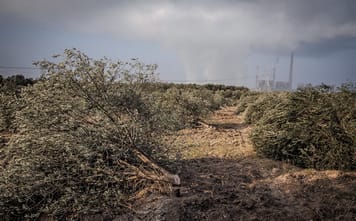
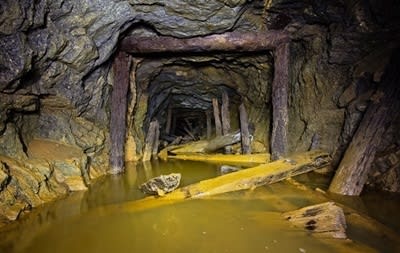
Mining is a significant driver of Namibia's economy and connects to Walvis Bay through the port and logistics network that serve the industry. The Husab Uranium Mine, one of the largest uranium mines in the world, is located roughly 45km from Walvis Bay in the Erongo region's hyper-arid landscape, where water resources are already limited. Husab began construction in 2013 and reached full production by the end of 2016, drawing on desalinated seawater to reduce pressure on the region's groundwater. While the mine itself is not situated on the lagoon, the cumulative footprint of mining, transport, and port operations in the Erongo region adds to the broader environmental pressures facing Walvis Bay's coastal and wetland ecosystems, underscoring the importance of continued environmental oversight.
Solutions
Integrated Coastal Zone Management
Author: National Planning Commission, Namibia
Namibia's National Policy on Coastal Management (2010) provides a framework for balancing development and conservation along the coast, including at Walvis Bay. An Integrated Coastal Zone Management (ICZM) approach involves stakeholder engagement, sustainable resource management, and protection of critical habitats such as the Walvis Bay lagoon, helping to coordinate industrial, tourism, and conservation interests in the area.
Pollution Control Measures
Author: Namibian Marine Researchers
A two-year scientific study tracking trace metal concentrations in sediment, water, and plants across Walvis Bay Lagoon provides an evidence base for pollution control. Continuing this kind of systematic monitoring, alongside stricter regulations on industrial runoff and best practices for waste management at nearby operations, is key to detecting problems early and keeping the wetland's water and sediment quality within safe levels.
Source: https://www.sciencedirect.com/science/article/pii/S2468227623002430
Biodiversity Conservation Programs
Author: Namibia Nature Foundation (NNF)
The Walvis Bay wetland is designated as a Ramsar Site of international importance and a Key Biodiversity Area for its waterbird populations. The Namibia Nature Foundation (NNF), working alongside BirdLife International and Namibia's Ministry of Environment, Forestry and Tourism, supports habitat protection, species monitoring, and public awareness efforts that help safeguard the lagoon's globally significant flamingo, oystercatcher, and other waterbird populations.
Source: https://nnf.org.na/
Community-Based Conservation Programs
Author: Ramsar Convention on Wetlands
The Ramsar Convention's 'wise use' framework, which governs the Walvis Bay Ramsar Site, calls for local communities and stakeholders to be engaged in wetland stewardship. Expanding community-based education and participation programs, so residents understand the value of the lagoon's biodiversity and take part in its protection, would strengthen local ownership of conservation outcomes and support the site's long-term ecological health.
Source: https://www.ramsar.org/about/our-mission/wise-use-wetlands
Monitoring and Research Initiatives
Author: Coastal and Marine Researchers
Ongoing scientific research at Walvis Bay, including a two-year study of trace metal levels in the lagoon's sediment, water, and plants, and a 2025 study of shoreline change and sea-level-rise impacts along the Walvis Bay coastline, provides the evidence base needed to track the health of the wetland over time. Sustaining this kind of monitoring and making the resulting data available to conservation authorities and researchers is essential for guiding future protection and adaptation efforts.
Source: https://www.sciencedirect.com/science/article/abs/pii/S0964569125001528
Gallery
3
Timelines
2025
January 01
A scientific study of shoreline change and sea-level-rise impacts along the Walvis Bay coastline highlights ongoing coastal erosion and flooding risk, underscoring the need for adaptive coastal management.
2023
June 01
A two-year scientific study of trace metal levels in Walvis Bay lagoon's sediment, water, and plants concludes, finding levels that do not pose an immediate risk to the ecosystem but recommending continued monitoring.
2016
December 01
Husab Mine starts production, intensifying resource extraction activities in the region.
2014
May 09
Mining operations formally begin at the Husab Uranium Mine, marking the start of one of the world's largest uranium mining operations near Walvis Bay's port and logistics network.
2013
February 01
Construction begins on the Husab Uranium Mine, located roughly 45km from Walvis Bay in the Erongo region, raising questions about water use and environmental impact.
2010
January 01
Namibia adopts its National Policy on Coastal Management, providing a framework for balancing coastal development with conservation, including at Walvis Bay.
1995
August 23
Walvis Bay is designated as a Ramsar Site of international importance, recognizing the wetland's significance for waterbird populations.