Infrastructure Collapse and Environmental Crisis in Gaza
Egypt, Israel, Palestine
last update:
2 months agoProblems
Destruction of Agricultural Land
The ongoing conflict in Gaza has led to the extensive destruction of agricultural land, with over 65 km² of farms and orchards destroyed by military operations. This loss is critical as agriculture constitutes a significant part of Gaza's economy and food security, exacerbating humanitarian crises and contributing to famine conditions. The destruction of agricultural infrastructure, including greenhouses and irrigation systems, has severely limited the ability of local farmers to produce food, leading to a reliance on imported goods that are often scarce due to the blockade. The loss of arable land not only threatens immediate food supplies but also undermines the long-term sustainability of Gaza's agricultural sector, which is vital for the livelihoods of many families.
Pollution of Water Sources
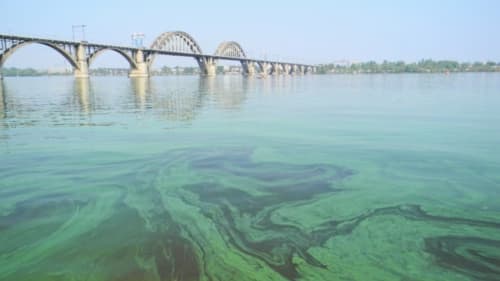
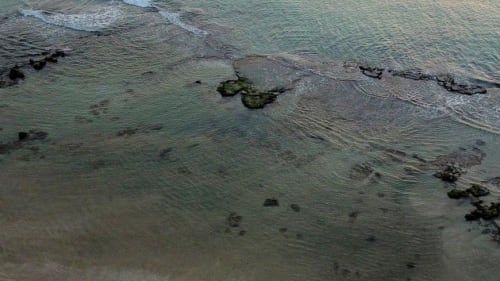
The blockade and military actions have resulted in severe pollution of water sources, with approximately 130,000 cubic meters of sewage being discharged into the sea daily. This contamination poses serious health risks to the population and degrades marine ecosystems. The sewage overflow is compounded by the destruction of wastewater treatment facilities, which have been rendered inoperative due to the conflict. As a result, the groundwater, which is already limited in supply, has become increasingly contaminated with toxins and pathogens, leading to a public health crisis characterized by waterborne diseases. The lack of clean water access further exacerbates the humanitarian situation, as residents are forced to rely on unsafe alternatives.
Collapse of Civil Infrastructure
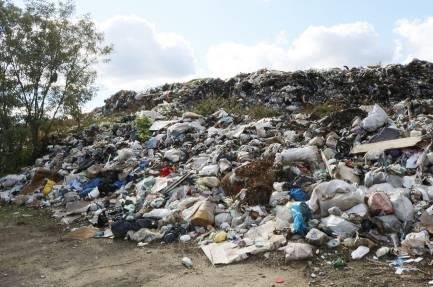
The conflict has led to a total collapse of Gaza's civil infrastructure, including sewage treatment and waste disposal systems. This has resulted in widespread environmental degradation and public health crises, as waste accumulates and essential services fail. The destruction of infrastructure has hindered emergency response efforts, making it difficult to address the immediate needs of the population. With the inability to manage waste effectively, landfills have proliferated, leading to further pollution and health hazards. The collapse of infrastructure also affects the delivery of humanitarian aid, as roads and transport systems are damaged, complicating efforts to provide essential services and supplies to those in need.
Loss of Biodiversity
The ongoing military operations and environmental degradation have led to a significant loss of biodiversity in Gaza. The destruction of natural habitats, including forests and wetlands, has displaced numerous species and disrupted local ecosystems. The use of herbicides and other chemicals in military operations has further harmed plant and animal life, leading to a decline in native species. This loss of biodiversity not only affects the ecological balance but also diminishes the resilience of ecosystems to withstand future environmental changes. The degradation of habitats has long-term implications for the region's ecological health and the services that these ecosystems provide to the local population.
Soil Degradation and Contamination
The extensive bombing and military operations have resulted in significant soil degradation and contamination across Gaza. Heavy machinery used in military actions has uprooted trees and destroyed agricultural fields, leading to soil erosion and loss of fertility. Contaminants from munitions and debris have further compromised soil health, making it increasingly difficult for farmers to cultivate crops. This degradation not only threatens current agricultural productivity but also poses long-term risks to food security and the health of the ecosystem, as contaminated soils can lead to toxic accumulation in food crops.
Solutions
Rehabilitation of Agricultural Land
Author: UN Environment Programme
Implementing programs aimed at rehabilitating agricultural land through sustainable practices can help restore food security in Gaza. This includes providing farmers with access to resources, training in sustainable farming techniques, and financial support to rebuild agricultural infrastructure.
Source: https://www.unep.org
Water Treatment Initiatives
Author: Palestinian Water Authority
Investing in new water treatment facilities and repairing existing ones is crucial to address the pollution of water sources. Initiatives that focus on sustainable water management and the recycling of wastewater can help provide clean water access to the population.
Source: http://www.pwa.ps
UN Environmental Program Initiatives
Author: UNEP
The UN Environmental Program has initiated various projects aimed at restoring the environment in conflict-affected areas, including Gaza. These initiatives focus on waste management, water treatment, and sustainable agriculture practices to help rebuild the ecological balance and support local communities in recovering from environmental damage.
Source: https://www.unep.org
Community-led Reforestation Projects
Author: Local NGOs
Local non-governmental organizations are working on community-led reforestation projects to restore lost tree cover and improve biodiversity in Gaza. These projects aim to engage local communities in environmental stewardship while providing educational resources on sustainable practices.
Gallery
4


Timelines
2025
March 01
The UN reported that the humanitarian situation in Gaza had reached catastrophic levels, with widespread food and water shortages affecting millions.
January 01
By January 2025, it was reported that 80% of Gaza's tree cover had been lost or damaged due to military operations and resource scarcity.
2024
December 01
By December 2024, around 170,000 buildings in Gaza (69%) had been damaged or destroyed, further deepening the environmental crisis.
September 01
Reports indicated that the groundwater in Gaza was severely contaminated, affecting the health of the local population.
June 01
Northern Gaza was described as a 'wasteland', unable to sustain life due to extensive environmental damage and destruction of resources.
May 01
By the end of May 2024, more than 140 landfills had formed across Gaza, exacerbating waste management issues and environmental pollution.
May 01
International calls for investigation into environmental war crimes.
April 01
Biodiversity loss in Gaza documented by environmental NGOs.
March 01
By March 2024, nearly half of the farmland in Gaza had been destroyed, exacerbating the humanitarian crisis.
March 01
Health crisis declared due to waterborne diseases.
February 01
Satellite data indicated that over 65 km² of farmland had been destroyed by military operations, severely impacting food security.
February 01
UN agencies report on the collapse of civil infrastructure.
January 15
Over 65 km² of farmland reported destroyed.
January 01
By January 2024, between 36% and 45% of Gaza's buildings had been damaged or destroyed, contributing to the collapse of civil infrastructure.
2023
December 01
Pollution levels in water sources reach critical levels.
November 01
UN warns of impending humanitarian crisis due to food shortages.
October 15
Reports indicate significant damage to agricultural infrastructure.
October 07
The conflict escalated significantly with the October 7 attacks, leading to increased military actions and subsequent environmental damage.
References
- UNEP Environmental Hotspots page
- Wikipedia: Gaza Strip
- Wikipedia: Environmental impact of the Gaza war
- Wikipedia: Misinformation in the Gaza war
- NASA Earth Observatory: Images
- Wikipedia: Gaza Strip smuggling tunnels
- Wikipedia: Environmental impact of war
- Wikipedia: Gaza humanitarian crisis
- Wikipedia: Muralee Thummarukudy