- hot-spots
- forest fire
- Turkey
- Wildfires in Turkey
Problems
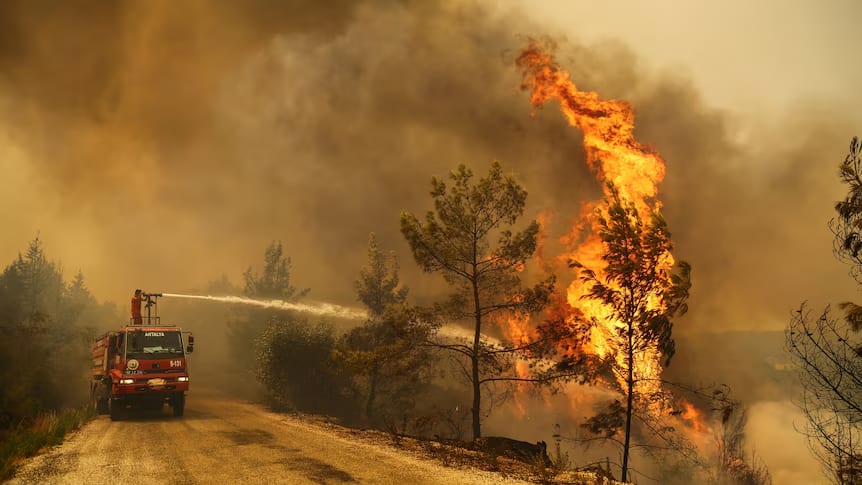
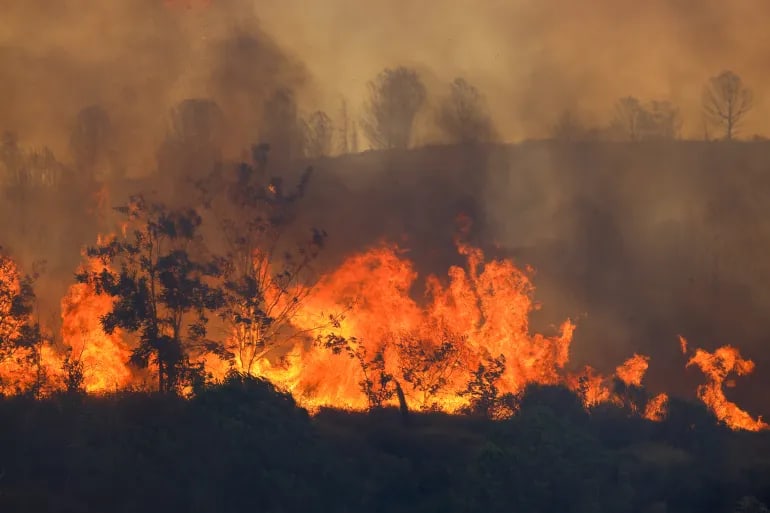
Like many locations worldwide, Turkey is sadly also subject to forest fires, which can easily rage in ignitable conditions when the sweltering sun is met with strong winds, frequently occurring in the summer months.

In the last eight years, the average number of forest fires has averaged nearly 2,500 fires. These fires burned about 17,000 acres (~7,000 hectares), approximately 7 acres (2.8 hectares) per fire. Eleven percent of fires are caused by lightning. Of the remaining 89% of human-caused fires, the cause of 60% is unknown.

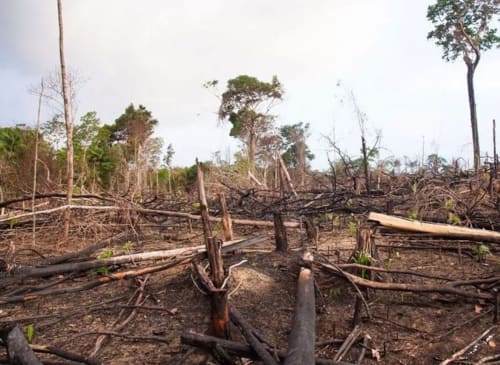
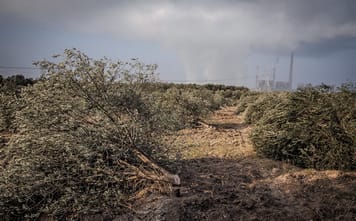
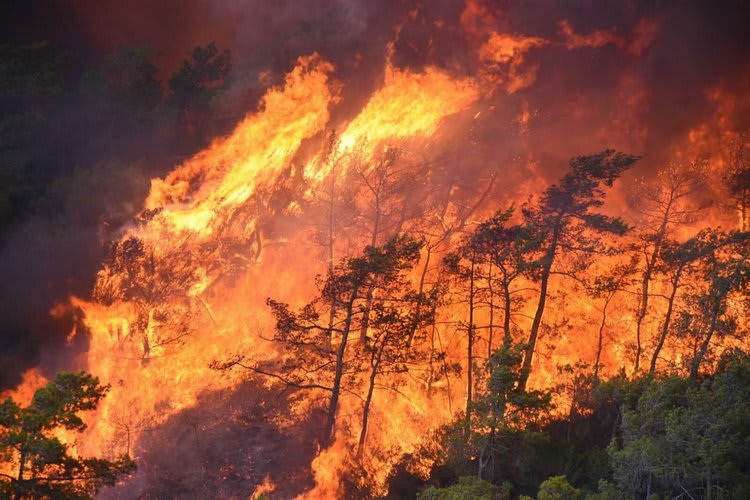
Turkey is facing some of its worst wildfires in years. More than 130 fires broke out nationwide, mainly in the southern and western regions. The fires claimed at least nine lives, destroyed thousands of homes and businesses, and burned over 100,000 hectares of land, including forests, olive groves, and farmlands.
Causes of wildfires
The causes of the 2023 fires are still under investigation, but some of the factors that contributed to their spread and intensity are clear. Turkey experienced a severe drought and heatwave in the months leading up to the fires, creating dry and flammable conditions for vegetation.

The average temperature in Turkey in July 2023 was 5.5 degrees Celsius, higher than the long-term average, and the country recorded its hottest-ever temperature of 49.1 degrees Celsius in the southeast. Moreover, strong and shifting winds, especially the northeast wind known as “poyraz” in Turkey, fanned the flames and made them unpredictable and hard to control.
Consequences of forest fire
The wildfires have left a lasting impact on Turkey’s environment, economy, and society. The loss of forests and biodiversity is a major blow to Turkey’s ecological balance and natural heritage. According to a study by researchers from Istanbul Technical University, the fires released about 12 million tons of carbon dioxide into the atmosphere, equivalent to about 2.5% of Turkey’s annual greenhouse gas emissions.

The fires also damaged Turkey’s tourism industry, which was already struggling due to the COVID-19 pandemic. Many popular destinations such as Antalya, Bodrum, and Marmaris were affected by the fires or the smoke and ash covering the skies. Furthermore, the fires have caused immense suffering and trauma for thousands who lost their loved ones, homes, livelihoods, and belongings.

The 2023 wildfires in Turkey are a wake-up call for the country and the world to take urgent action to prevent and mitigate such disasters in the future. The fires have highlighted the need for better preparedness, coordination, equipment, and communication among all firefighting and disaster relief stakeholders.
Gallery
7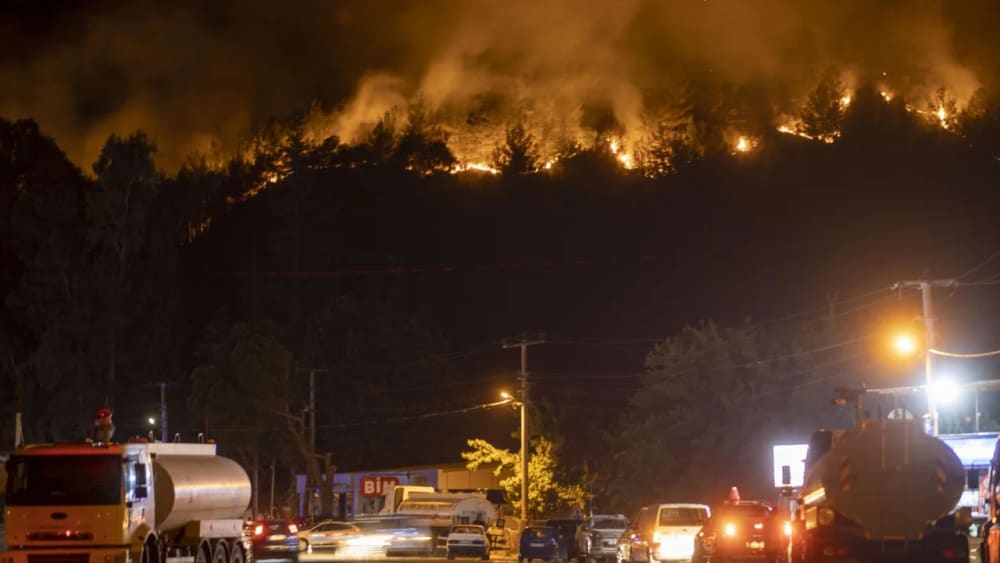

Timelines
2026
September 10
Satellites are picking up an intense heat signature over an active wildfire near Tepecikören, Turkey, where the front has triggered 64 heat detections in the past 48 hours alone.
Having started on September 9, 2026, the blaze has expanded to consume 1,600 hectares, which equals 3,954 acres - about 16 km².

This incident unfolded during the region's typical fire season, which runs from June to September. Across the country, the broader landscape reflects a total of 43,877 hectares burned so far in 2026, tracking 18% below the two-decade average.
September 08
Burning near the city of Kösreli in Turkey, an active wildfire has consumed 880 hectares, equivalent to 2,175 acres, since it started on September 7.
Satellites are picking up a moderate heat signature from the front, with 123 heat detections recorded in the area over the past 48 hours, illustrating the current spread of the blaze.
September 07
Burning near the city of Kösreli in Turkey, an active wildfire started on September 7.
August 29
Smoke is rising from a forest fire that started in an agricultural area in the Korubükü neighborhood in the Seydikemer district of Mugla due to strong winds and spread to the Kas district of Antalya, Turkiye, on August 29.
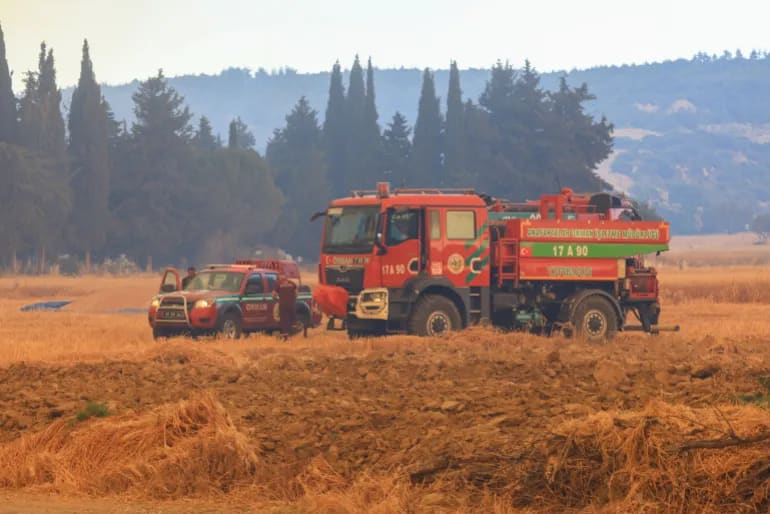
Aerial and ground crews continue intensive firefighting operations as smoke billows from the affected forest region.

While intervention continues from air and land, it is reported that some houses in the region have also burned.
According to initial assessments, approximately 50 hectares of land were damaged in the fire.
July 16
A fire event occurred near Pazarcık (approximately 14 km away) in Turkey, an area that experiences a range of natural hazards. An estimated 14.6K people live within 35 km of the event location, placing this in the "significant" population impact tier.

This event is a significant wildfire detected by satellite with a fire radiative power of 109 MW, suggesting active, intense burning across multiple detection pixels.
2025
September 19
A new wildfire erupted between the districts of Kundu and Belek in Antalya, adding to a series of blazes that have recently hit Alanya and Muratpaşa, according to local outlet Antalya Hakkında.

The cause of the fire has not yet been determined. Firefighting teams from Antalya Metropolitan Municipality, regional forestry units, and security forces were immediately dispatched.

Crews remain on high alert as strong winds raise the risk of the flames spreading to surrounding areas.

Residents in nearby locations were directed to safe zones as a precaution, while officials said the blaze turned night into day with its intensity.

Reports indicate that another fire broke out around 9 pm in the forested Komköy area of Aksu district. Multiple water tankers and firefighting teams were sent to contain it.

When the flames neared strawberry greenhouse farms, crews prioritized protecting the agricultural lands.

The fire is currently advancing toward the sea and remains distant from residential neighborhoods, though teams continue intensive efforts to prevent it from spreading further.
August 12
Firefighters battled multiple wildfires across Turkey, with a large blaze in the northwestern province of Canakkale burning for a second day after hundreds of residents were evacuated in precaution.

Wildfires in Canakkale’s Ezine and Ayvacik districts were largely brought under control, but blazes in the city center in the southern part of the Dardanelles Strait were still burning, Agriculture and Forestry Minister Ibrahim Yumakli said.

Other wildfires in the northern province of Edirne and southern province of Hatay were completely brought under control while efforts were underway to battle another wildfire in the western province of Manisa, Yumakli said.
August 11
Turkey is facing one of its worst wildfire crises in recent history, with Çanakkale at the epicenter.

The city's airport, as well as a part of the highway, was shut down due to the wildfires for several hours.

Massive fires near Sarıcaeli have forced the closure of the Dardanelles Strait, displaced over 15,000 people, and destroyed thousands of hectares of forest.

Other provinces, including Bursa, Karabük, and Eskişehir, are also battling severe blazes, resulting in 17 fatalities and widespread environmental and economic damage.

Temperatures in the region reached 33 degrees Celsius with a wind speed of up to 66 kilometres per hour, according to Turkey's meteorological service.

Prolonged drought, record heat, and strong winds have fueled the devastation, highlighting the urgent need for stronger wildfire prevention, response, and climate adaptation measures.
August 08
The fire, which broke out near Yigitler village and spread to a forested area under strong winds, had prompted precautionary evacuations in the villages of Sacakli, Ahmetceli, Doganca, Zeytinli, and Pitirelli.

A total of 654 residents were relocated to safe zones. Authorities reported that four suspects have been taken into custody as part of the ongoing investigations into the cause of the fires.
July 01
In Turkey, wildfires raged for a second day in the western province of Izmir, fanned by strong winds, Forestry Minister Ibrahim Yumakli said.

More than 50,000 people have been evacuated from five regions, including more than 42,000 in Izmir, Turkey's AFAD emergency management authority said.

Turkey's coastal regions have in recent years been ravaged by wildfires as summers have become hotter and drier, which scientists say is a result of human-induced climate change.
2024
June 24
The 2024 Turkey wildfires were a series of wildfires that broke out in Turkey throughout 2024 and spread as a result of strong winds and dry conditions.

Turkey faces wildfires across the country due to extreme heat, sometimes reaching above 40 degrees Celsius and wind.

As of 24 June 2024, the most impacted region was in Diyarbakır province, where a mid-June fire killed at least 12 people.

The fire started from the burning of crop stubble in rural Koksalan at around 22:15 TRT (19:15 UTC), and spread into five villages, including Yazcicegi and Bagacik in the Çınar, Diyarbakır municipality due to strong winds. At least 78 people suffered from fire-related injuries and smoke inhalation, with five people requiring intensive care. In addition, hundreds of livestock were killed.

Turkey has experienced 74 wildfires so far this year, which have ravaged 12,910 hectares (31,900 acres) of land, according to the European Forest Fire Information System (EFFIS).
April
In Turkey, there have been 120 VIIRS fire alerts reported so far in 2024 considering high confidence alerts only. This total is normally compared to the total for previous years going back to 2012.

In Turkey, the peak fire season typically begins in mid-June and lasts around 18 weeks. There were 1,119 VIIRS fire alerts reported between the 5th of June 2023 and the 8th of April 2024 considering high confidence alerts only.
2023
September 05
Late afternoon, the Black Mountain Lookout reported visible smoke on the Turkey Fire in the Pinos Altos Range on the edge of the Gila Wilderness. Due to precipitation over the last several weeks, the Turkey Fire has shown very little activity.

With the recent rise in temperatures and drier conditions, the Turkey fire is showing slow growth on the east side of the Goose Lake Area and producing smoke visible from Gila and Cliff. Similar fire behavior is expected to continue until significant moisture falls in the area.
August 22
Maritime traffic from the Aegean Sea to the Sea of Marmara has been suspended due to the ongoing forest fire in the Turkish northwestern province of Canakkale, the transport ministry and a shipping agency said.

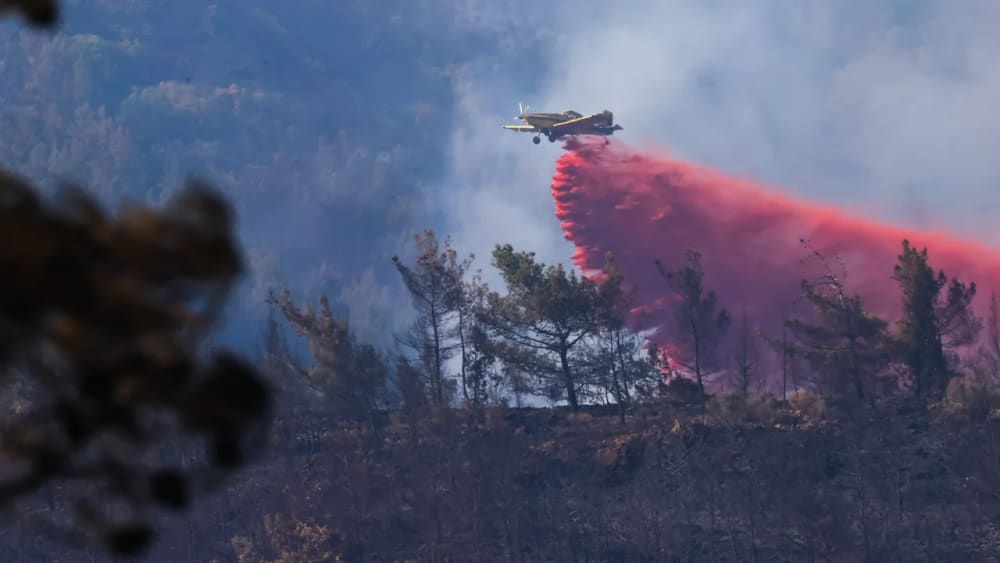
"The traffic at Dardanelles was suspended for both directions on Tuesday at 18:45 (1545 GMT) hours due to the aircraft intervening in the forest fire in the region by safely taking water from the sea," Tribeca shipping agency said.

According to Tribeca, 15 northbound and 19 southbound vessels were stranded on either side of the waterway. It said one of the northbound vessels and five of the southbound vessels are substantial in size, measuring over 200 meters (656 feet) in length.

Agriculture and Forestry Minister Ibrahim Yumakli said the forest fire had prompted the evacuation of six villages in its path.
July 17
A total of 19 wildfires have affected Turkey’s southeastern Hatay and Mersin provinces and Çanakkale province in the country’s northwest since July 16.
2022
August 13
The Agriculture and Forestry Ministry stated that 12,384 hectares of forestland were lost in 2,043 fires in 2022.
2021
July 28
More than two hundred wildfires burnt 1,700 square kilometers of forest in Turkey’s Mediterranean region in the worst-ever wildfire season in the country’s history. The wildfires started in Manavgat, Antalya province, and spread to other provinces such as Muğla, Mersin, and Aydın. The fires were fueled by a heatwave and drought conditions that were made more likely by climate change. The fires killed nine people and injured more than 800 others.
2020
October 09
On the anniversary of PKK leader Abdullah Ocalan's expulsion from Syria on October 9, 1998, major fires exploded across Turkish cities on October 10, burning down approximately 400 hectares of forests, empty residential buildings, and several dozen animals.
October 09
A forest fire started in Sarımazı neighborhood of Belen district in Hatay Province, southern Turkey. The fire burnt 400 ha (990 acres) of forest within two days. The fire spread to İskenderun and Arsuz districts, affecting many residences, factories, and nearly 100 people. According to an investigation, the fire resulted from arson masterminded by İzzettin İnan, alias "Seyfettin," and Suvar Derweş, Kurdish militants in the Afrin Region, northwestern Syria.
2008
June 12
A devastating forest fire swept through the Marmara region, especially in the provinces of Bursa and Balıkesir, consuming more than 5,000 hectares of land and killing four people. The fire was triggered by a lightning strike during a thunderstorm.
1994
July 14
A series of forest fires erupted in the Mediterranean region, destroying more than 13,000 hectares of forests and olive groves. The fires were suspected to be arson attacks by the Kurdistan Workers’ Party (PKK), a militant group that waged a separatist insurgency against the Turkish state.