Create your custom sustainability policy in minutes — free for a limited time
Get Started →Search type
Countries
Fields
List of Rivers HotSpots
71 Eco Hot Spots
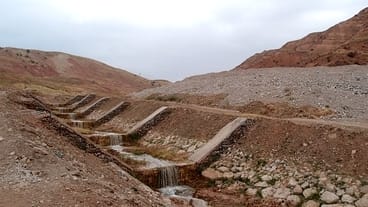
Groundwater pollution with radioactive waste in Mailuu-Suu, Kyrgyzstan
Kyrgyzstan
- #waste
- #rivers
last update:
last year
Water pollution Tiete River, Brazil
Brazil
- #rivers
last update:
last year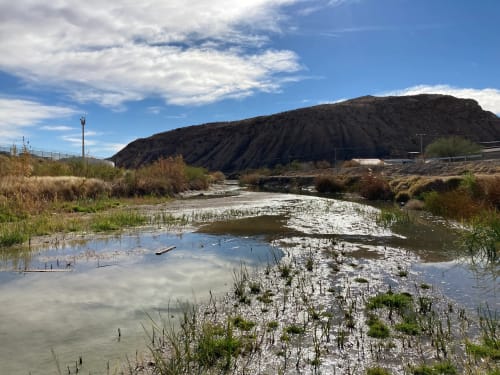
Pollution of the Rio Bravo (Rio Grande) River by sewage
Mexico
- #toxic waste
- #rivers
last update:
last year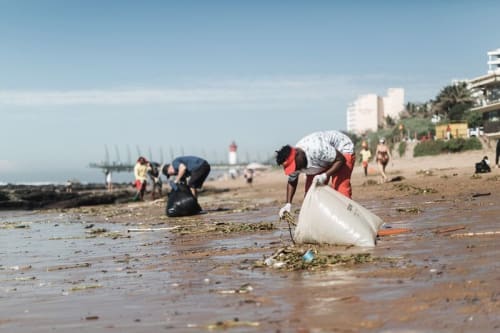
Sewage crisis in Durban, Republic of South Africa
South Africa
- #waste
- #rivers
last update:
last year
River pollution in Wales, United Kingdom
United Kingdom
- #rivers
- #sewage
last update:
last year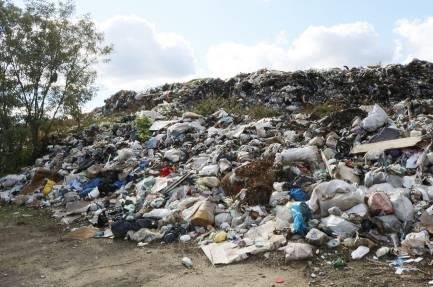
Waste dumping in Ghidighici Lake, Moldova
Moldova
- #waste
- #rivers
last update:
last year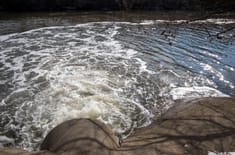
Indiana has the dirtiest waterways in the USA
USA
- #rivers
last update:
last year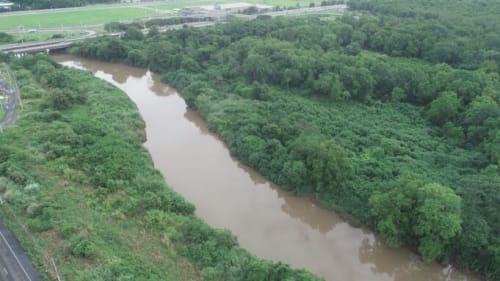
Water pollution Juan Díaz River, Panama
Panama
- #rivers
last update:
last year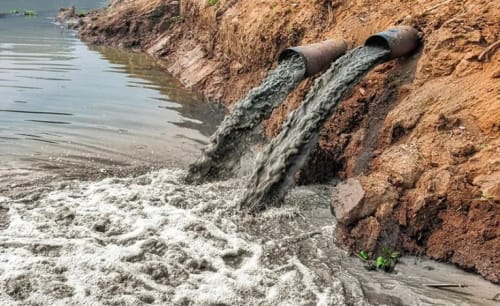
The pollution of Nigeria’s sacred Osun River
Nigeria
- #waste
- #rivers
last update:
last year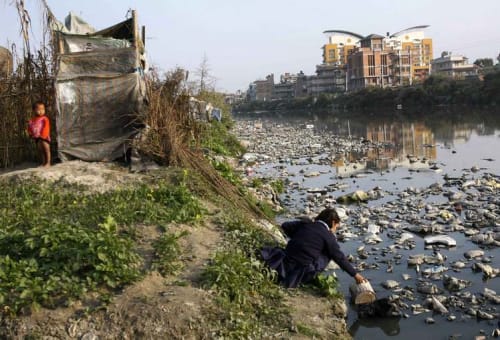
Sewage and rubbish choke Nepal’s holy Bagmati river
Nepal
- #waste
- #rivers
last update:
2 years ago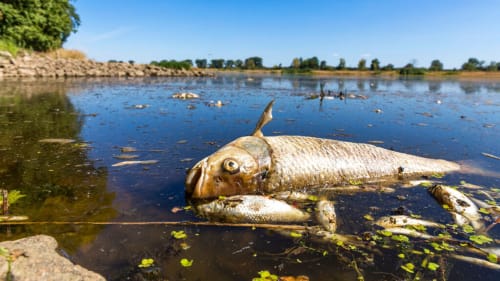
Mass fish die-off in Oder river
Germany
- #rivers
last update:
2 years ago
Pollution of Amur River
China, Russian Federation
- #rivers
- #biodiversity
last update:
2 years ago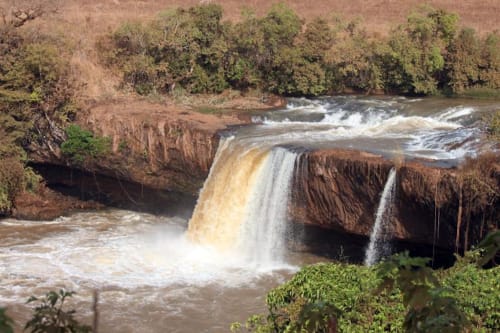
Pollution of Cameroon's water resources
Cameroon
- #toxic waste
- #waste
last update:
2 years ago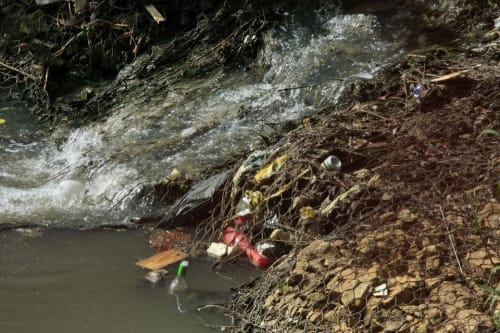
Pollution of the Iguazu River, Brazil
Brazil
- #rivers
last update:
2 years ago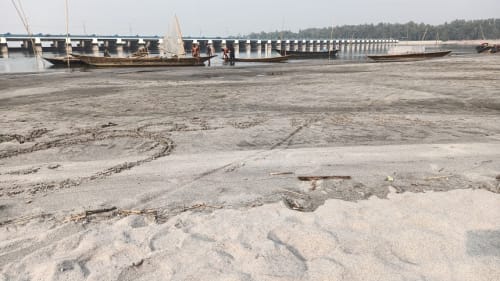
Drying up of Teesta River, Bangladesh
India, Bangladesh
- #rivers
- #drying
last update:
2 years ago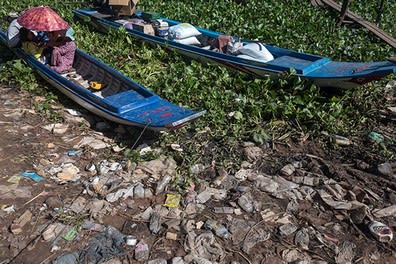
Mekong River Pollution
Laos, Cambodia, Thailand, Vietnam, China, Myanmar
- #rivers
last update:
2 years ago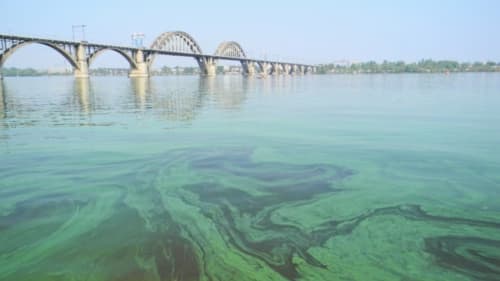
Water pollution in the Dnipro River, Ukraine
Ukraine
- #climate
- #rivers
last update:
2 years ago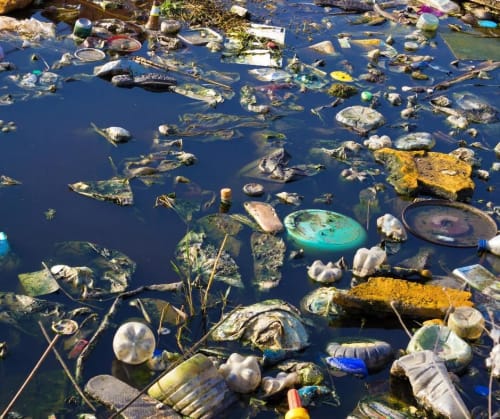
Pollution of the Prut River in Ukraine
Ukraine
- #rivers
- #waste
last update:
2 years ago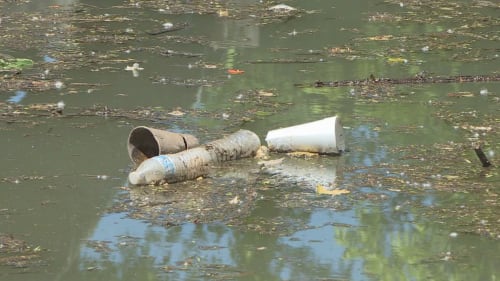
Plastic pollution in the Tennessee River, USA
USA
- #plastic pollution
- #rivers
last update:
2 years ago
Pollution of the Jiu River, Romania
Romania
- #rivers
- #chemical pollution
last update:
2 years ago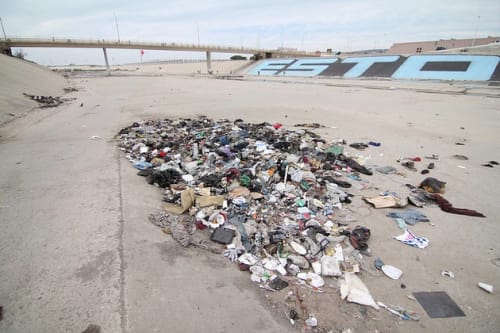
Tijuana River sewage crisis
USA, Mexico
- #rivers
- #sewage
last update:
2 years ago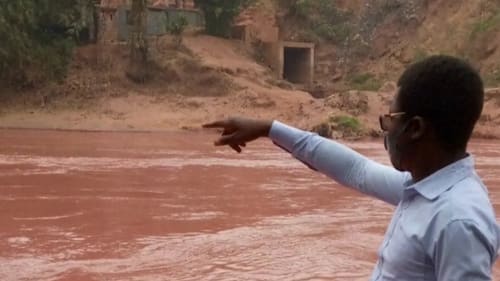
Toxic spill at Angola diamond mine pollutes Congo River tributary in DRC
Democratic Republic of the Congo
- #toxic waste
- #rivers
last update:
2 years ago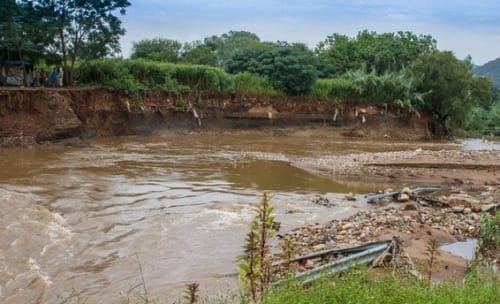
Apies River declared a disaster area
South Africa
- #rivers
last update:
2 years ago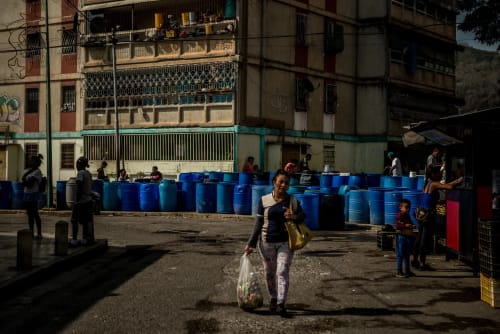
Water crisis in Venezuela
Venezuela
- #rivers
last update:
2 years ago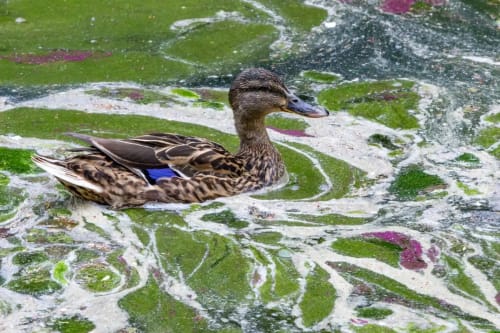
Toxic chemicals are found in virtually every South Carolina river tested
USA
- #rivers
last update:
2 years ago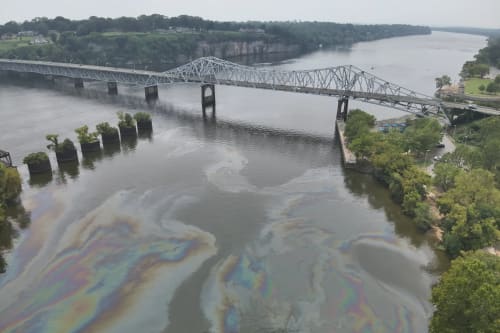
Diesel spill on Tennessee River, USA
USA
- #oil
- #rivers
last update:
2 years ago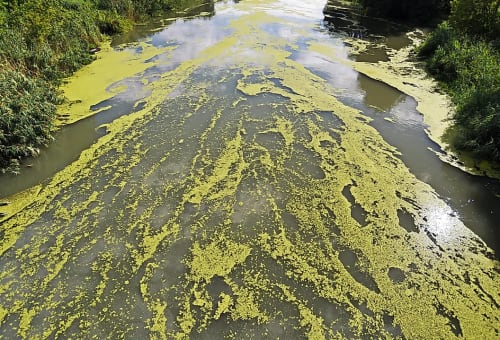
Water pollution Ohio River, USA
USA
- #rivers
- #chemical pollution
last update:
2 years ago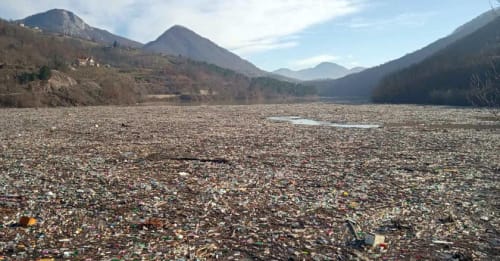
Pollution of the Lim River in Serbia
Serbia
- #rivers
- #waste
last update:
2 years ago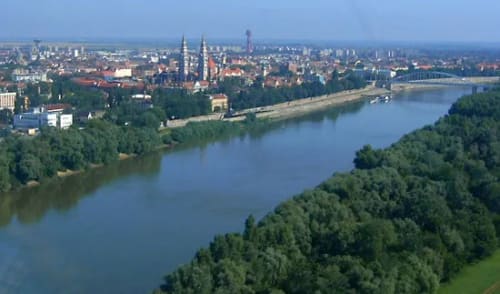
Pollution of the Tisza River in Romania
Romania
- #chemical pollution
- #toxic waste
last update:
2 years ago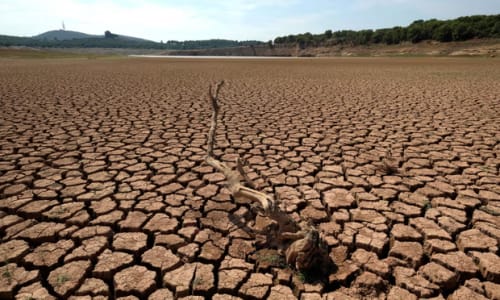
Drying up of the Tagus River, Spain
Spain, Portugal
- #rivers
- #drying
last update:
2 years agoWhat are hotspots in rivers?
    River hotspots are the most ecologically damaging rivers in the world. Today, these hotspots can be found in almost every country in the world, despite desperate attempts by environmentalists and Greenpeace to prevent their occurrence. More often than not, the microflora in river Hotspots is overflowing with pathological microorganisms of chemicals and biological products of decay. Thus, the water in these rivers becomes unfit not only for humans but primarily for the fish and reptiles that live in them. All this leads to the mass death of fish, poisoning of animals drinking the water of their rivers, and sometimes even people.

     Hotspots form because of active industrialization. At some point, most countries decide to conserve water. For this purpose, state regulation and control of runoff from enterprises are introduced, and fines for non-compliance are imposed. Unfortunately, many factors affect whether these requirements will be met or not. The most problematic objects are rivers because they are the carriers of drinking water.

     Most rivers tend to regenerate themselves if pollution is stopped. These processes are long enough and can take decades. Some technologies can intensify the processes of self-remediation, but the cost of their implementation is quite high, so not all countries can afford it.
In the dry residue, we have many rivers that continue to pollute and be a serious environmental threat.
Main types of hotspots of rivers
The main cause of pollution of water arteries and lakes can be safely called anthropogenic load. Intensive development of industry, population growth, and growth of wastewater discharges lead to an increase in the concentration of harmful products, which affects not only the flora and fauna but also the quality of life of the population.

● Sewage

Sewage effluent adversely affects fish, mammals, as well as their food base - aquatic plants and invertebrates. Wastewater treatment plants cannot cope with such a load, and as a result, not only rivers and lakes themselves but also their underground and surface sources are polluted.

● Industrial Waste

The growth of industry due to the growing needs of the population leads to an inevitable increase in waste. Wastes from industries are often not properly treated due to cost savings and contain heavy metals, phenols, formaldehyde, tannins, insoluble compounds, oil refinery products, etc. They change the chemical composition of water, causing diseases, death, and mutations among fish and invertebrates, hurt vegetation and have a detrimental effect on vertebrate inhabitants of the aquatic environment: their protein metabolism and thermal processes are disrupted. Industrial wastes account for a large part of the mineral and radioactive pollution of river bodies.

● Solid Waste.

The lack of landfills or their illegal creation, and the consequent dumping of solid waste into the river leads to the formation of entire garbage islands. They prevent sunlight and oxygen from getting in and release harmful chemical compounds as they decompose. Plastic pollution disrupts the natural processes of ecosystems, leading to the destruction of food chains.

● Thermal pollution

The discharge of warm water into water bodies as a result of power plants has an equally adverse effect, disturbing the natural habitats of fish and algae. The processes of some organisms are accelerated, leading to their excessive reproduction and clogging (algae overgrowth and waterlogging of lakes). Other organisms which are not physiologically adapted to the new environment are forced to migrate or die from organismal disorders.

● Atmospheric pollution

Exhaust fumes from cars and air pollution from thermal power plants, and industrial structures lead to air pollution and concentrations of harmful substances in rainwater. Particularly harmful are soot, ash, and ash. Carried for many kilometers, they react chemically in the water to form acids. Acid rain changes the chemical composition of water, and acidifies it, again leading to disruption of the living organisms of water bodies.
Why is there a need for increased attention to river hotspots?
     Ecological hotspots of rivers are a real disaster for mankind. Most of the rivers are already almost impossible to clean. Unfortunately, humanity, for the most part, is not yet aware of the magnitude of the problem. Consumptive attitude to water resources, and illegal dumping of garbage into the river still takes place. However, eco-activists are increasingly urging people to use water bodies rationally and treat them with care, organizing large-scale educational campaigns. In localities, regular clean-up events are held to clean coastal areas and the bottom of lakes and rivers of garbage. There is agitation for the mass rejection of plastic bags and plastic.

     If the rate of pollution of water supplies does not slow down, humanity as a whole will soon begin to experience water shortages. There is already a shortage of clean, usable fresh water in some parts of the world. This shortage will affect not only the population but also the animal world. No living organism can exist without fresh water, so in case of water shortage not only individual organisms and populations but entire species will die out en masse. That is why it is so important to draw the attention of the authorities and the public to those regions where river hotspots are observed and to start taking measures to restore rivers and their flora and fauna.