- hot-spots
- forest fire
- Ukraine
- Holy Mountains National Nature Park Is on Fire From Hostilities, Ukraine
Holy Mountains National Nature Park Is on Fire From Hostilities, Ukraine
Ukraine
last update:
last monthProblems
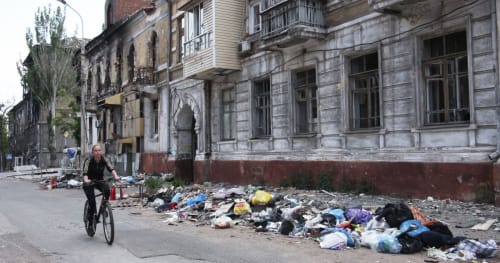
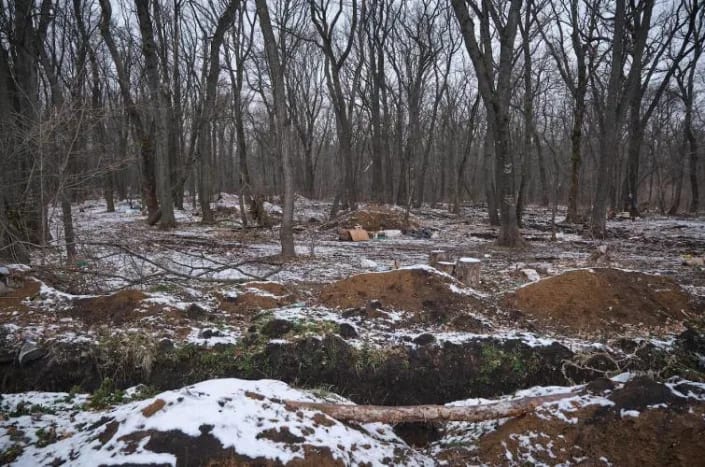
In the first six months of intense conflict in Ukraine, approximately one-third of the forest reserve was damaged, resulting in an environmental loss of nearly 1 trillion hryvnias. Over 5,000 hectares of forests within the Sviati Hory (Holy Mountains) National Nature Park in Donetsk Oblast were decimated early in the full-scale Russian invasion of Ukraine.

The Ministry of Environmental Protection and Natural Resources in the country reported that, as a result of the actions by the Russian occupiers during the hostilities, 80% of the Holy Mountains National Nature Park in the Donetsk region had been destroyed. Some areas where forests once stood have been ravaged and replaced by burnt-black earth.

The park's infrastructure has also been severely affected, with vehicles, computer equipment, and other resources being destroyed or stolen. Military operations within the National Park had destroyed 60 to 70 percent of the forest plantations.
Gallery
4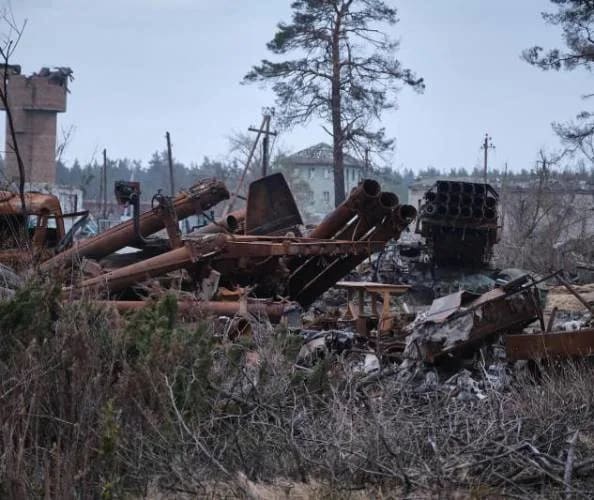


Timelines
2026
July 22
Nearly a third of the forests in Svyatogorye have been destroyed by the war.
The “Holy Mountains” National Nature Park is currently operating under conditions that no other nature conservation institution in Ukraine has ever experienced in peacetime. The park’s territory is located near the front lines; it has been subjected to drone strikes, aerial bombings, and the constant threat of further destruction.

Since the start of the full-scale war, approximately 80% of the park’s territory has been affected by hostilities, and nearly 30% of its forest areas have been virtually destroyed by fires, explosions, and other consequences of the war. This information comes from the “Holy Mountains” National Nature Park.

Despite this, the park’s work continues. The park’s staff continues to:
• implement nature conservation measures where the security situation permits;
• record and document damage to natural ecosystems;
• maintain the park’s operations;
• prepare materials for the future restoration of areas affected by the war.
• provide environmental education both online and offline.

Today, the institution’s main task is to preserve the park as a nature conservation institution and as part of Ukraine’s natural heritage, so that once the war ends, it will be possible to restore not only the forests and steppes, but also the entire ecosystems of Sviatohiria.
2023
The war in Ukraine has destroyed more than 5000 hectares of forest in the Sviati Hory ("Holy Mountains") National Nature Park by fire due to shelling. Hundreds of thousands of wild animals have been killed by explosions and mines in the National Nature Park. The park's infrastructure suffered significant damage, and vehicles, computers, and other equipment were either stolen or destroyed. The all-wood All Saints Shrine in the village of Tetianivka in the Holy Mountain National Nature Park was reportedly burnt down.
2022
Participants in a meeting of the United Nations Economic Commission for Europe's "Convention on Long-Range Transboundary Air Pollution" condemned Russia's brutal actions in the war against Ukraine, accompanied by humanitarian catastrophe, nature's mass destruction, and pollution of the environment.
2008
Chalk mountains in the National Nature Park were included in the Top 100 of the "7 Wonders of Ukraine" competition.
1997
The Holy Mountains were declared The National Natural Park.
1988
Kherson region covered the base of the Kinburn Spit, which is part of the Black Sea Biosphere Reserve and was the first in the former USSR to receive a UNESCO certificate.
1975
The Holy Mountains were declared the State Landscape Reserve.
1963
The Holy Mountains (then - the Artyom Mountains) were declared a natural monument.