Search type
Countries
Fields
List of Climate HotSpots
55 Eco Hot Spots
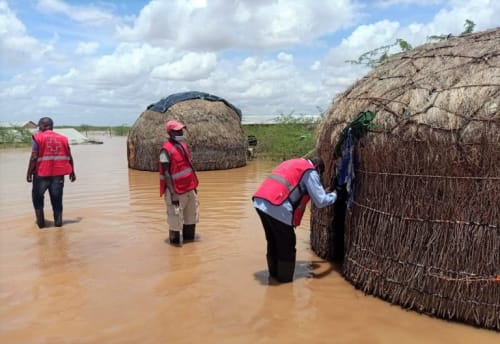
Floods in Kenya
Kenya
- #floods
- #climate
last update:
6 months ago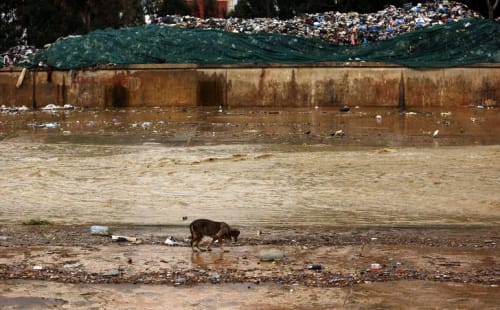
Water crisis in Lebanon
Lebanon
- #water conservation
- #climate
last update:
6 months ago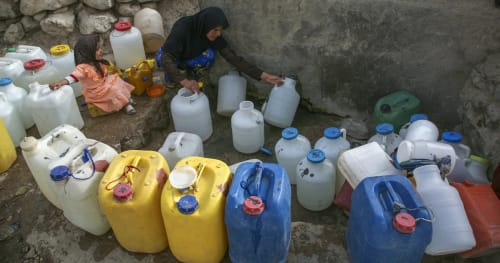
Water crisis in Iran
Iran
- #climate
- #water conservation
last update:
6 months ago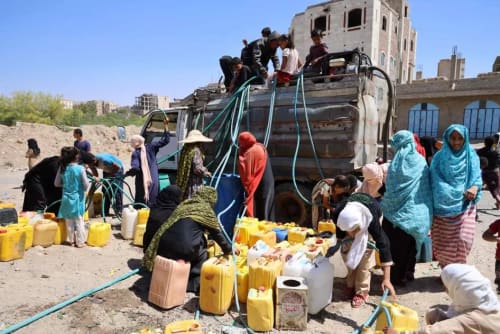
Water scarcity in Yemen
Yemen
- #water conservation
- #climate
last update:
7 months ago
Deforestation in Monarch Butterfly Reserve, Mexico
Mexico
- #deforestation
- #climate
last update:
7 months ago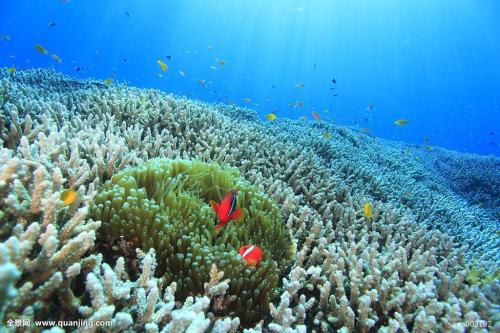
Caribbean coral reefs are dying
USA, Bermuda, Belize, Cuba, Dominican Republic, Haiti, Jamaica
- #coral reefs
- #ocean
last update:
8 months ago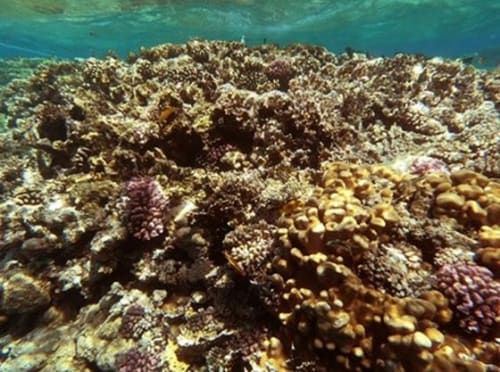
Red Sea coral reefs under threat
Egypt, Sudan, Eritrea, Saudi Arabia, Yemen, Israel
- #coral reefs
- #climate
last update:
8 months ago
Massive bleaching of the coral on the northern end of the Great Barrier Reef
Australia
- #climate
- #ocean
last update:
8 months ago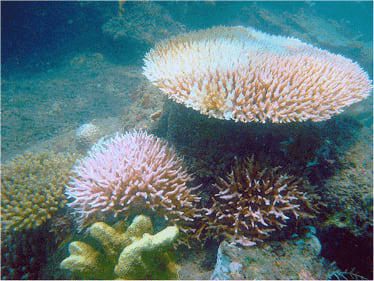
Stressed Coral Reefs in Bolinao, Philippines
Philippines
- #climate
- #plastic pollution
last update:
8 months ago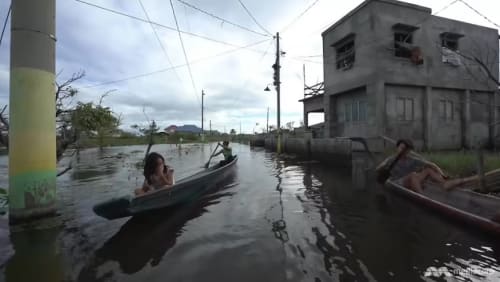
Manila in Philippines, the island's capital, is gradually sinking under the water
Philippines
- #climate
- #deforestation
last update:
last year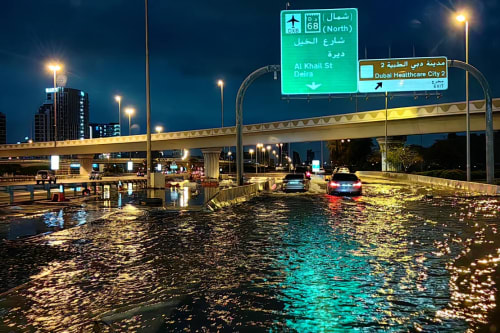
Floods in the United Arab Emirates
United Arab Emirates
- #floods
- #climate
last update:
last year
Rising sea levels threaten Seychelles
Seychelles
- #climate
- #ocean
last update:
2 years ago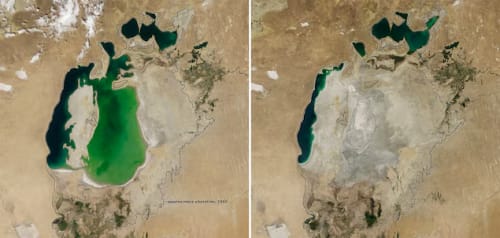
Drying up of the Aral Sea
Kazakhstan, Uzbekistan
- #drying
- #climate
last update:
2 years ago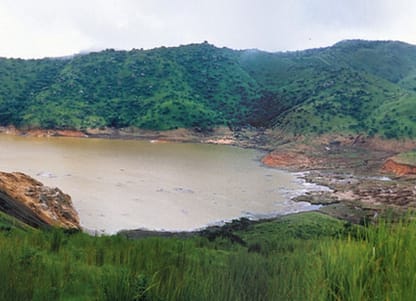
Environmental disaster at Lake Nyos in Cameroon
Cameroon
- #chemical pollution
- #climate
last update:
2 years ago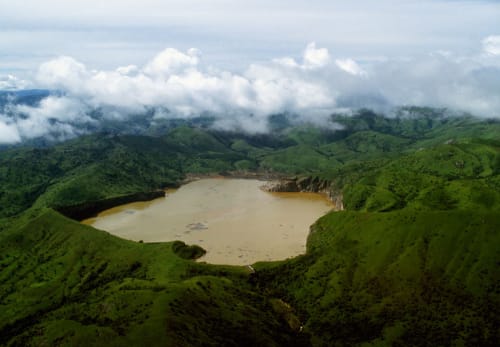
Lake Monoun disaster
Cameroon
- #climate
- #lakes
last update:
2 years ago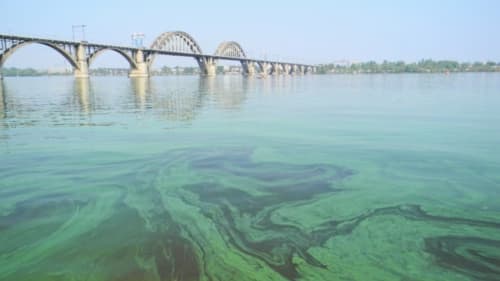
Water pollution in the Dnipro River, Ukraine
Ukraine
- #climate
- #rivers
last update:
2 years ago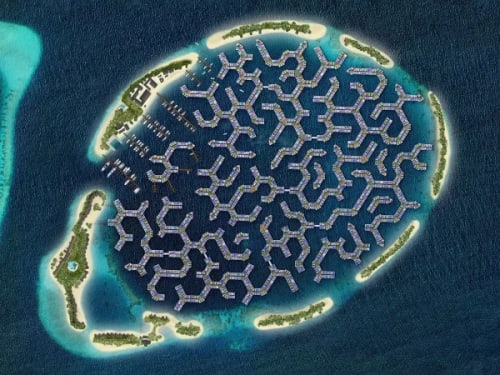
Sea level rise around the Maldives
Maldives
- #climate
- #sea level rise
last update:
2 years ago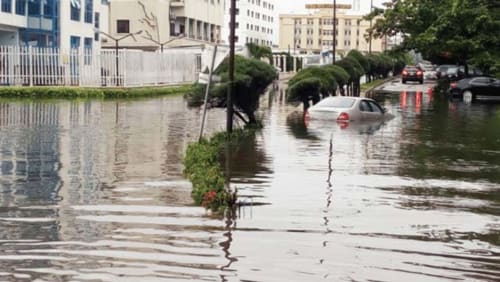
Lagos in Nigeria, Risks of Going Under Water
Nigeria
- #climate
- #sea level rise
last update:
2 years ago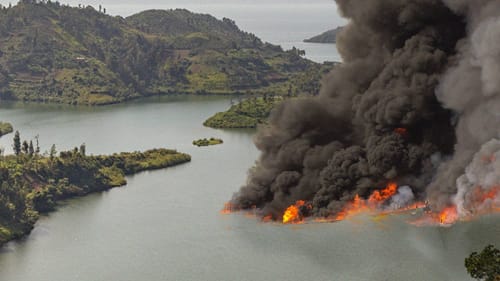
Methane emissions in the Lake Kivu, Central Africa
Democratic Republic of the Congo
- #climate
- #chemical pollution
last update:
2 years ago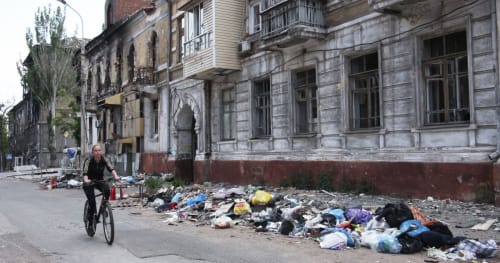
Mariupol is an ecological disaster zone
Ukraine
- #climate
- #toxic waste
last update:
2 years ago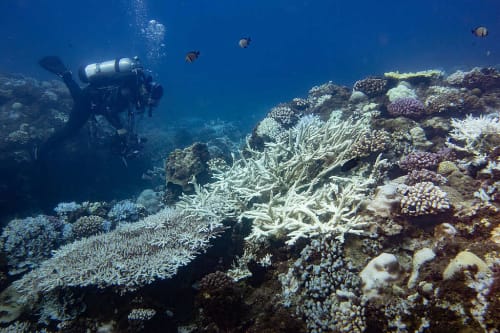
Coral bleaching in Taiwan
Taiwan
- #climate
- #ocean
last update:
2 years ago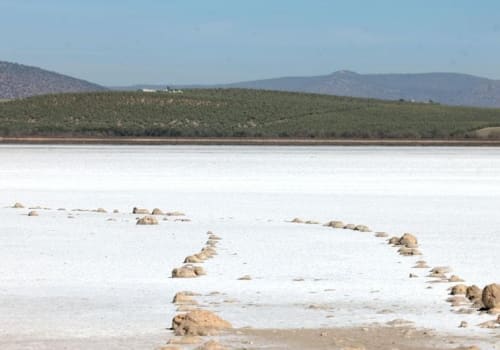
Dry up of Laguna de la Fuente de Piedra, Spain
Spain
- #drying
- #climate
last update:
2 years ago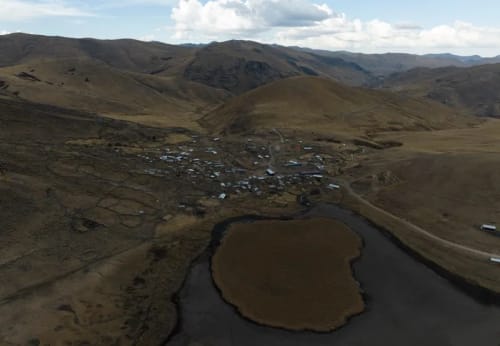
Cconchaccota lagoon dries up in southern Andes, Peru
Peru
- #drying
- #climate
last update:
2 years ago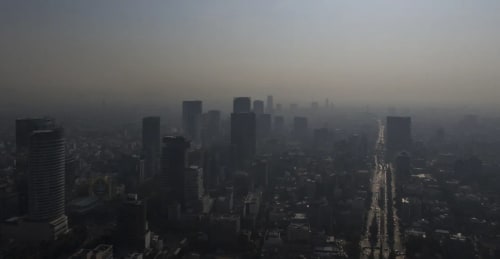
Air pollution from asparagus burning in Caborca, Mexico
Mexico
- #air
- #climate
last update:
2 years ago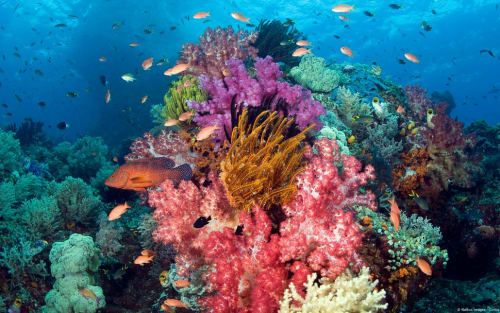
Coral reefs in the South Mascarene Islands are at risk
Mauritius
- #coral reefs
- #climate
last update:
2 years agoWhat are Climate HotSpots?
     The term climate hotspots can be defined as follows: these are the regions of the planet where climate change, global environmental problems, and global warming are most strongly felt.

     In addition to natural factors, global climatic conditions are increasingly influenced by human economic activity. This influence began to appear thousands of years ago when the development of agriculture in arid areas began to widely use artificial irrigation. The spread of agriculture in the forest zone also led to some changes in the climate, as it required the cutting of forests over large areas. In the second half of the 20th century, due to the rapid development of industry and the growth of energy equipment, there were threats of climate change throughout the planet. Modern scientific research has established that the impact of anthropogenic activity on the global climate is related to the action of several factors, of which the most important are:

● An increase in the amount of atmospheric carbon dioxide, as well as some other gases entering the atmosphere during economic activity, increases the greenhouse effect in the atmosphere;
● an increase in the mass of atmospheric aerosols;
● increase in the amount of thermal energy generated during economic activity and released into the atmosphere.
Why is it important to respond to climate change?
     In today's world, some places suffer the most from climate change, the so-called hotspots of climate. The human impact on the environment and the global climate change it brings are felt there more acutely than in other places. Some regions are experiencing drought, others unforeseen floods and storms, the northern regions are feeling global warming most acutely, and other regions are experiencing climate change through poverty and suffering. Nevertheless, the issue of climate change affects everyone on the planet and climate change effects can lead to environmental catastrophe in any part of the world.

     All of the above factors can have a catastrophic impact on human health, the economy, and society as a whole. The increasing frequency of droughts and the subsequent crisis of agriculture increase the threat of hunger and social stability in some regions of the world. Water supply difficulties in countries with warm climates stimulate the spread of tropical and subtropical diseases. As warming trends increase, weather patterns become more variable, and climatic disasters become more destructive. The damage caused by natural disasters to the world economy is increasing.

     As it turns out, climate change is happening much faster than scientists could have anticipated. That is why it is so important to respond quickly to the problem of climate change and to pay proper attention to the issue. It affects everyone, even if not everyone has experienced it yet.
What are the major types of physical evidence for climate change?
     The climate cannot change all over the planet in the same way, because different parts of the planet have different causes of climate change. However, there is a global warming trend across the planet. The question is what kind of changes this leads to in climate hotSpots.

     Global warming is strongly affecting the lives of some animals. For example, polar bears, seals, and penguins are forced to change their habitats as the polar ice is slowly disappearing. Many animal and plant species are on the verge of extinction because they have no time to adapt to the rapidly changing environment.

     Climate change is also manifested in the increased number of climatic cataclysms and floods because of hurricanes, desertification, and reduction of summer precipitation by 15-20% in the main agricultural areas, increase in sea level and temperature,and shift of borders of natural zones to the north. An increase in temperature by 1.5-4.5 degrees leads to a 40-120 cm rise in sea level. This means flooding many small islands and flooding in coastal areas.

     Moreover, according to some predictions, global warming will cause the onset of a Little Ice Age. In the 19th century, the cause of such cooling was a volcanic eruption; in our century the cause is different - desalination of the oceans as a result of melting glaciers.

     On humans, climate change manifests itself through a lack of drinking water, an increase in infectious diseases, problems in agriculture due to droughts, and an increase in deaths due to floods, hurricanes, heat, and drought. The worst hit is on the poorest countries, which are the least responsible for the worsening problem and the least prepared for climate change. Destruction of established and customary agricultural systems due to droughts, irregular precipitation, etc., is putting some 600 million people on the brink of starvation. By 2080, 1.8 billion people will face serious water shortages.

     Thus, Climate HotSpots are scattered all over the planet and it seems that the problem of global climate change does not affect humanity as a whole. However, this is wrong. All hotspots of climate are connected with other regions of the planet too. Therefore, climate change effects are a problem for everyone on the planet and it must be addressed now.