Create your custom sustainability policy in minutes — free for a limited time
Get Started →Search type
Countries
Fields
List of Waste HotSpots
55 Eco Hot Spots

Landfill Kuchino in Balashikha, Russia
Russian Federation
- #waste
last update:
last year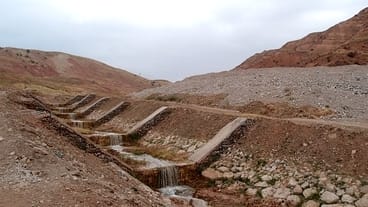
Groundwater pollution with radioactive waste in Mailuu-Suu, Kyrgyzstan
Kyrgyzstan
- #waste
- #rivers
last update:
last year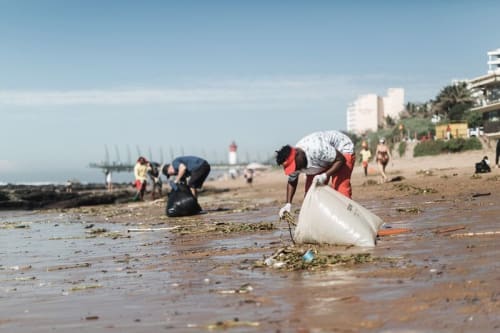
Sewage crisis in Durban, Republic of South Africa
South Africa
- #waste
- #rivers
last update:
last year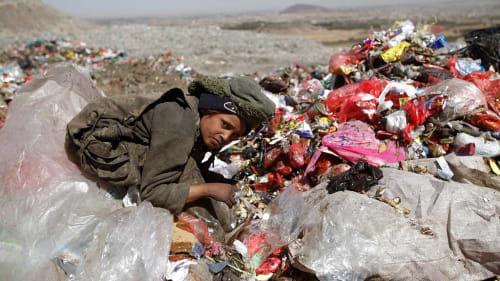
Medical waste crisis in Sanaa, Yemen
Yemen
- #waste
last update:
last year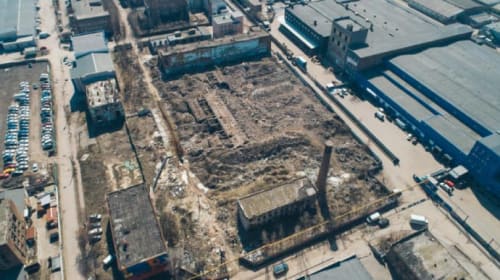
Chemical pollution by the Radykal plant
Ukraine
- #waste
last update:
last year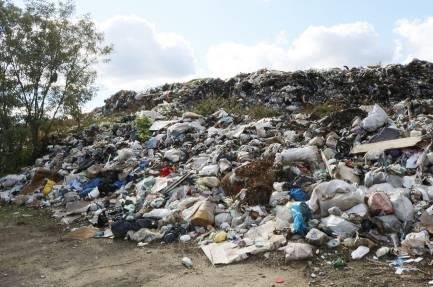
Waste dumping in Ghidighici Lake, Moldova
Moldova
- #waste
- #rivers
last update:
last year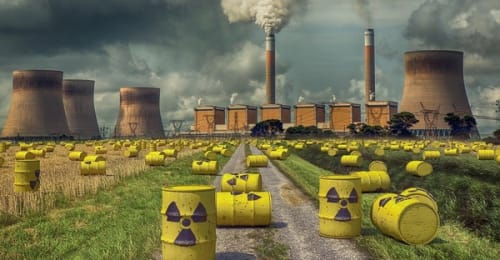
Uranium tails in Ural and Siberia
Russian Federation
- #waste
last update:
last year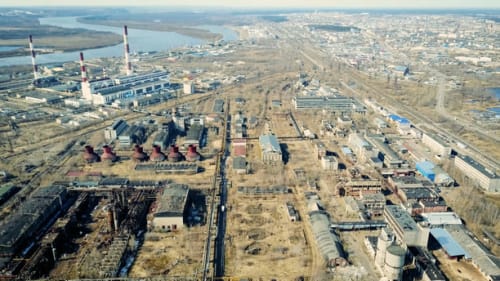
Chemical pollution in Dzerzhinsk, Russia
Russian Federation
- #chemical pollution
- #waste
last update:
last year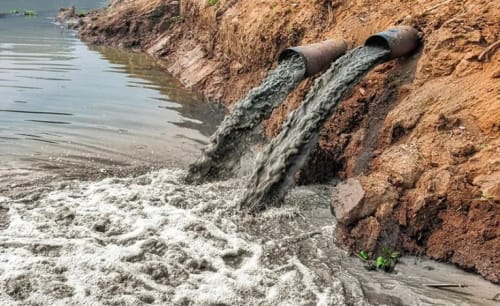
The pollution of Nigeria’s sacred Osun River
Nigeria
- #waste
- #rivers
last update:
last year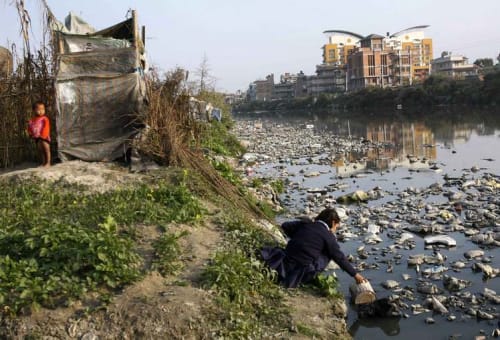
Sewage and rubbish choke Nepal’s holy Bagmati river
Nepal
- #waste
- #rivers
last update:
last year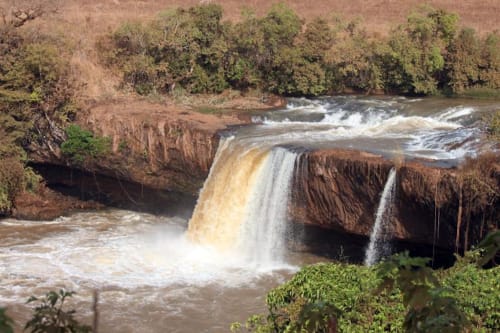
Pollution of Cameroon's water resources
Cameroon
- #toxic waste
- #waste
last update:
last year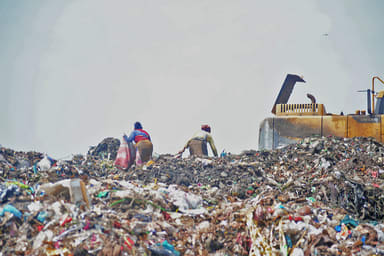
Landfills leach toxic waste into Dhaka's groundwater
Bangladesh
- #waste
- #toxic waste
last update:
2 years ago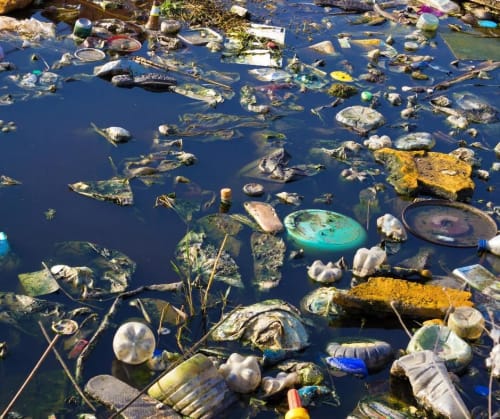
Pollution of the Prut River in Ukraine
Ukraine
- #rivers
- #waste
last update:
2 years ago
Radioactive waste in the Westlake Landfill
USA
- #waste
- #nuclear issues
last update:
2 years ago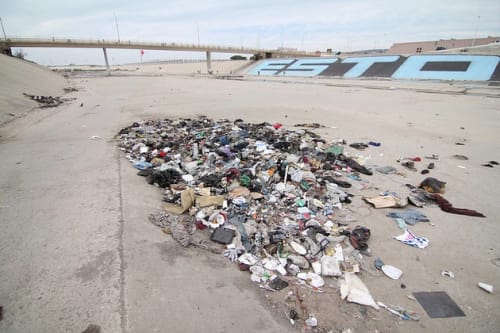
Tijuana River sewage crisis
USA, Mexico
- #rivers
- #sewage
last update:
2 years ago
Pollution from a Chinese-owned steel mill, in Serbia
Serbia
- #chemical pollution
- #waste
last update:
2 years ago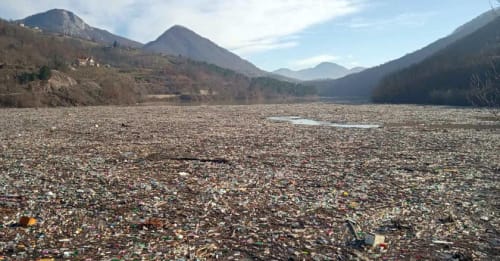
Pollution of the Lim River in Serbia
Serbia
- #rivers
- #waste
last update:
2 years ago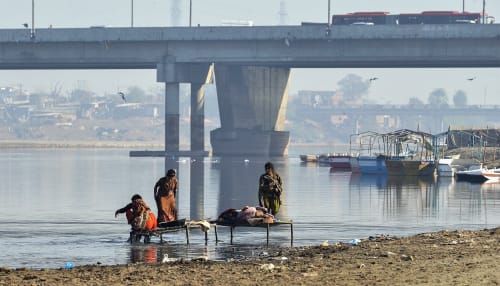
Water pollution caused by pharmaceuticals in the Ravi River, Pakistan
Pakistan
- #rivers
- #waste
last update:
2 years ago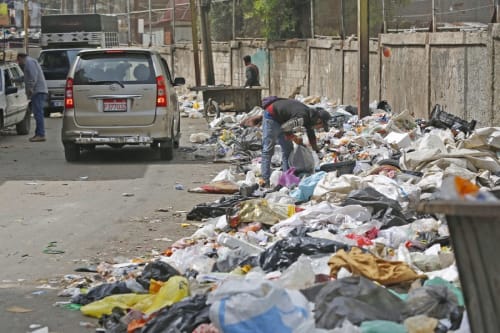
Waste management crisis in Beirut, Lebanon
Lebanon
- #waste
last update:
2 years ago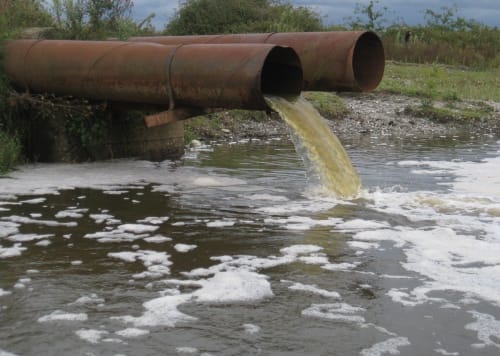
Fecal pollution of the Dniester River in Soroca, Moldova
Moldova
- #waste
last update:
2 years ago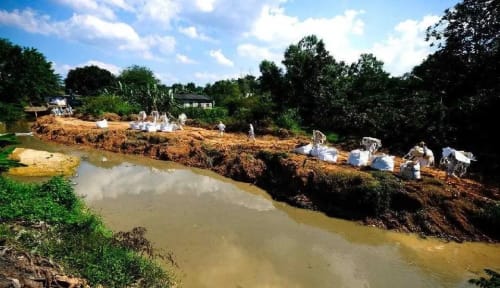
Dumping of toxic waste in the Kim Kim River, Malaysia
Malaysia
- #toxic waste
- #rivers
last update:
2 years ago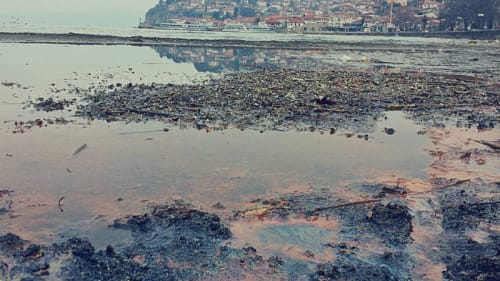
Pollution Lake Ohrid, Albania
Albania, Macedonia
- #waste
- #toxic waste
last update:
2 years ago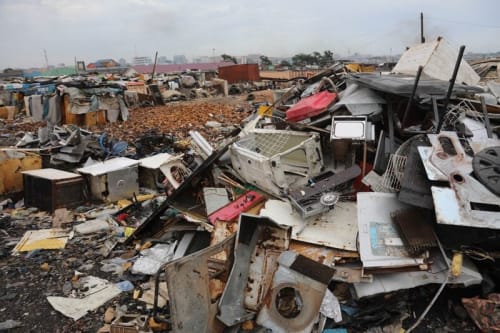
Toxic e-waste in Agbogbloshie, Ghana
Ghana
- #plastic pollution
- #toxic waste
last update:
2 years ago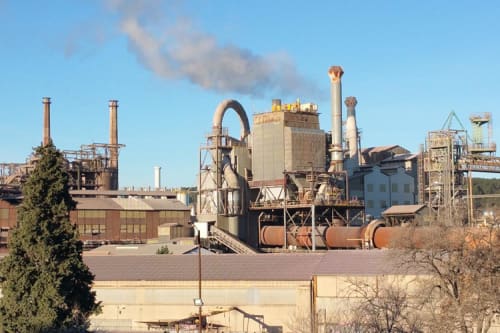
Waste discharge from the Alumina factory, France
France
- #waste
- #toxic waste
last update:
2 years ago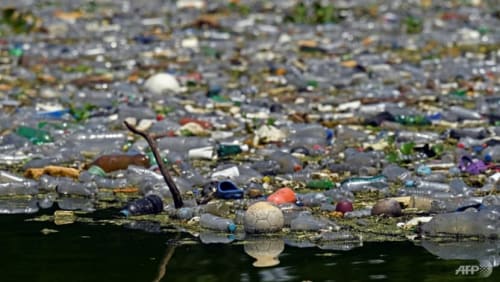
Plastic garbage covers Lake Suchitlan in El Salvador
El Salvador
- #waste
- #lakes
last update:
2 years agoWhat are Waste HotSpots?
     Waste hotspots are locations of waste pollution with a critical situation, disturbance of flora and fauna due to excessive accumulation of waste and waste products, which require attention and immediate response from ecologists and the public.

     Industrial waste is one of the major contemporary environmental problems, which poses a potential hazard to human health, as well as a danger to the natural environment. In many countries, there is still a problem of misunderstanding the seriousness of the problem of solid domestic waste, in connection with which there are no strict regulations, as well as the necessary regulations governing issues related to waste and garbage.

     The seriousness of the waste problem was not previously so prominent. Up to a certain point, nature has been able to cope with recycling itself, but the technical progress of mankind has played an important role in this point. New materials have emerged that can take hundreds of years to decompose or recycle naturally, and nature can no longer handle such anthropogenic loads.

     Modern incinerators and recycling plants with all their arsenal are a kind of a whole industry of recycling and disposal of municipal solid waste, but even their work often leads to new hotspots of waste, which arise from the products of heated waste
What are the causes of solid waste pollution?
     The problem of municipal solid waste is acute because its solution is associated with the need to ensure normal life activities of the population, sanitary cleaning of cities, environmental protection, and resource conservation. None of the currently used methods of waste collection and disposal is fully satisfactory either in terms of sanitary and hygienic or in terms of technical and economic indicators.

     Waste continues to be treated as unwanted materials, and the main concern of many people is how best to "hide" waste out of sight. Meanwhile, waste was still yesterday an element of nature, and the first goal in dealing with it should be to recover resources and put them into economic circulation to obtain the materials we need while minimizing the handling of waste to nature. Major causes of solid waste pollution include:

1. Lack of a sufficient number of centralized collection, recycling, neutralization, and disposal points for the types of waste that are generated at almost all enterprises.
2. Storage sites for toxic waste at enterprises often do not meet environmental requirements, which leads to a tense situation and contributes to their entry into unauthorized landfills and other unsuitable places.
3. The main mass of waste is sent to dumps, waste heaps, slime and tailing pits, dumps, landfills, and other accumulators, of which there is a great number. For these accumulators, considerable areas of land are alienated, and also in the major part of them, reliable isolation of the environment from pollution is not ensured.
4. Large-sized and construction waste is collected in the same container sites. The collection of solid waste produced by institutions and organizations is mainly carried out by the organizations themselves. Large and medium-sized organizations have containers provided by a specialized organization and contracts with the appropriate organization for waste removal. Management companies, which are responsible for the removal of household waste, along with specialized organizations, do not cope with their task of waste removal.
What are the effects of waste pollution?
     The accumulation of waste in landfills and dumps increases pollution of the atmosphere, soil, groundwater, and surface water bodies disrupts the functioning of ecosystems, and damages agriculture and construction (because it is accompanied by the withdrawal of land from economic turnover). In addition, landfill gas emissions harm climate change.

     Pollutants in soil from industrial sources and improper disposal of solid household waste endanger animals and plants. Soil contaminated with chemicals eventually becomes infertile and unable to support crops and other plant life. This hinders food production and can lead to starvation. If soil contaminants contaminate food, anyone who eats it can get sick. Toxic soil can also cause illness through skin contact or inhalation.

     Toxic substances that find themselves in landfills seep into the groundwater, which is often used as a source of drinking water, are blown by the winds in the area, and damage the environment. In addition, airless decomposition processes produce a variety of gases that also do not freshen the atmosphere around the landfill. Some of these decomposition products are capable of igniting, so fires regularly break out in landfills, releasing phenol, benzopyrene, and other toxic substances into the atmosphere. Groundwater contamination can cause damage to the ecosystem. One such change is the loss of certain nutrients necessary for an ecosystem to be self-sustaining. In addition, when contaminants interact with bodies of water, the aquatic ecosystem can be altered. As a result of too many toxins in water bodies, aquatic species such as fish can quickly die.

     The problem of garbage and waste has reached global proportions. However, eco-specialists find waste pollution solutions. To significantly improve the situation, everyone can collect, sort garbage, and deliver it to special collection points. In addition, you can find a new use for old things, and it will be the best solution to this problem.